Coffee Shop

Vietnamese Coffee Exporter
What Is Coffee Crema Things You Need To KnowCoffee Shop

What Is Coffee Crema? Things You Need To Know

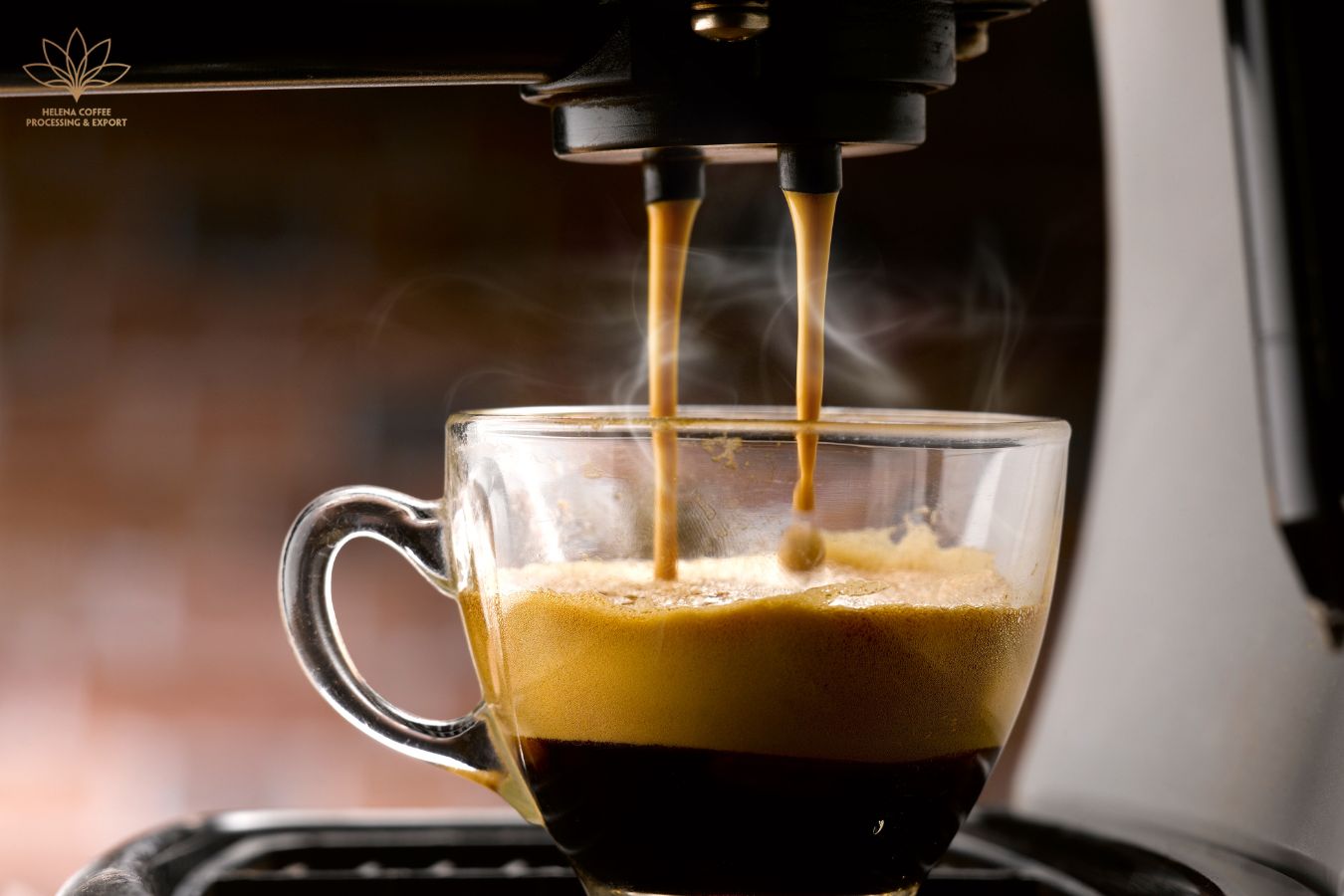
What is Coffee Crema? Things you need to know -  There have been numerous studies on how external elements affect a customer's impression or experience of a cup of coffee.We know, for example, that the information consumers acquire before consuming a product impacts their expectations and, as a result, how they perceive the product's quality (Siegrist and Cousin, 2009; Lange et al., 2002). Sa'enz-Navajas et al. (2013) found that a consumer's level of expertise influences their quality judgments.Furthermore, when it …
The Crema Stabilization ChemistryCoffee Shop

The Crema Stabilization Chemistry

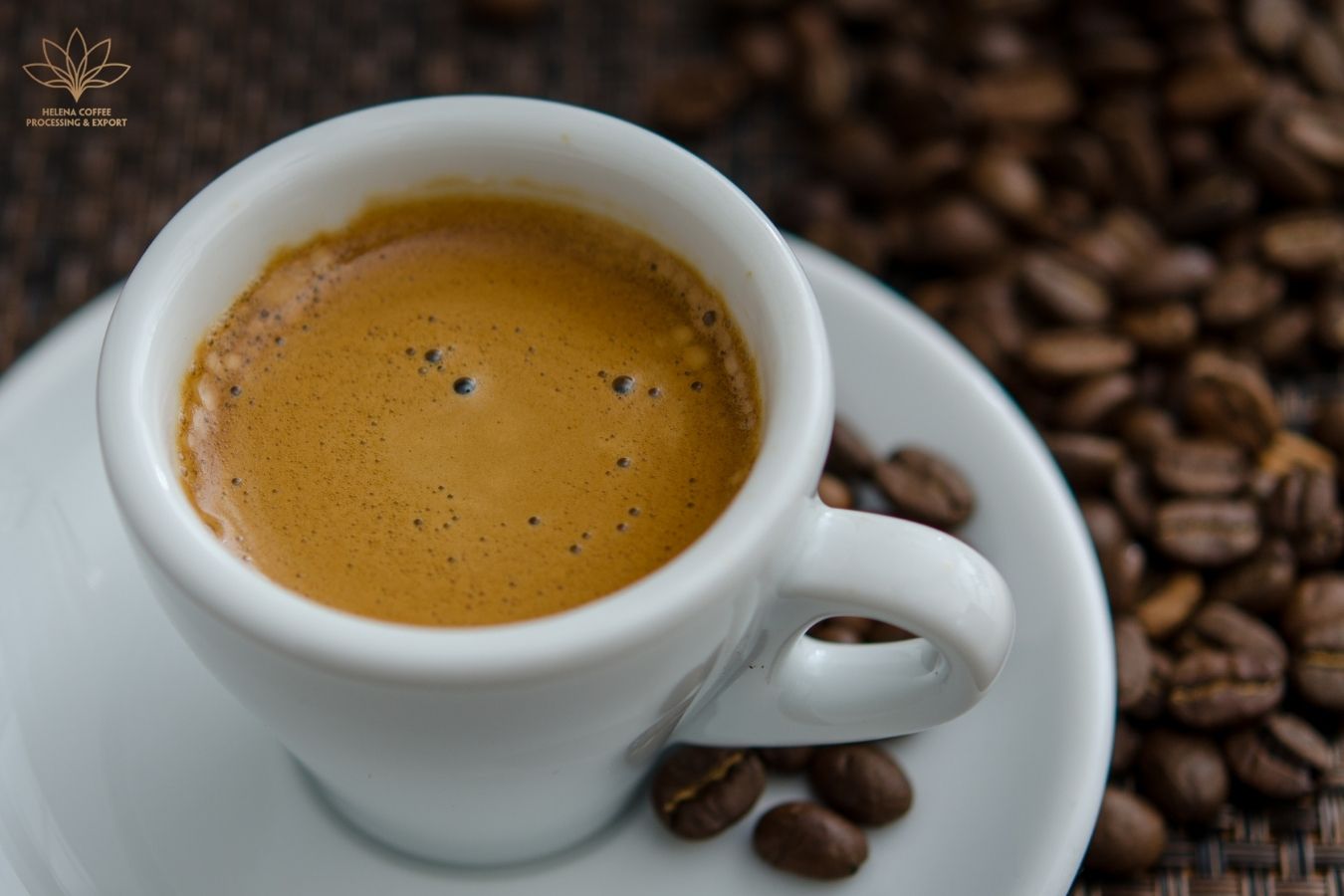
The Crema Stabilization Chemistry -  So yet, no comprehensive research on the chemical ingredients responsible for the creation and stabilization of espresso crema has been published.Nunes et al. (1997) discovered that foamability increased linearly with a roasting degree. They also found a link between the amount of protein in the infusion and the outcome.The amount of the polysaccharides galactomannan and arabinogalactan in espresso coffee was found to be related to foam stability. Total solids, pH, lipids, protein, and carbohydrate content …
Effect Of Water Composition On Coffee ExtractCoffee Shop

Effect Of Water Composition On Coffee Extract

Effect Of Water Composition On Coffee Extract - When making coffee, people often only pay attention to factors such as coffee powder, pressure, and temperature ... but forget the critical role of water in coffee extraction.Water makes up 98-99% of a cup of coffee; the type of water and the ingredients in the water are the determining factors for the taste of the cup. Therefore, to create a cup of coffee with a delicious taste, it is essential to understand …
Water Composition In CoffeeCoffee Shop

Water Composition In Coffee

Water Composition In Coffee - Groundwater with an average residence duration of months to years has a much lower mineral concentration than tap water from a lake or re-infiltrated from a river.Furthermore, carbonate-bearing bedrock has a higher mineral richness than silicate-bearing bedrock. For example, the mineral concentration of groundwater in Switzerland’s Central Plateau (fine sediments rich in carbonates) is approximately five times higher than in the central and southern Alps (crystalline rock dissolves more slowly and contains little carbonates). Alkalinity Now that …
Sensory Science And Coffee ConsumptionCoffee Shop

Sensory Science And Coffee Consumption

Sensory Science And Coffee Consumption - As discussed in Section 4 of this chapter, specialists are better at describing products than consumers, though the difference is insignificant.Their quality standards and personal preferences can sometimes sway experts. As a result, experts disagree about what constitutes quality and are frequently separated from customer motives and intentions.In the coffee industry, sensory and consumer science has become the go-between between coffee professionals and consumers. It's assisting in the shift from "follow me, I'm the …
Physicochemical Characteristics Of WaterCoffee Shop

Physicochemical Characteristics Of Water

Physicochemical Characteristics Of Water - Water is a molecule made up of one oxygen and two differentially charged hydrogen atoms (H2O), resulting in an unequal distribution of electrical charge (see Fig. 16.1), which is known as polarity.Water is an excellent solvent for polar substances due to its polar nature, as seen during coffee extraction. It, on the other hand, barely dissolves nonpolar molecules like oils and fats, which account for more than 10% of the weight of roasted coffee.The solubility …
Stability And Crema FormationCoffee Shop

Stability And Crema Formation

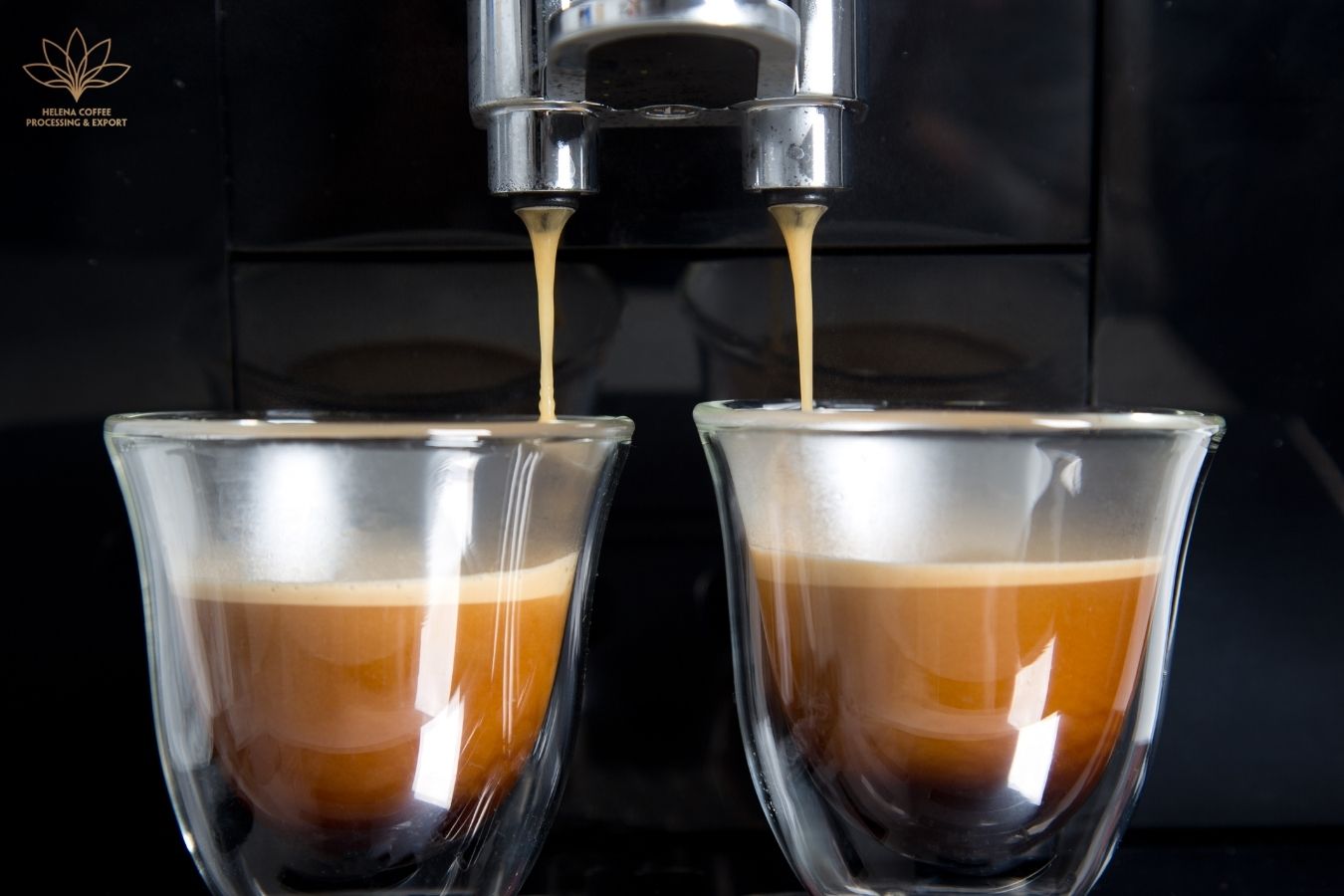
Stability And Crema Formation - Espresso is a complex drink characterized by a layer of crema. For some, the crema in coffee is seen as a fundamental part of espresso. For others, it is seen as an unnecessary byproduct of the extraction process. Stability And Crema Formation?Foam is a complicated and challenging process that involves four main events: bubble production, bubble rise, drainage, and coalescence and disproportionation (Bamforth, 2004). Foam is a coarse dispersion of gas bubbles in a continuous liquid …
The ConsumersCoffee Shop

The Consumers

The Consumers - Consumers perceive coffee in a very different way than professionals. Coffee is a daily beverage for them (rather than a luxury or unique occasion beverage), and most coffee drinkers start their day with it.During meetings and when friends "get together for coffee," it is usually served to groups. Some individuals drink coffee because it gives them energy, while others are caffeine sensitive or prefer to avoid it. Thus they choose decaffeinated coffee.On the other hand, the growth …
Formation, Stabilization, and Sensation of CremadCoffee Shop

Formation, Stabilization, and Sensation of Cremad

The Formation, Stabilization, and Sensation of Cremated? - Espresso accounts for a significant portion of today's coffee consumption. When comparing espresso coffee to other types of coffee, one of the most distinguishing features is a deep brown layer of foam bubbles, also known as crema, that covers the liquid coffee (Illy and Viani, 2005).Coffee specialists use the crema to assess extraction quality. Crema, for example, reveals whether all extraction parameters, including degassing, grinding, tempering, and water pressure, were perfect when …
Coffee Origins HaitCoffee Shop

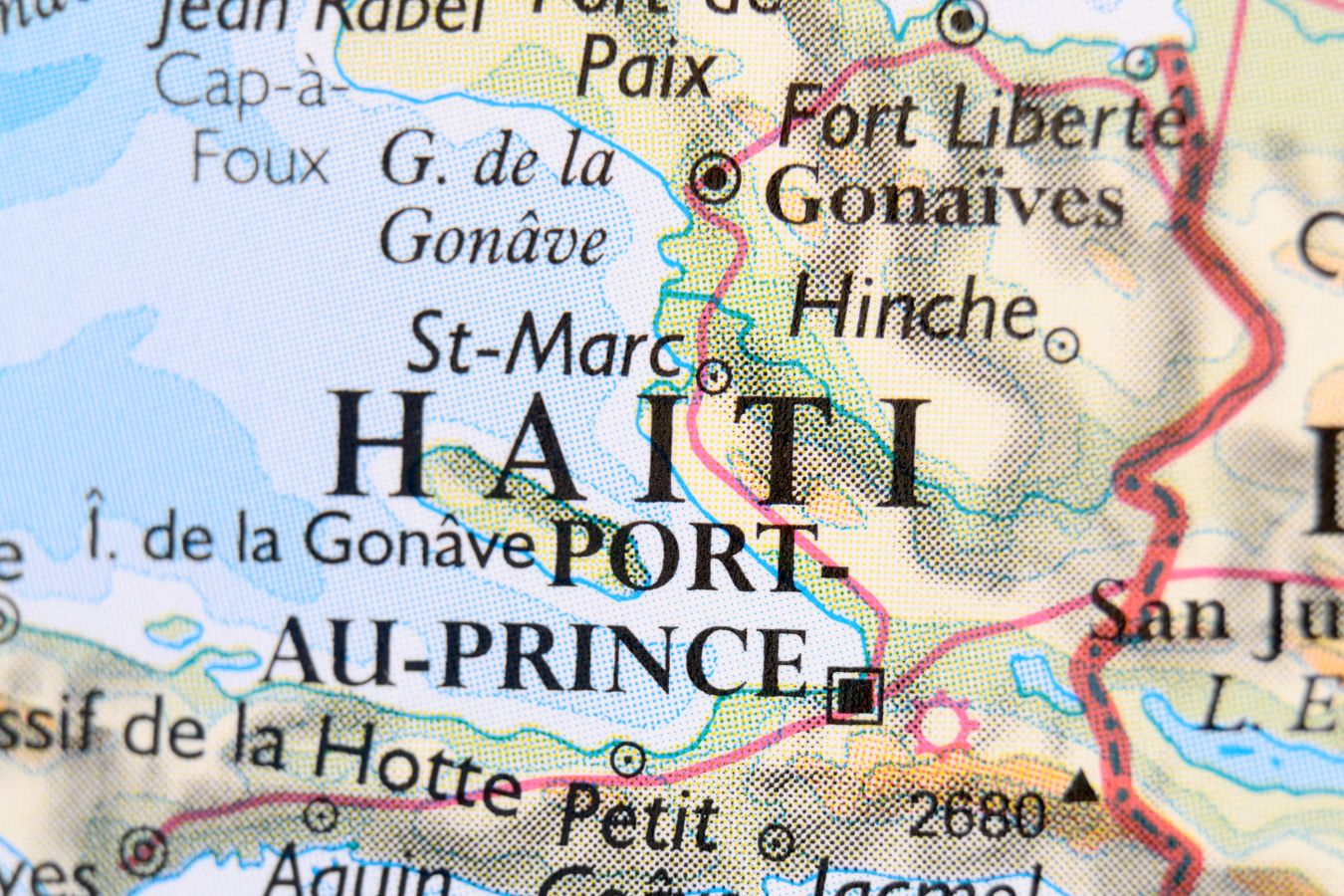
Coffee Origins: Haiti

Coffee Origins: Haiti - Coffee was most likely brought to Haiti from the island of Martinique around 1725 when it was still a French possession.The first coffee plantations were most likely in the Terroir Rouge area of the country's northeast; ten years later, another coffee plantation arose in the mountains of Haiti's north.Coffee production on the island grew fast, and according to some accounts, Haiti produced between fifty and sixty percent of the world's coffee between 1750 and …
Coffee Origins: PeruCoffee Shop

Coffee Origins: Peru

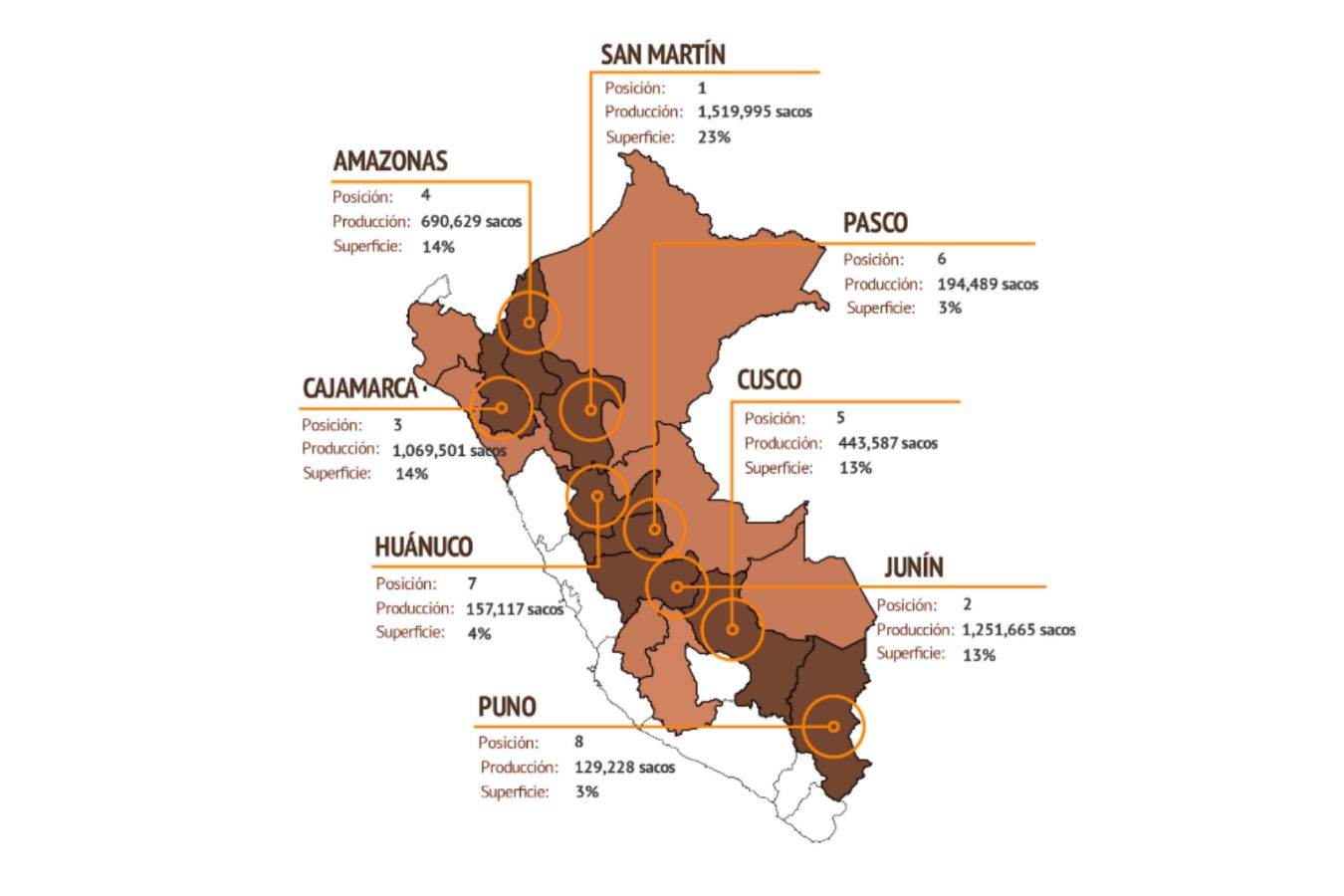
Coffee Origins: Peru - Coffee was brought to Peru for the first time between 1740 and 1760 when the Viceroyalty of Peru encompassed a bigger area than it does today.Despite the fact that the environment was ideal for large-scale coffee cultivation, the first hundred years or so of coffee production were consumed locally. The first coffee exports to Germany and England were not until 1887.The Peruvian government defaulted on a loan from the British government in the 1900s, and as …
Coffee Origins VenezuelaCoffee Shop

Coffee Origins: Venezuela

Coffee Origins: Venezuela - In roughly 1730, a Jesuit priest called José Gumilla is credited with introducing coffee to Venezuela. Venezuela became recognized for its slave-run tobacco and cocoa plantations, and there is evidence of significant coffee plantations dating back to around 1793.From around 1800, coffee took an increasingly important role in the economy. During the Venezuelan War of Independence, from 1811 to 1823, cacao production began to drop, but coffee production surged.The first boom in the country’s coffee industry …