Compounds in coffee

Vietnamese Coffee Exporter
Biochemical Basis Of Coffee FermentationCoffee Shop

Biochemical Basis Of Coffee Fermentation

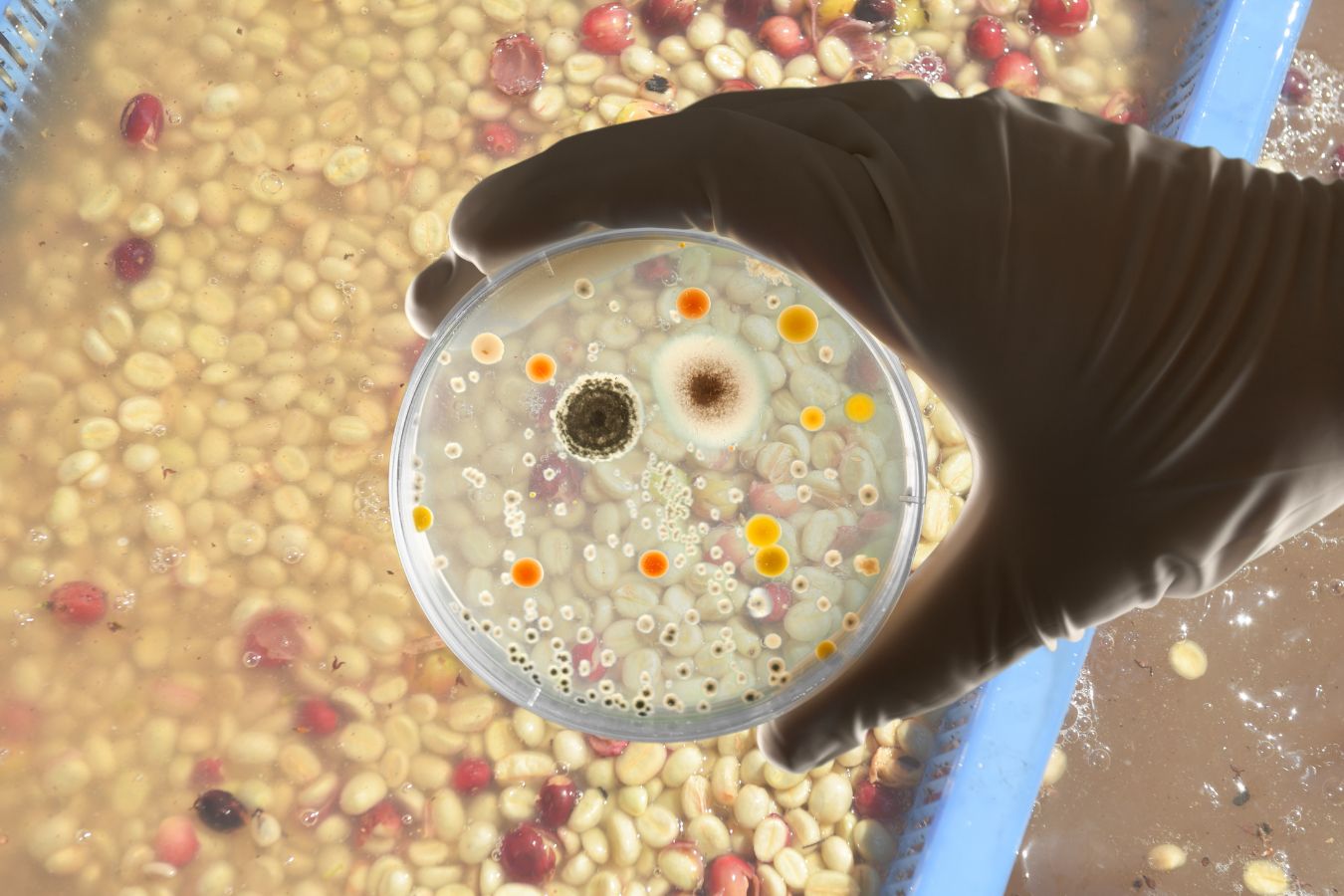
Biochemical Basis Of Coffee Fermentation -  It can be said that fermentation is involved in producing most of the world's coffee, but the coffee itself is not a fermented beverage like beer, wine, or kombucha. Instead, when we talk about coffee fermentation, we are referring to what the coffee berry has to go through from when it is harvested until its beans are completely dried and ready to go. roasting and grinding.[caption id="" align="aligncenter" width="1920"] After fermentation, the coffee processing can …

Quinic AcidCompounds in coffee

Quinic Acid

Quinic Acid (QA) change in coffee. Quinic Acid is a type of acid that is found in.Together with citric and malic acids, QA makes up a large part of pure coffee's overall acid composition. QA levels gradually increased while chlorogenic acid levels declined during roasting, indicating that QA is generated via chlorogenic acid cleavage.The concentration of QA peaks at a French (dark) roast and then steadily declines as the roast progresses. When this happens, the actual temperature data is not …
Chlorogenic AcidCompounds in coffee

Chlorogenic Acid – Definition in the Coffee Dictionary

Chlorogenic Acid - Coffee contains chlorogenic Acid. Chlorogenic Acid is a type of chlorogenic acid that is found.It (CGA) is a comprehensive set of esterified chemicals found in green and roasted coffee that was discovered in 1932. CGA is progressively broken down during roasting to generate caffeine and quinic Acid, with around half of the original CGA being broken down at medium roasts.Coffee contains it. Quinic Acid and caffeine are linked to heightened bitterness and bold texture, both of which …
Acid CitricCompounds in coffee

Acid Citric – Definition in the Coffee Dictionary

Acid Citric or Citric Acid (CA), a prominent type of acid, is widely used and plays a critical role in the metabolism of plants, along with other life forms. In the context of coffee, particularly green coffee, citric acid contributes significantly to the total acidity. This, in turn, plays a key role in shaping the final taste of the coffee, giving it a sharp and distinctive edge. CITRIC ACID The concentration of citric acid in coffee beans is subject to change during …
Photphoric AcidCompounds in coffee

Photphoric Acid

Phosphoric acid - There are around thirty organic acids in coffee, with citric, malic, acetic, quinic, and other acids among the most frequent. However, another type of acid, inorganic acids, has gained a lot of attention, and phosphoric acid is one of the most important.Phosphoric acid is generated by the hydrolysis of phytic acid from the soil and makes up less than 1% of the dry matter of coffee. However, phosphoric is the most powerful and can easily be 100 …
Acetic acidCompounds in coffee

Acetic acid

Acetic acid is a kind of acetic acid. Acetic acid, sometimes known as vinegar, is one of several organic acids that contribute to the overall quality of pure coffee. However, there are differences between wet and dry-processed coffees. Fermentation is the primary source of acetic acid produced during post-harvest processing.Microorganisms in the mucilage use sugars to create acetic acid and other chemicals during wet processing.However, its levels rise dramatically during roasting because carbohydrate chains like sucrose are broken, resulting in …