Pulped natural coffee – what exactly does that mean, and how does it influence the coffee in your cup?
If this unique processing method seems a bit puzzling, you’re not alone. We’re here to break it down for you. In this guide, we’ll explore what pulped natural coffee is, the distinct flavor profiles it offers, and how it stacks up against other processing methods. Read on to uncover the journey your pulped natural coffee takes from cherry to cup.
Main Contents
ToggleCoffee Processing: Understanding Pulped Natural Coffee
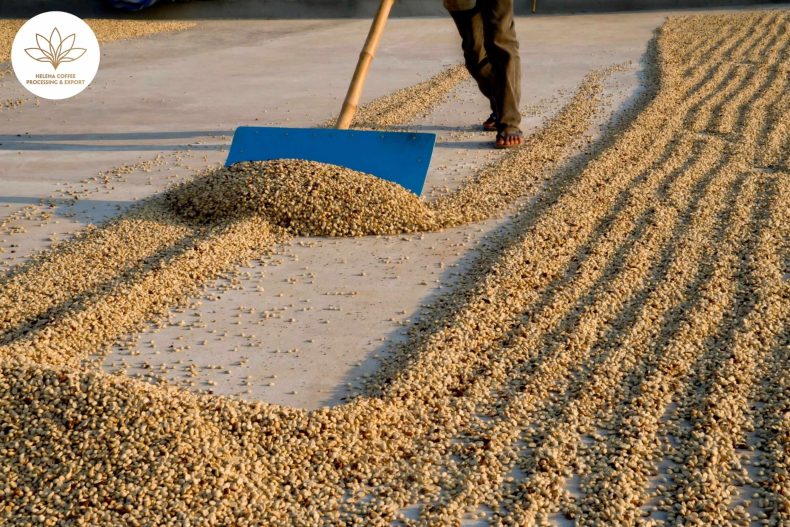
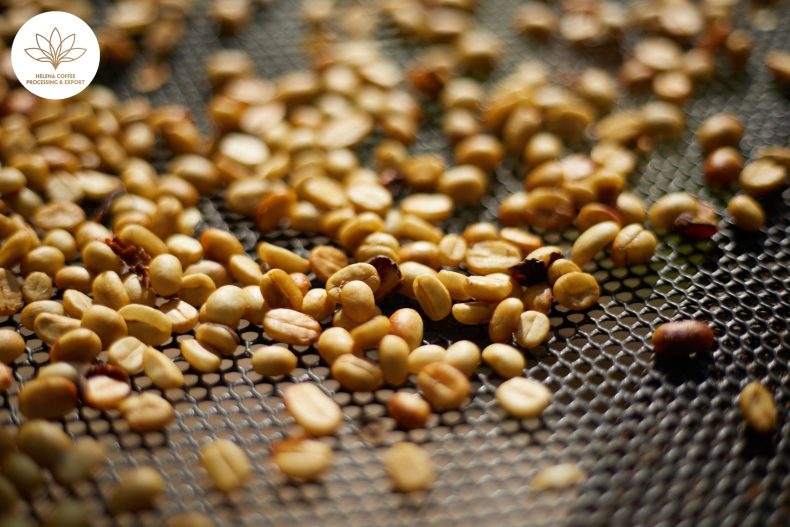
Let’s start with the basics. Pulped natural coffee, a method first developed in Brazil about twenty years ago, was originally known as Cereja Descascada, or “peeled cherry.” This name comes from the process of removing the outer skin of the coffee cherry while leaving most of the pulp intact to dry along with the beans.
This method serves as a balance between two primary coffee processing techniques: dry and wet. In the dry (or natural) process, the beans are dried inside the whole cherry, while in the wet (or washed) process, both the skin and pulp are completely removed before drying begins. Pulped natural coffee lands somewhere in between—only the peel is removed, leaving the pulp to impact flavor and texture during the drying phase.
There are other coffee processing methods that can be seen as variations of pulped natural, such as the honey process (particularly the red honey process) and semi-washed or semi-dried processes. These involve removing a portion of the pulp before drying. The key distinction between these techniques is how much mucilage (the mesocarp layer) is left on the beans. In pulped natural coffee, only the outer peel is discarded, making it a unique and flavorful approach to coffee processing.
Coffee Processing: The Flavor and Comparison of Pulped Natural Coffee
Now that we’ve covered the science, let’s dive into the more exciting part: how does pulped natural coffee taste?
According to Ana Paula Scanavachi, a Brazilian agricultural expert and coffee producer, this coffee processing method focuses on selecting ripe cherries to enhance the natural sweetness of the beans. The result is a consistently aromatic and high-quality cup of coffee.
From a production standpoint, pulped natural coffee offers some cost benefits—less drying space is needed on patios and in drying machines. However, producers must invest in advanced equipment for drying, storage, wet processing, and wastewater treatment.
Coffee Processing: How Does It Compare?
One major advantage of this method is that by removing underripe and green beans, you improve cup quality and reduce defects. However, compared to the natural process, pulped natural coffee is more costly and demands more water.
Flavor Profile: Pulped natural coffee combines the body of naturally processed beans with the sweetness and acidity of washed coffees.
Ideal Conditions: This method is well-suited for regions with low humidity, where the mucilage-covered coffee can dry quickly without the risk of fermentation.
Pros: It yields a premium product that commands higher prices, requires fewer laborers, and produces a consistently sweet and aromatic cup.
Cons: The process involves higher expenses due to costly machinery and the increased use of water and energy. After the harvest, producers can cut costs as the coffee needs less space, both on the patios and in the drying machines. However, they also have to invest in equipment that will improve drying, storage and processing operations, treat wastewater, and be used for wet processing.
In short, pulped natural coffee represents a carefully crafted coffee processing method, resulting in a sweet and aromatic brew that reflects the care and dedication of the farmers. So, the next time you see it on a label, you’ll know you’re in for a treat!