In recent years, Coffee Fermentation has become one of the hottest topics in specialty coffee. Terms such as Anaerobic Fermentation, Carbonic Maceration, and Co-Fermentation frequently appear in coffee competitions, cafés, and green coffee auctions. For many coffee drinkers, it may seem as though fermentation only entered the coffee world after these innovative processing methods became popular.
However, the truth is far more fascinating. Coffee fermentation has always existed. Long before controlled fermentation techniques attracted global attention, traditional Natural (Dry) Process coffees were already undergoing extended fermentation during drying.
The real innovation today is not the existence of fermentation itself but our growing ability to understand, measure, and control it.
Coffee Fermentation Has Always Been Part of Coffee Processing
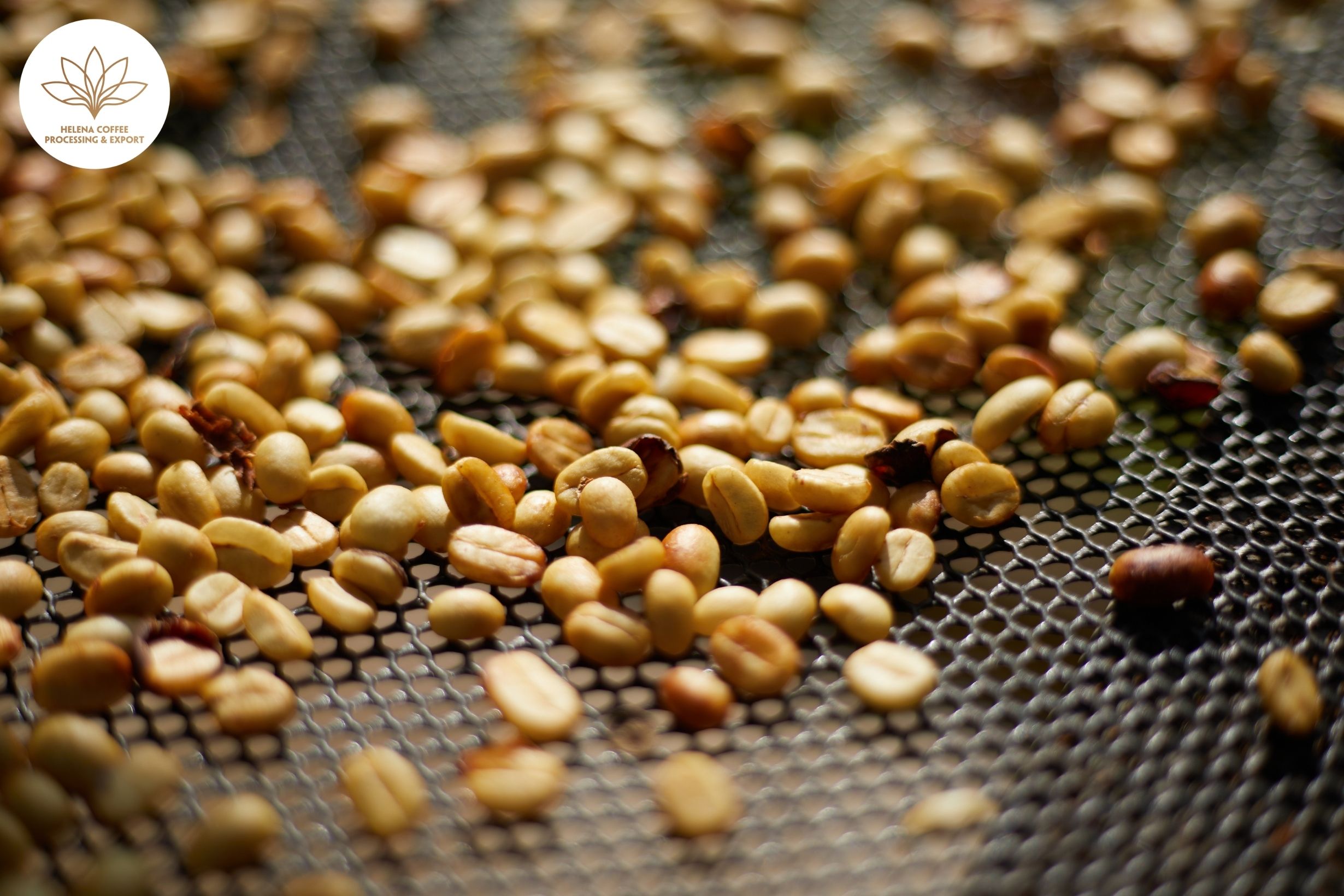
Every coffee cherry is a living biological system. After harvesting, enzymes continue working inside the fruit while naturally occurring microorganisms including yeasts, bacteria, and fungi begin consuming sugars found in the mucilage surrounding the beans. This biological activity is known as coffee fermentation.
The duration and intensity of fermentation depend on several factors:
- Temperature
- Humidity
- Oxygen availability
- Microbial populations
- Processing method
- Drying speed
Rather than being an optional step, fermentation is a natural consequence of processing coffee cherries.

Natural Processing Is Already a Long Fermentation Process
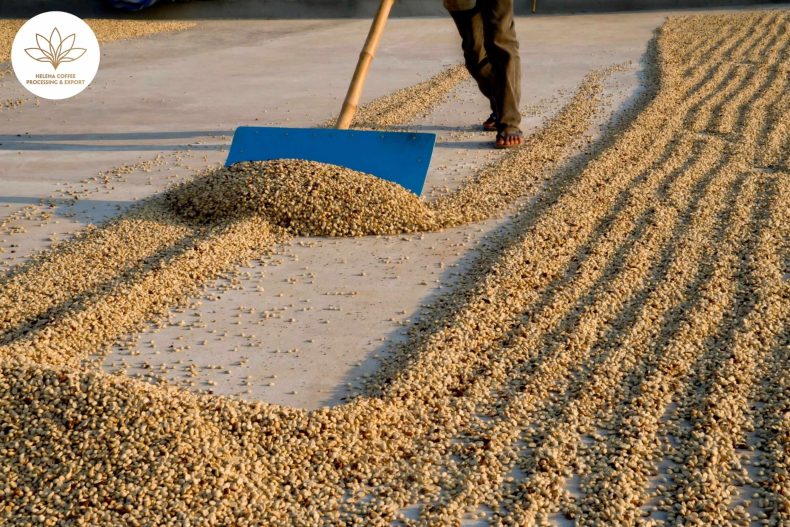
One of the biggest misconceptions in specialty coffee is that Natural Process coffee is simply “sun-dried.” In reality, Natural Processing is also an extended fermentation process.
Unlike washed coffee, where the fruit is removed relatively quickly, natural coffee dries with the entire cherry intact. During this slow drying period, microorganisms remain active for days or even weeks.
Recent scientific studies have shown that microbial activity continues throughout drying, producing numerous biochemical compounds that influence cup quality.
According to Lee et al. (2015) and De Bruyn et al. (2017), prolonged microbial activity during dry processing contributes significantly to:
- Higher sweetness
- Increased fruit complexity
- More intense berry flavors
- Enhanced body
- Greater aromatic diversity
This explains why well-produced natural coffees often display vibrant tropical fruit, wine-like acidity, and syrupy sweetness. Fermentation was always happening. We simply didn’t describe it that way.
Coffee Fermentation Is More Than Microbes
During fermentation, microorganisms transform sugars into hundreds of volatile compounds. These compounds later become important aroma precursors during roasting.
Research has identified the formation of:
- Esters
- Alcohols
- Organic acids
- Aldehydes
- Ketones
- Lactones
Many of these molecules contribute pleasant sensory notes including:
- Strawberry
- Pineapple
- Mango
- Chocolate
- Floral aromas
- Caramel
- Wine-like complexity
According to research published by De Bruyn et al. (2017), over 80 microbial species have been identified participating in coffee fermentation depending on origin, climate, and processing conditions. Each microbial community creates slightly different flavor outcomes.
So What Makes Controlled Coffee Fermentation Different?
If Natural Process already involves fermentation, why has Anaerobic Fermentation become so revolutionary?
The answer is surprisingly simple: Control.
Traditional Natural Processing allows indigenous microorganisms and environmental conditions to guide fermentation with relatively little intervention. Controlled fermentation changes this entirely.
Instead of allowing nature to dictate the process, producers intentionally manage critical variables such as:
- Oxygen concentration
- Temperature
- Fermentation time
- Pressure
- Microbial activity
- pH
- Sugar availability
This enables producers to reproduce desirable flavor profiles with much greater consistency.
Anaerobic Fermentation
Anaerobic fermentation places coffee cherries or depulped beans inside sealed tanks with limited oxygen. By restricting oxygen, producers encourage different microbial populations to dominate the fermentation.
The result often includes:
- Tropical fruit
- Yogurt-like acidity
- Floral aromas
- Creamier mouthfeel
- Greater sweetness
Because oxygen is carefully controlled, fermentation becomes more predictable than traditional natural processing.
Carbonic Maceration
Borrowed from the wine industry, Carbonic Maceration introduces carbon dioxide into sealed fermentation tanks. Instead of relying solely on external microorganisms, intracellular fermentation begins inside the intact coffee cherries themselves.
This technique often produces exceptionally aromatic coffees with notes such as: cherry, raspberry, rose, bubblegum, red fruits. Although visually similar to anaerobic processing, the underlying biological mechanisms differ significantly.
Co-Fermentation Pushes Flavor Even Further
Among modern processing innovations, Co-Fermentation remains one of the most debated. Rather than relying exclusively on the coffee cherry’s own sugars, producers introduce additional ingredients during fermentation.
These may include: tropical fruits, citrus, cinnamon, cocoa, herbs and selected yeast cultures
These added substrates create flavor combinations that conventional coffee processing would rarely produce naturally. Some co-fermented coffees display remarkably intense notes resembling: passion fruit, lychee, watermelon, vanilla, peach candy, coconut
Supporters view Co-Fermentation as an exciting frontier for specialty coffee. Critics argue that these flavors may overshadow terroir and varietal identity.
Coffee Fermentation Is About Precision, Not Trend
The growing popularity of coffee fermentation reflects broader developments across the specialty coffee industry.
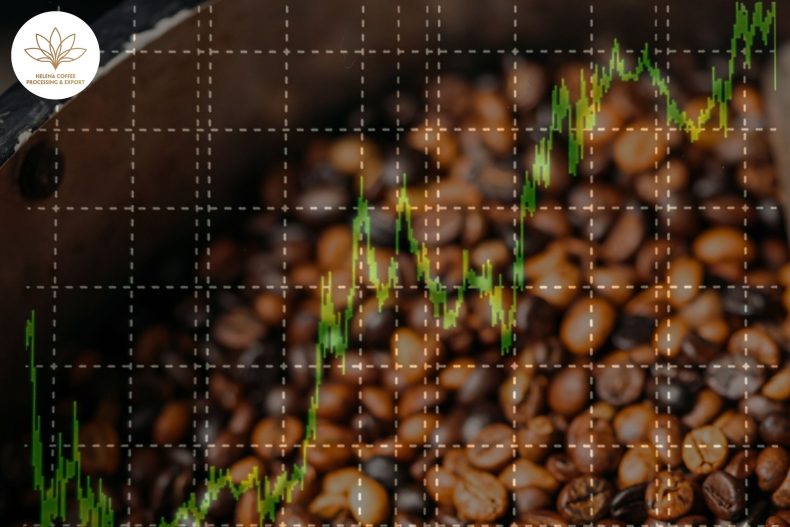
Controlled fermentation enables producers to command higher prices for exceptional lots while creating unique sensory profiles for competitive markets. However, success depends on scientific precision.
Poorly managed fermentation can easily generate undesirable defects including:
- Vinegar
- Rotten fruit
- Overripe flavors
- Mold
- Phenolic notes
- Excessive acetic acidity
The difference between outstanding coffee and defective coffee often comes down to careful fermentation management.

Does Processing Replace Terroir?
Perhaps the biggest debate surrounding Coffee Fermentation is philosophical rather than technical.
Traditionally, specialty coffee has celebrated:
- Origin
- Variety
- Elevation
- Climate
- Soil
- Farming practices
These elements define terroir. Controlled fermentation introduces another powerful variable. Some coffees now owe much of their sensory identity to processing techniques rather than genetics or geography. This raises an important question:
Should coffee primarily express where it comes from? Or should it showcase what skilled processing can achieve? There may never be a universal answer. Instead, the future of specialty coffee may lie in balancing both philosophies. Great fermentation should enhance coffee not hide it.
Coffee Fermentation Will Continue Shaping Specialty Coffee
Fermentation is not a recent invention. It has always been an essential part of coffee production. The difference today is that producers possess unprecedented scientific knowledge and technological tools to influence fermentation intentionally.
Natural Processing continues to demonstrate that long, slow fermentation can create extraordinary coffees with minimal intervention. Controlled fermentation techniques including Anaerobic Fermentation, Carbonic Maceration, and Co-Fermentation simply provide producers with greater precision, consistency, and creative possibilities. Rather than asking whether fermentation is good or bad, the more meaningful question becomes:
Does the fermentation reveal the coffee’s inherent potential or create an entirely new sensory experience?
As consumers become more knowledgeable and adventurous, Coffee Fermentation will remain one of the most exciting areas of innovation in the global coffee industry.
Helena Coffee Vietnam – Innovation Rooted in Coffee Science
At Helena Coffee Vietnam, we believe every processing method has its own purpose. From Washed, Honey, and Natural Process to Anaerobic Fermentation, Carbonic Maceration, and Co-Fermentation, our approach is guided by science, precision, and respect for each coffee variety’s natural potential.
Working directly with farmers across Vietnam’s premium coffee-growing regions, Helena develops processing protocols that balance terroir expression with market demand. Whether you’re sourcing specialty green coffee, OEM solutions, or unique fermented microlots, Helena Coffee Vietnam delivers consistent quality backed by technical expertise and sustainable partnerships.
Frequently Asked Questions (FAQs)
What is Coffee Fermentation?
Coffee fermentation is the natural microbial and enzymatic process that occurs after coffee cherries are harvested. It helps break down sugars in the fruit and significantly influences the coffee’s final flavor, aroma, acidity, and body.
Does Natural Process coffee undergo fermentation?
Yes. Natural (Dry) Process coffee undergoes a long period of natural fermentation while the whole coffee cherry dries. This extended microbial activity contributes to fruity flavors, sweetness, and greater complexity.
What is the difference between Natural Process and Anaerobic Fermentation?
Natural Process relies on naturally occurring microorganisms with minimal intervention, while Anaerobic Fermentation carefully controls oxygen, temperature, and fermentation time to produce more consistent and distinctive flavor profiles.
Is Co-Fermentation considered specialty coffee?
Co-Fermentation remains controversial. Some coffee professionals see it as an exciting innovation that expands flavor possibilities, while others believe it can mask the coffee’s original terroir and varietal character.
👉 Visit www.helenacoffee.vn or Info@helenacoffee.vn to explore our products and request a direct quote today!