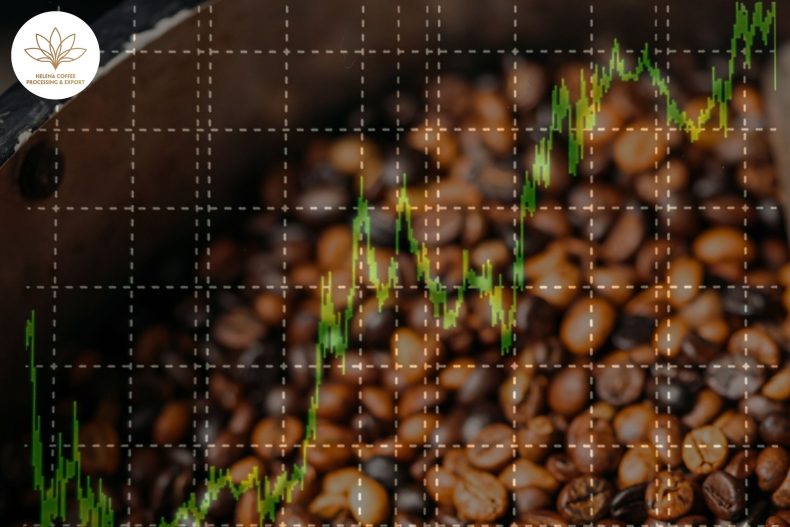
The global coffee industry is entering a new phase of growth, with specialty coffee emerging as one of its most dynamic and high-value segments. According to recent forecasts, global coffee production is expected to reach 178.8 million bags in 2025/26, while consumption could climb to 173.9 million bags. Within this expansion, specialty coffee continues to gain momentum, driven by consumers seeking higher quality, traceability, and unique flavor experiences.
However, while demand rises, the ability of producers to supply consistent, high-quality specialty coffee remains under pressure. Encouraging more farmers to enter this segment is not just about price incentives it requires long-term support, innovation, and structural changes across the supply chain.
Main Contents
ToggleThe Growing Demand for Specialty Coffee
In recent years, specialty coffee has transitioned from a niche category into a global trend. Markets such as the United States and India are seeing rapid growth, with specialty coffee consumption reaching record highs. In India alone, the coffee market is projected to double by 2030, with specialty coffee accounting for a significant share of that expansion.
This surge in demand creates both opportunities and challenges. While specialty coffee offers premium pricing and better margins, it also requires producers to meet stricter quality standards, invest in better processing methods, and maintain consistency over time.
Barriers Preventing Producers from Entering Specialty Coffee
Despite its potential, transitioning from commercial to specialty coffee production is not easy. One of the biggest challenges is the ageing farmer population. In many coffee-producing regions, the average farmer is over 50 years old, raising concerns about the long-term sustainability of the industry.
Younger generations are often reluctant to continue farming due to high costs, uncertain income, and the demanding nature of agricultural work. Specialty coffee, while more profitable in theory, requires even greater investment in terms of time, knowledge, and resources.
Additionally, production costs continue to rise. From fertilizers and labor to post-harvest infrastructure, farmers face increasing financial pressure. Without access to capital or technical support, many are unable to make the shift դեպի higher-quality production.
Why Specialty Coffee Demands More from Producers
Producing specialty coffee is fundamentally different from producing commodity coffee. It involves meticulous attention to detail at every stage from cultivation and harvesting to processing and storage.
Farmers must understand factors such as:
- Microclimate and terroir
- Processing techniques like washed, natural, or honey
- Controlled fermentation methods
- Quality control and cupping standards
This level of complexity means that producing specialty coffee is not just a farming activity, it is a craft that takes years to master.
However, the rewards can be significant. Specialty coffee often commands higher prices, offers better market visibility, and allows producers to build a reputation in global markets. Over time, this can lead to greater financial stability and opportunities for reinvestment.

The Role of Innovation and Sustainability
To succeed in the specialty coffee market, producers must adopt innovative and sustainable practices. This includes:
- Implementing environmentally friendly farming methods
- Experimenting with new coffee varieties
- Investing in advanced processing techniques
- Improving water and energy efficiency
Sustainability is no longer optional. Consumers increasingly demand ethically sourced coffee, and buyers are prioritizing suppliers who can demonstrate transparency and environmental responsibility.
However, innovation comes at a cost. Without proper support, many farmers are unable or unwilling to take the risk.
The Importance of Long-Term Relationships
One of the most effective ways to encourage specialty coffee production is through long-term partnerships between producers and buyers.
Unlike traditional commodity trading, specialty coffee thrives on relationships built on trust, transparency, and shared value. When producers have guaranteed buyers willing to pay premium prices, they are more confident in investing in quality improvements.
These relationships also enable:
- Continuous feedback to improve coffee quality
- Knowledge transfer between producers and roasters
- Financial stability through consistent demand
- Reduced risk when experimenting with new methods
In this model, success is not defined by one-time transactions but by sustained collaboration.

Expanding Market Access Through Direct Trade and Technology
Access to markets remains a critical challenge for many producers, especially smallholders. Traditional supply chains often limit their ability to negotiate fair prices or connect with international buyers.
Direct trade models are helping to change this dynamic by:
- Reducing intermediaries
- Increasing transparency
- Allowing producers to capture more value
In addition, digital platforms and blockchain technology are opening new opportunities. These tools enable traceability, build trust, and connect farmers directly with global buyers.
By improving access to information and markets, producers can better position themselves within the specialty coffee ecosystem.
Supporting Producers with Training and Education
Education plays a crucial role in developing specialty coffee production. Farmers need access to training programs that cover:
- Agricultural best practices
- Post-harvest processing techniques
- Quality assessment and grading
- Market trends and consumer preferences
Structured programs can significantly improve coffee quality and consistency. Over time, this leads to higher cupping scores, better pricing, and stronger market positioning.
Moreover, empowering producers with knowledge helps them make informed decisions and adapt to changing market conditions.
Addressing Economic Realities
While specialty coffee offers higher returns, it is not immune to market risks. Price volatility, climate change, and fluctuating demand can all impact profitability.
To ensure long-term sustainability, the industry must address:
- Fair pricing models that reflect production costs
- Access to affordable financing
- Risk-sharing mechanisms between buyers and producers
- Investment in infrastructure and logistics
Without these structural improvements, the growth of specialty coffee may remain limited to a small segment of producers.
The Future of Specialty Coffee Production
The future of specialty coffee depends on the ability of the industry to balance demand with sustainable supply. Encouraging more producers to enter this segment requires a holistic approach one that combines financial incentives, technical support, and strong market connections.
Younger farmers, in particular, represent a key opportunity. With the right support, they can drive innovation, adopt new technologies, and reshape the future of coffee production.
At the same time, collaboration across the supply chain from farmers and cooperatives to exporters and roasters will be essential. Only through shared responsibility can the industry ensure consistent growth and long-term resilience.

Conclusion
The rise of specialty coffee is reshaping the global coffee industry, creating new opportunities for producers while raising the bar for quality and sustainability.
However, growth cannot happen without investment in the people at the origin. By supporting farmers through education, innovation, and long-term partnerships, the industry can unlock the full potential of specialty coffee.
Ultimately, encouraging more producers to grow specialty coffee is not just about meeting demand. It’s about building a more sustainable, transparent, and equitable future for coffee as a whole.
Helena Coffee – Your Trusted Partner for Quality & Growth
Helena Coffee is more than just a supplier, we are your strategic partner in the coffee industry. From high-quality, traceable green coffee to sample roasting, product development, and brand support, we help businesses optimize costs, secure stable supply, and elevate cup quality. If you’re looking for a reliable partner to grow sustainably in today’s competitive coffee market, Helena Coffee is your advantage.
👉 Visit www.helenacoffee.vn or Info@helenacoffee.vn to explore our products and request a direct quote today!