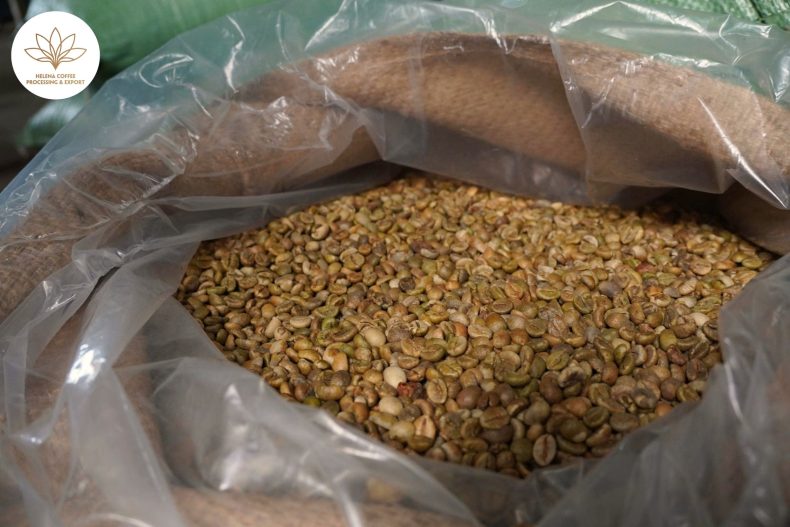
The global specialty coffee industry is evolving rapidly, with co-fermented coffees becoming one of its most intriguing and controversial trends. Once considered a fringe innovation, co-fermentation is now gaining traction, carving out a space of its own alongside washed, natural, and honey processing methods. With rising consumer curiosity and roasters eager to differentiate themselves, these coffees are shaping a new narrative in coffee processing.
What Are Co-Fermented Coffees?
At their core, co-fermented coffees involve fermenting coffee cherries or beans with the addition of natural ingredients such as fruits, spices, or botanicals. The goal is to create bold, distinctive flavor profiles that traditional processing methods may not achieve. While similar to infused coffees, co-fermented lots differ because the added ingredients are introduced during fermentation rather than after processing or roasting.
This process results in striking sensory experiences — think tropical fruit notes, floral bursts, or spiced undertones — that captivate both consumers and coffee professionals. For producers, co-fermentation offers a way to increase cup scores, expand into niche markets, and command premium prices.
The Rise of Co-Fermented Coffees in Specialty Coffee
Five years ago, terms like “infused” and “co-fermented” were barely recognized, often sparking heated debates about transparency. Today, co-fermented coffees are showcased at international coffee expos, appear regularly in roasters’ premium offerings, and even headline coffee competitions.

Several factors explain this rise:
Consumer curiosity: Younger coffee drinkers crave novelty, customization, and unique flavor experiences.
Market differentiation: Roasters and producers use co-fermentation to stand out in crowded specialty markets.
Farmer empowerment: By increasing the perceived value of their coffees, producers can earn higher premiums and strengthen their financial resilience.
Although controversial, this category is becoming mainstream, proving it’s more than a passing fad.
Co-Fermentation vs. Infusion: Why Definitions Matter
One challenge is the persistent confusion between co-fermented coffees and infused coffees. Infusion typically occurs after processing or roasting, where flavors are artificially added. Co-fermentation, however, integrates ingredients during fermentation, embedding the flavors naturally.
Luis, a Guatemalan agronomist with over 18 years in coffee production, emphasizes the importance of transparency:
“We should always be clear and label these coffees as co-ferments, so consumers know the sensory profile has been modified.”
This honesty builds consumer trust while preserving the integrity of the specialty market.
The Benefits of Co-Fermented Coffees
Despite skepticism, co-fermentation offers undeniable benefits for producers and roasters:
Market Access & Premium Pricing – Producers can reach new markets willing to pay higher prices for unique flavors.
Diversification of Offerings – Roasters can showcase limited-edition lots to attract adventurous consumers.
Creative Expression – Co-fermentation allows farmers to showcase innovation beyond terroir, adding another dimension to their craft.
Farmer Empowerment – Higher cup scores often translate to stronger bargaining power and better income.
The Controversies Surrounding Co-Fermented Coffees

Not everyone agrees with this trend. Critics argue that:
Co-fermentation blurs the line between authenticity and manipulation.
Some methods may rely on artificial additives, raising concerns about fairness.
Traditionalists fear it undermines terroir-driven coffee appreciation.
Despite these critiques, the specialty industry has often embraced once-controversial innovations. Lactic and anaerobic fermentations, once dismissed as defects, are now celebrated. Co-fermentation may follow a similar path.
Why Categorisation Is Essential
As co-fermented coffees proliferate, categorization becomes critical. Just as washed, natural, and honey methods have clear definitions, co-ferments need standardization to build trust and understanding.
Transparency – Clear labeling of ingredients and processes ensures consumers know what they’re drinking.
Education – Baristas and roasters can better communicate the story behind co-fermented lots.
Market Growth – Formal recognition could elevate co-fermentation into a legitimate, permanent category within specialty coffee.
Luis explains:
“The new trend of co-ferments should be considered its own category. The methodologies used differ from traditional ones, and customers need clarity.”
Research & Innovation: The Next Step
For broader acceptance, more research is required. Scientific studies can help standardize techniques, improve quality control, and differentiate between natural and artificial inputs. Producers also need access to training and technology that ensures consistent results.
Moreover, roasters must learn to handle these coffees carefully. From roasting profiles to brewing methods, co-fermented beans often require different approaches to bring out their best qualities.
The Future of Co-Fermented Coffees
Looking ahead, co-fermented coffees are poised to become a fixture in the specialty market. Their trajectory mirrors other experimental methods that began as controversial but ultimately enriched the industry.
Key drivers of future growth include:
Consumer demand for unique flavors.
Increased willingness to pay for innovation.
Formal categorization and certification.
Integration into specialty cafés and competitions.
If transparency and research continue to advance, co-ferments could shift from being a niche experiment to a celebrated specialty category.

Conclusion
The rise of co-fermented coffees underscores the specialty coffee industry’s appetite for innovation. While controversies about authenticity and fairness remain, the growing popularity of these coffees suggests they are here to stay. With clearer definitions, stronger research, and transparent communication, co-fermentation can empower farmers, delight consumers, and expand the horizons of specialty coffee.
At Helena Coffee Vietnam, we embrace innovation while staying true to authenticity. From honey and anaerobic to co-fermented coffees, our mission is to bring global buyers unique, high-value flavors rooted in Vietnam’s rich coffee heritage. With strict quality control, sustainable farming partnerships, and modern processing, Helena delivers beans that not only meet specialty standards but also push boundaries in taste and creativity. For those seeking coffees that excite, surprise, and inspire, Helena is your trusted partner.
👉 Visit www.helenacoffee.vn or Info@helenacoffee.vn to explore our products and request a direct quote today!