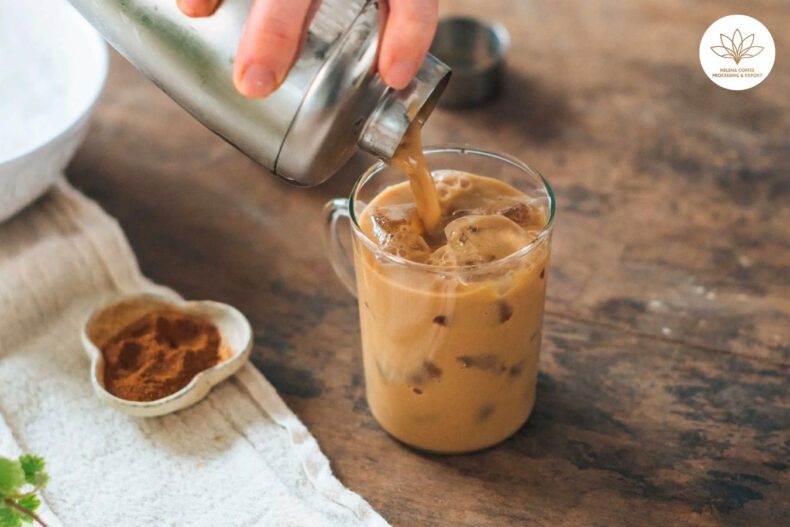
Just ten years ago, the cold coffee market had a limited selection. Fast forward to today, and coffee lovers can enjoy an array of beverages—from flash brew and nitro cold brew to ready-to-drink (RTD) options. This sector is rapidly evolving, with projections indicating that by 2027, the global cold coffee market will grow by 22% annually, reaching approximately $1.4 billion, with the RTD segment experiencing the most significant growth.
As a result, an increasing number of roasters are stepping into the RTD coffee landscape, intensifying the competition. It’s becoming crucial for brands to discover innovative ways to differentiate themselves, and exploring new beverage concepts plays a vital role in this. To gain deeper insights, I had the opportunity to speak with Kyle Bosshardt from Snapchill, Jonathan Gogel and Bailey Manson from Intelligentsia Coffee, and Trevor Corlett of Madcap Coffee.
The Evolution of the Cold Coffee Market
The cold coffee landscape has significantly expanded beyond traditional cold brew—though that remains a favorite among many. Today, coffee lovers can choose from an array of cold coffee offerings, such as iced lattes, nitro coffee, and espresso tonics.
Alongside this variety, the quality of cold coffee has dramatically improved, raising the bar for consumer expectations. Jonathan Gogel, Director of Brand Marketing at Intelligentsia Coffee—a leading specialty coffee roaster based in Chicago—shares his insights: “The cold coffee phenomenon transcends seasonal and regional boundaries, signifying a broader transformation within the specialty coffee sector. At this point, coffee drinkers should expect a flavor and quality experience on par with carefully crafted hot brews.”
So, what’s driving this surge in growth and creativity? Younger generations are increasingly opting for cold coffee beverages, and this trend has a profound impact on the market. Research from World Coffee Portal indicates that 37% of consumers aged 35 and under enjoy iced coffee every day, often at various times throughout the day.
Furthermore, Starbucks revealed in its 2023 third-quarter report that cold drinks now make up an impressive 75% of its U.S. sales, underscoring the direction in which the market is headed. Kyle Bosshardt, Director of Business Development at Snapchill, a company that specializes in ready-to-drink coffee solutions, highlights the role of convenience in the cold coffee market’s success. “Cold coffee offers immediate enjoyment, eliminating the need for hot brewing, and it’s much more portable for those on the go,” he explains.
Rising Demand for Ready-to-Drink Coffee
Convenience has always been a driving force in the coffee industry. As early as the late 1800s, consumers began to prefer having their coffee roasted for them rather than doing it themselves. Although the concept of convenience has evolved significantly over the years, it remains a crucial factor influencing purchasing decisions.
The introduction of canned coffee in the 1960s in Japan paved the way for a variety of ready-to-drink (RTD) coffee products, including cold brews and milk-based beverages. Not surprisingly, younger generations are leading the charge in RTD coffee consumption. Data from Mintel indicates that Gen Z (those born after 1996) are “significantly more likely” to choose RTD options over traditional hot brews.
As the cold coffee market continues to flourish, the variety of RTD coffee beverages available is expanding as well. In 2022 alone, RTD coffee sales surged by an impressive 32% year-on-year. This growth is exemplified by Snapchill’s recent opening of a new production facility in Green Bay, Wisconsin, capable of producing 50 million RTD cans annually.
With an influx of brands entering the RTD coffee space, there’s been a clear trend toward using higher-quality coffee, diversifying product offerings, and creating unique sensory experiences in terms of flavor and mouthfeel.
Embracing Innovation in the Ready-to-Drink Coffee Market
The rising demand for ready-to-drink (RTD) coffee offers roasters an exciting opportunity to diversify their product lines and distinguish themselves in a competitive landscape. Trevor Corlett, founder and president of Madcap Coffee in Michigan, emphasizes this point: “With advancements in beverage technology, it’s now more accessible than ever for coffee companies of all sizes to produce RTD products.”
As competition intensifies, the need to stand out has prompted a wider variety of manufacturing and processing techniques for RTD coffee. These innovations not only address critical food safety concerns associated with cold coffee but also enhance the preservation of delicate flavors and aromas, elevating consumer expectations even further.
Cold coffee drinks, including cold brew, are typically brewed at lower temperatures, which can create an environment conducive to the growth of bacteria, yeast, and molds. Additionally, the lower acidity of cold coffee compared to hot brews can further support the survival of various microorganisms.
To combat these challenges, many RTD coffee producers implement high-pressure, high-temperature retort systems to eliminate harmful bacteria and ensure shelf stability. However, this process can sometimes compromise flavor, as the extreme conditions may destroy the complex profiles and aromas inherent in RTD coffee.
How Can Roasters Best Preserve Flavor in RTD Coffee?
While ensuring that RTD coffee is safe to drink is crucial, maintaining a high level of beverage quality is equally important. To balance both, many coffee brands are collaborating with innovative RTD companies to enhance flavor preservation. Kyle Bosshardt of Snapchill explains that the company uses tunnel pasteurization along with its patented chilling technology to rapidly cool hot-brewed coffee. This process captures the full range of flavors and aromas while adhering to food safety standards.
“Our pasteurization system gently raises the temperature over 20 minutes, holds it at a precise point, and then cools the coffee slowly over another 20 minutes to lock in the volatile aromatics,” he says. By brewing the coffee hot and then flash-chilling it, more of the subtle, delicate flavors are retained, resulting in a more complex and nuanced sensory experience.
Trevor Corlett from Madcap Coffee highlights the advantages of this approach: “We’ve always brewed coffee hot and used different methods to flash chill it. Partnering with Snapchill for our RTD products allows us to maintain quality while scaling production.” He adds, “Our goal is for consumers to savor the clean, complex flavors, whether they’re drinking it at home or on the go.”
Choosing the Right Coffee for RTD Products
Kyle Bosshardt explains that Snapchill has collaborated with over 300 roasters to create premium RTD coffee offerings. One of their key partners, Intelligentsia, utilizes its renowned Black Cat espresso blend, which delivers a well-balanced sweetness with just the right amount of acidity. Jonathan Gogel from Intelligentsia shares, “We consider Black Cat to be the epitome of a specialty espresso profile. It offers the perfect body and acidity, which is why we chose it for our cold coffee offerings.”
The Black Cat blend strikes a balance that appeals to a broad audience of cold coffee drinkers, providing both richness and delicate fruit acidity, a hallmark of specialty coffee. Bailey Manson, Intelligentsia’s Director of Innovation, emphasizes the flavor depth they achieved through Snapchill’s process, especially compared to traditional cold brew. “We love the sweetness and complexity from this method,” he notes. “With cold brew, you’re often locked into the same flavor notes regardless of the coffee, which limits a product’s ability to truly stand out.”
Why Roasters Should Enter the Ready-to-Drink Coffee Market
More roasters are venturing into the ready-to-drink (RTD) cold coffee market, and for good reason. By doing so, they can tap into the surging demand for cold coffee, enter a highly profitable sector, diversify their revenue streams, and attract new customer segments.
Trevor Corlett, founder of Madcap Coffee, highlights the importance of this opportunity: “Coffee companies can’t overlook the chance to offer consumers a product that’s both convenient and high-quality. Roasters that once hesitated due to concerns about quality no longer need to compromise.”
One of the best ways to reach new consumers is by selling RTD coffee in supermarkets and grocery stores.
Jonathan Gogel of Intelligentsia Coffee adds, “The RTD market gives us the chance to expand our reach. We have a loyal fanbase for our RTDs in our coffeebars, but these products also introduce our brand to customers who may have never visited an Intelligentsia store. It’s a huge opportunity to appeal to specialty coffee lovers worldwide.”
By selling their RTD products through various retailers, roasters can cater to consumers across different price ranges. Kyle Bosshardt from Snapchill emphasizes, “Selling our products in stores like Whole Foods and Walmart is essential for both the growth of specialty coffee and consumer education.” Additionally, Snapchill is the exclusive RTD manufacturer for the Local Collective, an e-commerce platform that supplies over 2,200 Walmart stores with coffee from local roasters. This collaboration not only supports local businesses but also provides consumers with better access to high-quality coffee.
Greater Control Over the Finished Product
One major benefit for roasters producing their own ready-to-drink (RTD) coffee is the control they gain over the final product. Trevor Corlett highlights that once coffee is in the hands of consumers, roasters often lose control over how it’s prepared, which can affect both quality and their brand’s reputation.
“With RTD coffee, we have direct involvement in what the consumer experiences,” Trevor notes, emphasizing the unique opportunity this presents for maintaining quality from start to finish. Snapchill aids roasters in ensuring this consistency by offering support in research and development, allowing them to preserve specific flavor profiles and ensure their RTD products meet high standards.
Bailey Manson of Intelligentsia stresses the importance of working with trusted partners when entering the RTD market. “Snapchill’s flexibility in terms of order size lets us release special, limited-edition RTD products, showcasing some of our best work,” he explains. “Plus, they have the capacity to scale production as needed, so we’re confident in their ability to grow with us.”
As the cold coffee trend continues to flourish, roasters looking to break into the RTD sector have a real opportunity. However, with a crowded market, standing out is essential. A focus on premium flavor and quality is what will set successful brands apart. By gaining more control over their product’s final form and delivering a superior flavor experience, roasters can establish a competitive edge in this rapidly growing market.