In recent years, specialty coffee culture in Canada has evolved rapidly, transforming from a market dominated by large chains into a dynamic and diverse ecosystem of independent roasters, cafés, and conscious consumers. While legacy brands still hold significant market share, a new wave of coffee professionals is redefining how Canadians experience coffee focusing on quality, traceability, and unique customer experiences.
With 71% of Canadian adults drinking coffee daily, the beverage is deeply embedded in the country’s lifestyle. However, the shift from routine consumption to intentional appreciation marks the true rise of specialty coffee culture.
The Evolution of Specialty Coffee Culture in Canada
Canada’s coffee journey reflects the global progression of coffee “waves.” For decades, the market was dominated by commodity coffee and convenience-driven consumption. Brands like Tim Hortons became cultural icons, shaping habits with simple, accessible offerings like drip coffee.
However, as consumer awareness increased, so did demand for higher-quality coffee. This shift paved the way for the growth of specialty coffee culture, where the focus moved beyond caffeine to include origin, processing methods, and flavor complexity.
Today, Canada consumes nearly a million more 60kg bags of coffee annually compared to a decade ago, with an average intake of 2.7 cups per person per day. This growing demand has created space for specialty coffee to flourish.

Major Cities Driving Specialty Coffee Culture
The expansion of specialty coffee culture in Canada is strongly tied to urban centers, each contributing its own identity and influence.
Vancouver: The Pioneer of Third-Wave Coffee
Vancouver is often considered the birthplace of Canada’s third-wave coffee movement. Early adopters of specialty practices helped shape a market focused on craftsmanship and innovation.
Independent roasters and cafés in Vancouver emphasize:
- Single-origin coffees
- Light roasting profiles
- Manual brewing methods
This city laid the foundation for how Canadians perceive quality coffee today.
Calgary: Competitive Excellence
Located near the Rocky Mountains, Calgary has gained recognition for its highly competitive coffee scene. Home to award-winning roasters, the city represents the technical and professional side of specialty coffee culture.
Barista competitions, advanced roasting techniques, and a strong focus on consistency have positioned Calgary as a hub for excellence.
Toronto: Commercial Expansion
Toronto plays a crucial role in scaling specialty coffee culture. As one of the most multicultural cities in the world, Toronto blends global coffee influences into a vibrant and diverse scene.
Here, specialty coffee has become more accessible to the mass market through:
- Modern café concepts
- Branding and storytelling
- Wider distribution of specialty beans
Toronto bridges the gap between niche specialty coffee and mainstream consumption.
Montréal: Creativity and Identity
Montréal offers a unique take on specialty coffee culture, combining European influences with local creativity. The city is known for its micro-roasters and strong emphasis on brand identity.
Unlike other markets, Montréal cafés often focus on:
- Distinct aesthetics
- Experimental offerings
- Personalized customer experiences
This makes the city a cultural hotspot for innovation in coffee.
Beyond the Big Cities
While major urban centers lead the movement, specialty coffee culture is spreading across Canada. Smaller cities like Edmonton, Ottawa, and Halifax are developing their own coffee identities.
Local roasters and cafés are:
- Building community-driven coffee scenes
- Promoting education about coffee
- Supporting local economies
This nationwide expansion highlights the growing influence of specialty coffee beyond metropolitan areas.
Changing Consumer Behavior
One of the key drivers behind the rise of specialty coffee culture is the shift in consumer preferences. Traditionally, Canadian coffee culture focused on routine and convenience. Today, more consumers are seeking quality and experience.
Key trends include:
- Increased interest in espresso-based drinks
- Willingness to pay more for premium coffee
- Growing awareness of sourcing and sustainability
Ethical Sourcing and Sustainability
A defining feature of modern specialty coffee culture is its emphasis on ethical sourcing. Canadian roasters are increasingly building long-term relationships with producers rather than relying on short-term transactions.
This approach includes:
- Paying higher prices for quality coffee
- Investing in farming communities
- Supporting sustainable production practices
These efforts not only improve coffee quality but also contribute to a more equitable supply chain.
Challenges Facing Specialty Coffee Culture
Despite its growth, specialty coffee culture in Canada faces several challenges:
Price Sensitivity
Specialty coffee is still perceived as a premium product, limiting accessibility for some consumers.
Market Dominance of Large Chains
Major brands continue to control a large portion of the market, making it difficult for smaller players to scale.
Supply Chain Disruptions
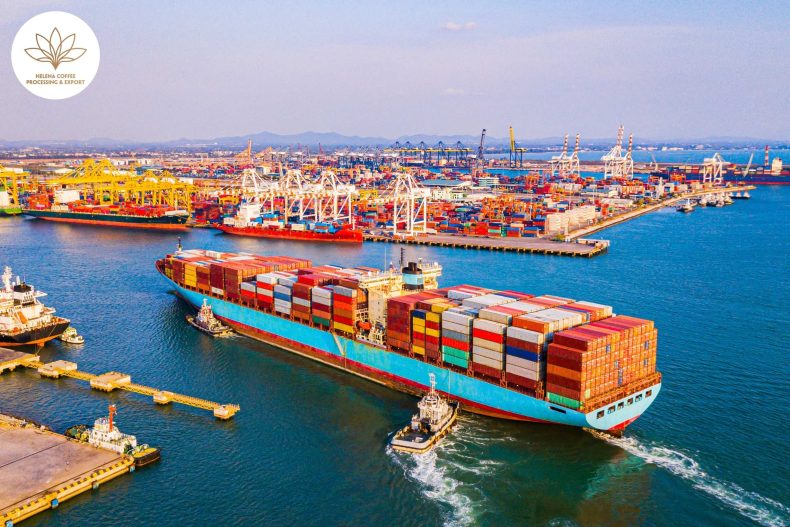
Recent trade tensions between the United States and Canada introduced tariffs that impacted coffee imports.
These tariffs increased costs for Canadian roasters who relied on U.S. suppliers, forcing many to adapt by sourcing locally or adjusting pricing strategies.
Resilience and Adaptation
Despite these challenges, the Canadian coffee industry has shown remarkable resilience. Roasters and cafés have adapted by:
- Partnering with domestic importers
- Optimizing supply chains
- Enhancing customer experience
This adaptability has allowed specialty coffee culture to continue growing even under economic pressure.
The Future of Specialty Coffee Culture in Canada
Looking ahead, the future of specialty coffee culture in Canada appears promising. Several factors support continued growth:
- Rising coffee consumption
- Increasing consumer education
- Expansion of independent cafés
- Strong focus on sustainability
As more Canadians explore high-quality coffee, the market will likely become more competitive and innovative.

Conclusion
Canada’s specialty coffee culture is no longer just an emerging trend, it is a defining part of the country’s evolving coffee identity. From Vancouver’s pioneering spirit to Montréal’s creative energy, each region contributes to a diverse and thriving coffee landscape.
While challenges remain, the industry’s commitment to quality, sustainability, and innovation ensures that specialty coffee will continue to grow. As consumers become more informed and engaged, Canada is well on its way to establishing itself as a global leader in specialty coffee culture on its own terms.
Helena Coffee – Elevating Specialty Coffee Culture from Origin to Cup
At Helena Coffee, we don’t just follow the growth of specialty coffee culture, we actively shape it. With direct sourcing from Vietnam’s finest coffee regions, strict quality control, and a deep commitment to traceability, Helena delivers beans that meet the evolving demands of modern specialty markets worldwide. Whether you’re a roaster, café owner, or distributor, Helena Coffee offers consistent quality, competitive pricing, and scalable supply helping you build a stronger, more distinctive coffee experience in today’s dynamic global landscape.
👉 Visit www.helenacoffee.vn or Info@helenacoffee.vn to explore our products and request a direct quote today!