Infused and co-fermented coffees are rapidly reshaping the specialty coffee industry with bold flavors, intense sweetness, and highly expressive profiles. Once considered niche, they are now influencing how consumers discover and evaluate coffee. While many see them as exciting and approachable, others worry they may overshadow traditional coffee characteristics like origin, terroir, and variety.
What Are Infused and Co-Fermented Coffees?
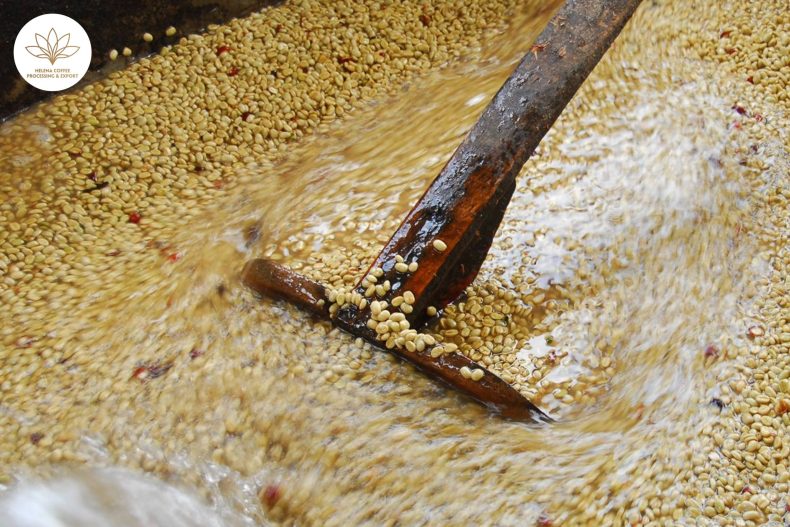
Infused and co-fermented coffees use controlled fermentation techniques or added ingredients during processing to enhance flavor intensity.
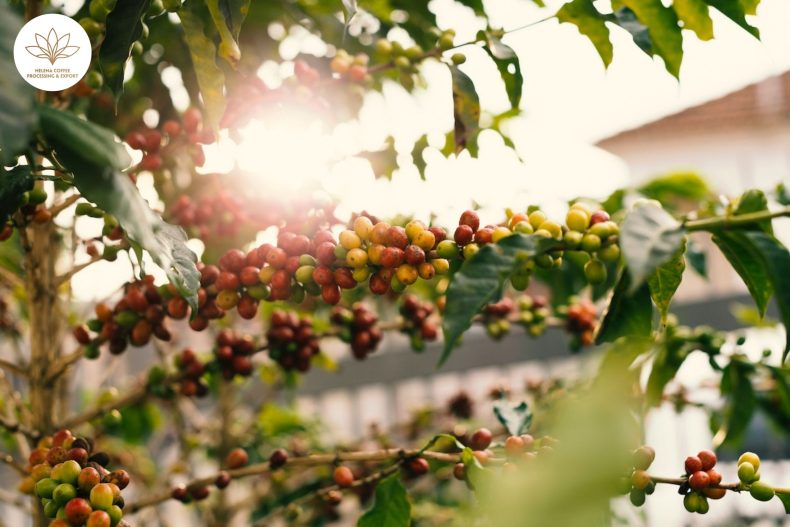
Co-fermented coffees typically involve fermenting coffee cherries together with fruits, spices, yeasts, or other ingredients to create highly distinctive flavor profiles. Meanwhile, infused coffees may introduce flavors during processing to amplify sweetness, acidity, or aroma.
These coffees often produce tasting notes that are far more immediate and recognizable than traditional washed or natural coffees. Flavor descriptions such as:

- Strawberry candy
- Orange creamsicle
- Tropical punch
- Cinnamon roll
- Chocolate donut
have become increasingly common across specialty coffee menus and packaging.
For many consumers, especially newcomers, these coffees feel easier to understand and enjoy.
Why Consumers Are Drawn to Infused and Co-Fermented Coffees
One of the biggest reasons infused and co-fermented coffees are gaining popularity is accessibility.
Traditional specialty coffee often requires experience and palate development to fully appreciate subtle flavor differences between origins, varieties, and processing styles. In contrast, infused and co-fermented coffees deliver bold flavors that are immediately noticeable.
Justin Bull, co-owner of a brand coffee and finalist at the 2025 World Brewers Cup, describes these coffees as “entry points” into specialty coffee.
For beginner consumers, tasting a coffee with intense fruit or dessert-like notes is often easier than identifying the delicate floral or citrus complexity of a clean washed coffee.
This accessibility is helping specialty coffee reach a wider audience.
At the same time, these coffees fit perfectly into modern consumer behavior, where strong sensory experiences and instantly recognizable flavors often attract more attention online and in cafés.
Consumer Expectations Are Changing
Although infused and co-fermented coffees are still relatively niche compared to traditional coffees, they are having a major influence on how consumers think coffee should taste.
This is where the specialty coffee industry is beginning to shift.
Consumers who are introduced to highly expressive coffees may start expecting all specialty coffees to deliver similarly intense experiences. As a result, more subtle coffees can sometimes feel less exciting or less memorable by comparison.
This creates a new challenge for roasters.
Traditional washed coffees often rely on complexity, balance, terroir, and clarity. However, when placed next to aggressively flavored co-fermented coffees, those qualities can become harder to communicate to newer consumers.
The shift is already visible in coffee branding and marketing.
Flavor-Driven Marketing Is Becoming More Common
Specialty coffee marketing has traditionally emphasized:
- Origin
- Producer
- Variety
- Elevation
- Processing method
However, the rise of infused and co-fermented coffees is pushing the industry toward flavor-first communication.
Today, many coffees are marketed primarily through dramatic flavor descriptors rather than origin stories. Consumers are increasingly attracted to coffees labeled with dessert-inspired or fruit-heavy tasting notes.
Justin Bull notes that some roasters now build entire product lineups around these flavor-driven concepts instead of using them only for limited releases.
This reflects a larger change in specialty coffee culture.
Flavor intensity has become one of the strongest marketing tools available.
Unlike traditional coffees, infused and co-fermented coffees often deliver flavor notes that directly match the label, making marketing claims feel more accurate and easier for consumers to understand.
When a coffee labeled “orange creamsicle” genuinely tastes like orange creamsicle, consumers develop stronger trust and excitement around those products.
The Specialty Coffee Market Is Divided
Despite growing popularity, infused and co-fermented coffees remain controversial within specialty coffee.
The market itself appears increasingly divided.
According to industry discussions, around 37% of consumers find infused and co-fermented coffees exciting and innovative. However, 33% believe they have no place in specialty coffee at all.
This division highlights an important reality: the industry is becoming more segmented rather than fully transformed.
Some consumers love experimentation and bold sensory experiences. Others continue prioritizing transparency, terroir, and clean processing.
This means traditional coffees are not disappearing.
Instead, the specialty coffee market is expanding into multiple categories with different consumer expectations.
Traditional Coffees Still Matter
Even as infused and co-fermented coffees gain visibility, traditionally processed coffees continue to play a vital role in specialty coffee culture.
Experienced coffee drinkers often still value:
- Origin expression
- Variety characteristics
- Balance and clarity
- Producer identity
- Terroir-driven flavors
Interestingly, many competitions and high-level coffee events are beginning to show renewed appreciation for cleaner and more traditional profiles.
Justin Bull points out that the 2025 World Coffee Championship featured more traditionally processed coffees again after earlier years heavily focused on experimental fermentation.
This suggests the industry may eventually reach a balance between innovation and traditional craftsmanship.
Why Roasters Must Adapt
For roasters, infused and co-fermented coffees create both opportunity and pressure.
On one hand, these coffees are highly marketable and attract consumer attention quickly. On the other hand, they make differentiation more difficult for traditional coffees.
As flavor intensity becomes easier to achieve through processing, roasters may need to focus more heavily on:
- Producer relationships
- Transparency
- Sustainability
- Brewing education
- Storytelling
- Traceability
In the future, success may depend less on flavor alone and more on how effectively brands communicate overall value.
Consumers increasingly want more than just good taste. They also want authenticity, identity, and meaningful stories behind each coffee.

The Future of Infused and Co-Fermented Coffees
The growth of infused and co-fermented coffees shows how rapidly specialty coffee continues evolving.
These coffees are expanding the boundaries of flavor and attracting new consumers into the industry. They are also encouraging producers and roasters to experiment more boldly with fermentation science and processing innovation.
However, they are unlikely to completely replace traditional specialty coffee.
Instead, the future will probably involve coexistence:
- Traditional coffees for consumers seeking clarity and terroir
- Experimental coffees for consumers seeking intensity and novelty
Ultimately, infused and co-fermented coffees are not destroying specialty coffee culture, they are reshaping it.
The biggest challenge for the industry now is learning how to balance innovation, transparency, and authenticity while continuing to educate consumers about the full diversity of coffee flavor.
Discover Innovation with Helena Coffee
At Helena Coffee Vietnam, we combine traditional coffee expertise with modern processing innovation to deliver exceptional specialty coffee. From premium Robusta and Arabica to unique fermented and specialty-grade coffees, Helena Coffee helps roasters and coffee brands create distinctive flavor experiences for today’s evolving market.
👉 Visit www.helenacoffee.vn or Info@helenacoffee.vn to explore our products and request a direct quote today!