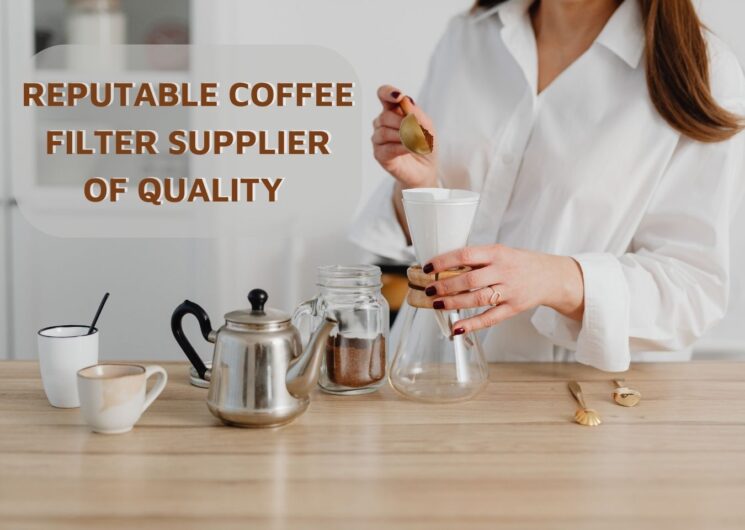
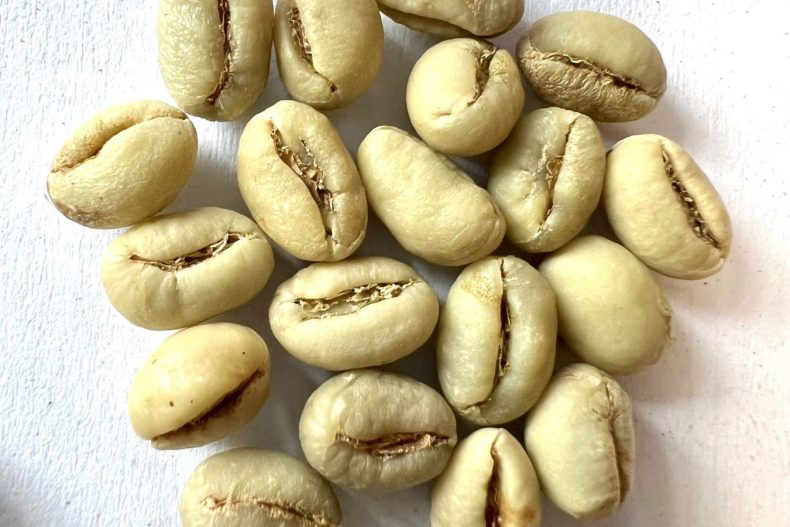
Filter coffee has a historical significance in the U.S, where it is often the preferred method of preparation. Espresso, on the other hand, is more deeply ingrained in European coffee culture and is often seen as a symbol of quality. It’s no secret that the coffee markets in the U.S. and Europe are quite different. Both regions import and consume large quantities of coffee beans. According to consumption levels reported by the ICO for 2019/20, Europeans consume about 2.7 billion kg, while the U.S. consumes around 1.7 billion kg. Together, they account for nearly 40% of global coffee consumption.
Filter coffee and espresso represent distinct approaches to coffee enjoyment, reflecting the cultural preferences of each region. Despite these significant figures, coffee culture is fundamentally different in the two regions. To understand why these two markets have developed so differently, I spoke with three experts: Agnieszka Rojewska, the 2018 World Barista Champion; Sara Reyes Ziman, owner of MillCross Coffee Roasters; and Umeko Motoyoshi, Q Grader and co-founder of umeshiso.com.
A Historical Overview Of Coffee Consumption In the U.S. and Europe
Coffee arrived in Europe in the early 17th century, and it only took a couple of decades for consumption to grow and follow the colonial ships to the U.S. by the late 1600s. However, coffee didn’t really become popular in the U.S. until after the Boston Tea Party, when the British government imposed a tax on tea in its American colonies.
During the 17th, 18th, and 19th centuries, the concept of the “coffee house” quickly spread across Europe, establishing itself as a gathering place for intellectuals. The earliest known precursor of the espresso machine was patented in Turin by Angelo Moriondo in 1884, but it wasn’t until 1901 that Luigi Bezzera created the first “true” espresso machine. It debuted at the Milan Fair in 1906 and quickly became very popular. The word “espresso” entered the Italian lexicon in the 1920s and spread across Europe during the first half of the 20th century.
In contrast, coffee developed differently in the U.S. The first coffee percolator was invented by James H. Nason in the U.S. in 1865, indicating an early relationship with a different brewing method. During the early 20th century, coffee was marketed and popularized by brands like Folgers and Maxwell House. Additionally, the American inventor George Washington (not the president) created a method for mass-producing instant coffee in 1909, leading to increased coffee popularity in the 1920s, particularly due to the Prohibition Act enacted by Congress. While espresso gained recognition in Europe, filter coffee became the preferred method in the U.S. during that same period.
It is widely believed that filter coffee, or drip coffee, was invented by Melitta Bentz in Germany in 1908. By the time of World War II, the two primary brewing methods in the U.S. were filter coffee and stovetop percolators. Interestingly, it is said that American G.I. soldiers in Italy invented the Americano during the war. The Italian espresso was reportedly too strong and bitter for their taste, so they diluted it with water to create a flavor similar to filter coffee, which they found more familiar.
Umeko notes, “People really began to take an interest in coffee after World War II, especially when tools like the Coffee Brewing Control Chart were developed in the 1960s.” This was also the period when Folgers and other major coffee brands in the U.S. started to promote coffee more aggressively.
In 1972, the first automatic drip coffee maker for home use, Mr. Coffee, was launched. The rise of electric coffee makers for brewing filter coffee revolutionized how Americans consumed this beverage, fitting well into a growing consumer culture that demanded convenience both at home and away.
Cultural Differences
Certainly, there are significant cultural differences between the U.S. and Europe that relate to these distinct coffee relationships.
One of the main differences is the strong emphasis on convenience and accessibility in American culture. Life in the U.S., particularly in metropolitan areas like Los Angeles and New York City, can be fast-paced, with a focus on takeout meals and beverages consumed on the go. It’s no coincidence that the first drive-thru coffee shop, Motor Moka, was founded in the U.S. in 1990.
While urban European culture sometimes shares this desire for convenience, there is a notable difference. In countries like France and Italy, coffee shops and restaurants often aim to provide an experience, encouraging customers to sit down and enjoy their drinks in a relaxed manner.
In US cities, filter coffee offers coffee shops a way to provide customers with quality flavors and notes they appreciate while still delivering convenience and speed. Based in Los Angeles, MillCross owner Sara is well aware of this “to-go” culture. She mentions that the accessibility of filter coffee has made it the most convenient way for many customers to enjoy coffee.
“The American coffee culture is all about convenience; instant coffee has been a way of life for decades,” Sara explains. Despite the fact that “specialty coffee is changing those old habits,” she notes that “filter coffee is more accessible for a fast-paced lifestyle,” especially compared to espresso.
“Typically, we see more espressos consumed in coffee shops when people have time to sit down,” Sara tells me. However, in addition to the convenience that filter coffee offers both shops and customers, she adds that “it’s also a home ritual for many people throughout the U.S.”
In Europe, the coffee culture is different. Agnieszka explains that this difference is “much more cultural and tied to how people eat and the climate.” While espresso is more popular in Europe and is generally viewed as a drink to enjoy in coffee shops and espresso bars with friends, that’s not always the case. It’s common to drink an espresso at a local coffee shop during a quick break from work or before an appointment or meeting. It doesn’t always have to be a special occasion; it’s part of everyday life.
Umeko points out, “There’s usually an emphasis on coffee at home and in the office in the U.S. However, in Europe, we see a culture of enjoying a lot of coffee in coffee shops.”
The Different Subregions And Their Preferences
However, discussing European coffee culture as a whole is challenging; there are many unique countries in Europe that consume coffee in different ways. Agnieszka tells me that, for example, “[in Southern Europe], people often have hearty dinners, so they don’t drink much coffee after dinner.”
Agnieszka notes that it is typically more common for people in these regions to enjoy more concentrated drinks, such as espresso, macchiato, cortado, or ristretto. She adds, “Southern Europeans generally prefer intense flavors.”
In Central Europe and the UK, Agnieszka observes that people usually consume more milk-based beverages (like cappuccinos, lattes, and flat whites). She points out that Eastern European countries often have their own versions of “milk-based drinks that contain cream or condensed milk.”
In Scandinavia, however, espresso is less popular, and the coffee culture resembles that of the U.S.; Agnieszka mentions that filter coffee is more common there than espresso.
There are also regional differences in the US. In cities like Los Angeles, New York City, and Chicago, the popularity of light-roast filter coffee prepared through pour-over methods has grown. Generally, the consumers are younger Americans who are more experienced with third-wave coffee culture, seeking more nuanced flavor notes. In contrast, in rural North America, drip coffee is typically brewed with dark roasts and a more traditional flavor, popularized by classic diner coffee.
In general, we know that people enjoy coffee differently around the world, and these variations are incredibly fascinating. While history and culture can provide some insights into possible reasons for these differences, they are by no means definitive.
Personal experiences with coffee will naturally dictate individual preferences; there are certainly people in Europe who prefer filter coffee, just as there are espresso enthusiasts in the U.S. Each country has its own unique and interesting coffee story. While this doesn’t guarantee that people will enjoy coffee prepared in a certain way, it certainly shapes consumption patterns and trends.
Ultimately, the diversity of preferences for filter coffee and espresso highlights the rich tapestry of global coffee culture.