Washed coffee is known for its clean flavor and bright acidity, but its unique blue-green bean color is just as fascinating. Compared to natural coffee, washed coffee often appears greener a difference that may be linked to the biology of the living coffee seed. In this article, we’ll explore the science behind washed coffee and discover why bean color could reveal more about processing than you might expect.
Why Does Washed Coffee Have a Blue-Green Color?
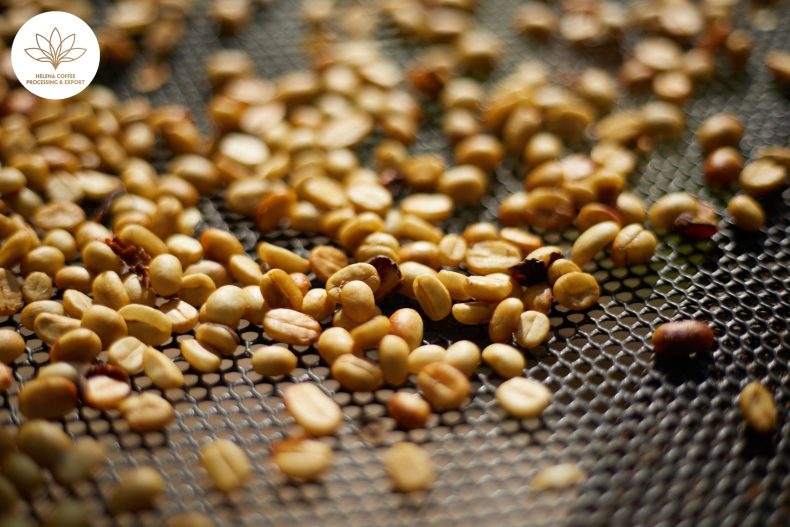
Among the many visual differences between coffee processing methods, one of the most intriguing is the color of the green coffee bean. Coffee professionals have long observed that Washed Coffee typically displays a blue-green appearance, while Natural coffee tends to exhibit a more yellowish-green hue.
For decades, this difference has been accepted as a normal characteristic of coffee grading. However, recent scientific discussions suggest that the explanation may extend far beyond simple appearance. Instead, the distinctive color of Washed Coffee could reflect biological and chemical processes occurring inside the coffee seed itself.
Although this theory has not yet been fully confirmed, it offers a fascinating perspective on how post-harvest processing influences green coffee long before roasting begins.
A Coffee Bean Is Still Alive After Harvest
One of the most surprising facts about coffee is that a green coffee bean remains a living seed even after the coffee cherry has been picked. Unlike roasted coffee, green coffee maintains low levels of metabolic activity to preserve its ability to germinate. The seed continues responding to environmental signals during processing and drying.
According to the International Coffee Organization (ICO), more than 170 million 60-kg bags of coffee are produced globally each year, with processing methods playing a major role in determining bean quality, stability, and flavor development. Every coffee producer must decide how the fruit surrounding the seed will be removed, and this decision affects not only flavor but potentially the bean’s physiology.
The Difference Between Washed and Natural Coffee Processing
To understand why Washed Coffee often appears greener, it is essential to compare the two primary processing methods.
Washed Coffee
In the washed process:
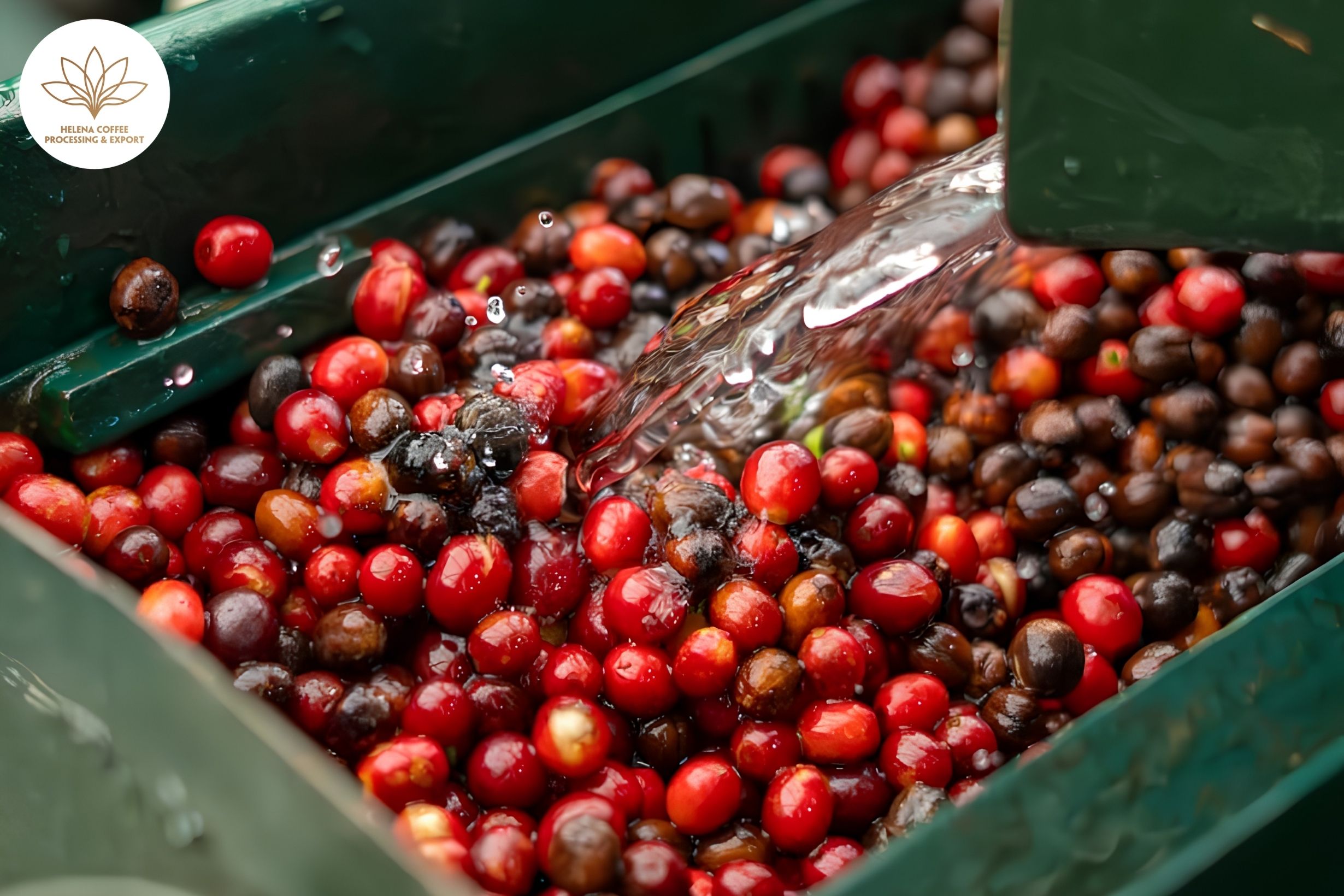
- Coffee cherries are depulped shortly after harvest.
- The fruit and mucilage are removed through fermentation and washing.
- Only the parchment-covered seed remains during drying.
Because the fruit is removed early, the coffee seed is exposed to an entirely different biological environment throughout the drying period.
Natural Coffee
During Natural processing:
- Whole coffee cherries are dried intact.
- The seed remains enclosed within the fruit.
- Drying may take 20–30 days, depending on climate and drying conditions.
Throughout this period, the seed continues interacting with the surrounding fruit. This difference may explain why green bean color develops differently.
The Role of Abscisic Acid (ABA)
One of the most compelling hypotheses comes from Dr. Kôfē (Anja Rahn, Ph.D.), who proposes that plant hormones may explain the color variation.
The key hormone involved is abscisic acid (ABA). ABA plays an important role in keeping seeds dormant. In Natural Coffee, the intact fruit may continue supplying ABA to the seed during drying.
As a result:
- Germination signals remain suppressed.
- Seed metabolism stays relatively inactive.
- The internal chemical environment remains more reduced.
This could contribute to the characteristic yellow-green color often observed in Natural coffees.
What Happens Inside Washed Coffee?
The situation changes dramatically in Washed Coffee. Because the fruit is removed shortly after harvest, the external supply of ABA disappears. Without this hormonal signal, the seed may begin preparing for eventual germination.
This process involves increased production of:
- Reactive Oxygen Species (ROS)
- Oxidative signaling molecules
- Cellular metabolic activity
Although ROS are often associated with oxidative stress, they also function as important signaling molecules inside living plant tissues. Their presence may gradually change the chemical environment within the seed.

Could Oxidation Influence Bean Color?
Here is where the hypothesis becomes particularly interesting. Scientists speculate that natural pigments inside coffee seeds may behave similarly to a redox indicator. In chemistry, redox indicators change color depending on oxidation and reduction reactions.
If coffee pigments behave in the same way:
- A more reduced internal environment may produce a yellow-green appearance.
- A more oxidized environment may create the distinctive blue-green color commonly associated with Washed Coffee.
This would mean that the appearance of green coffee is not simply cosmetic. Instead, bean color could serve as a biological fingerprint reflecting what occurred during post-harvest processing.
Scientific Evidence Is Still Emerging
It is important to emphasize that this remains a scientific hypothesis. At present, no published study has directly demonstrated that redox chemistry alone causes the blue-green appearance of Washed Coffee. Even Dr. Kôfē acknowledges that substantially more research is required.
Future studies will need to examine:
- Different coffee species
- Processing methods
- Environmental conditions
- Pigment chemistry
- Oxidation levels
Only then can researchers determine whether this mechanism consistently explains the color differences observed across global coffee origins. Scientific curiosity, however, often begins with observations like these.
Green Bean Color Is More Than a Grading Characteristic
Traditionally, coffee graders evaluate green beans using several visual criteria, including:
- Color
- Size
- Moisture content
- Physical defects
- Density
However, if biological processes contribute to bean color, visual grading may reveal much more than previously believed.
Instead of merely indicating freshness or processing quality, color may reflect complex interactions between plant physiology, metabolism, and post-harvest treatment.
Processing Shapes More Than Flavor
Coffee processing is already known to influence:
- Sweetness
- Acidity
- Aroma
- Body
- Flavor complexity
Now, researchers are beginning to investigate whether it also affects internal seed biology. This represents an exciting shift in coffee science.
Rather than viewing processing solely as a method of removing fruit, scientists increasingly recognize it as a biological stage that continues influencing the living seed.
Every processing decision from depulping timing to drying speed may leave measurable signatures inside the bean.

Why This Matters for Coffee Professionals
Understanding the biology behind Washed Coffee benefits everyone in the coffee value chain.
Producers
Producers gain a better understanding of how post-harvest decisions may influence bean quality beyond flavor alone.
Roasters
Roasters can better interpret green bean appearance and recognize that color may represent underlying biological processes rather than simple visual variation.
Green Coffee Buyers
Importers and traders often use bean color as part of quality evaluation.
A deeper scientific understanding may improve purchasing decisions and grading consistency.
Coffee Researchers
For researchers, this hypothesis opens entirely new questions regarding:
- Seed physiology
- Plant hormones
- Oxidative chemistry
- Coffee pigment behavior
- Processing science
These areas remain largely unexplored.
Coffee Science Continues to Evolve
Over the past decade, specialty coffee has shifted from focusing primarily on roasting toward understanding every stage of production. Research into fermentation, microbial ecology, drying, and plant physiology has transformed how professionals evaluate coffee quality.
The discussion surrounding Washed Coffee demonstrates that even something as simple as bean color may contain valuable scientific information.
Rather than seeing green coffee as a static agricultural product, today’s coffee science increasingly views it as a living biological system whose history remains visible long after harvest.
Conclusion
The distinctive blue-green appearance of Washed Coffee may be more than a visual characteristic, it could reflect biological changes occurring within a living coffee seed after harvest. While the proposed role of abscisic acid (ABA), reactive oxygen species (ROS), and redox chemistry remains a scientific hypothesis, it offers a fascinating new way to understand coffee processing. As research continues, the color of green coffee beans may become an even more meaningful indicator of the complex relationship between plant physiology, post-harvest processing, and coffee quality.
Discover Coffee Science with Helena Coffee Vietnam
At Helena Coffee Vietnam, we believe exceptional coffee begins with understanding every stage of the journey from cultivation and processing to roasting and brewing. We proudly supply premium Vietnamese green coffee, roasted coffee, specialty coffee, and OEM private label solutions while sharing the latest research and industry knowledge with coffee professionals worldwide. Whether you’re a roaster, importer, or coffee enthusiast, Helena Coffee is committed to helping you explore the science behind every remarkable cup.
👉 Visit www.helenacoffee.vn or Info@helenacoffee.vn to explore our products and request a direct quote today!