Understanding Coffee Certifications: Coffee certifications are becoming increasingly common, appearing in coffee shops, restaurants, and supermarkets. This reflects a growing consumer desire for transparency and information about their coffee’s origins and the practices behind it. Understanding these certifications is key to making informed choices about the coffee you buy.
You can find additional posts on standards, marketing, and issues surrounding eco-certification in the following categories:
- Organic coffee, this is part of the Organic Agriculture system.
- Certification Fair Trade / Fairtrade – fair trade coffee
- Certified by the Rainforest Alliance Rainforest Alliance/UTZ
- 4C coffee program produced in accordance with the common code for the coffee community called 4C coffee (The Common Code for The Coffee Community).
- Direct trade – Direct trade, this is not really a certification but a commercial movement, so I will not analyze it in the article.
So far, the coffee community has developed over 20 programs primarily focused on coffee certification. However, there are very few large programs that have extensive coverage.
In addition, depending on the region (such as Latin America), a different number of certificates will be applied to the coffee-producing community in that region, such as Shade Grown Coffee nice Bird Friendly Coffee… Although the above programs have different content and approaches, they have the same goal of developing sustainable coffee. Below we will learn more about common certifications on coffee trees.
Organic coffee – Certified organic coffee
Organic coffee refers to coffee cultivated using an agricultural production management system that incorporates the use of organic materials to enrich the soil, regulates the growth of shade trees, and manages pests and diseases through biological methods.
The agricultural production management system operates on the principle that an equivalent value of the harvested product must be returned to the land. It excludes the use of agricultural chemicals. Dr. R. Naidu from India provides a more specific definition, stating that organic coffee is produced and processed using natural products, meaning that synthetic fertilizers, pesticides, herbicides, and growth regulators are not permitted. According to B. Van Elzakker, a straightforward definition of “organic” is the absence of agricultural chemicals and chemical fertilizers, which results in preferential prices.
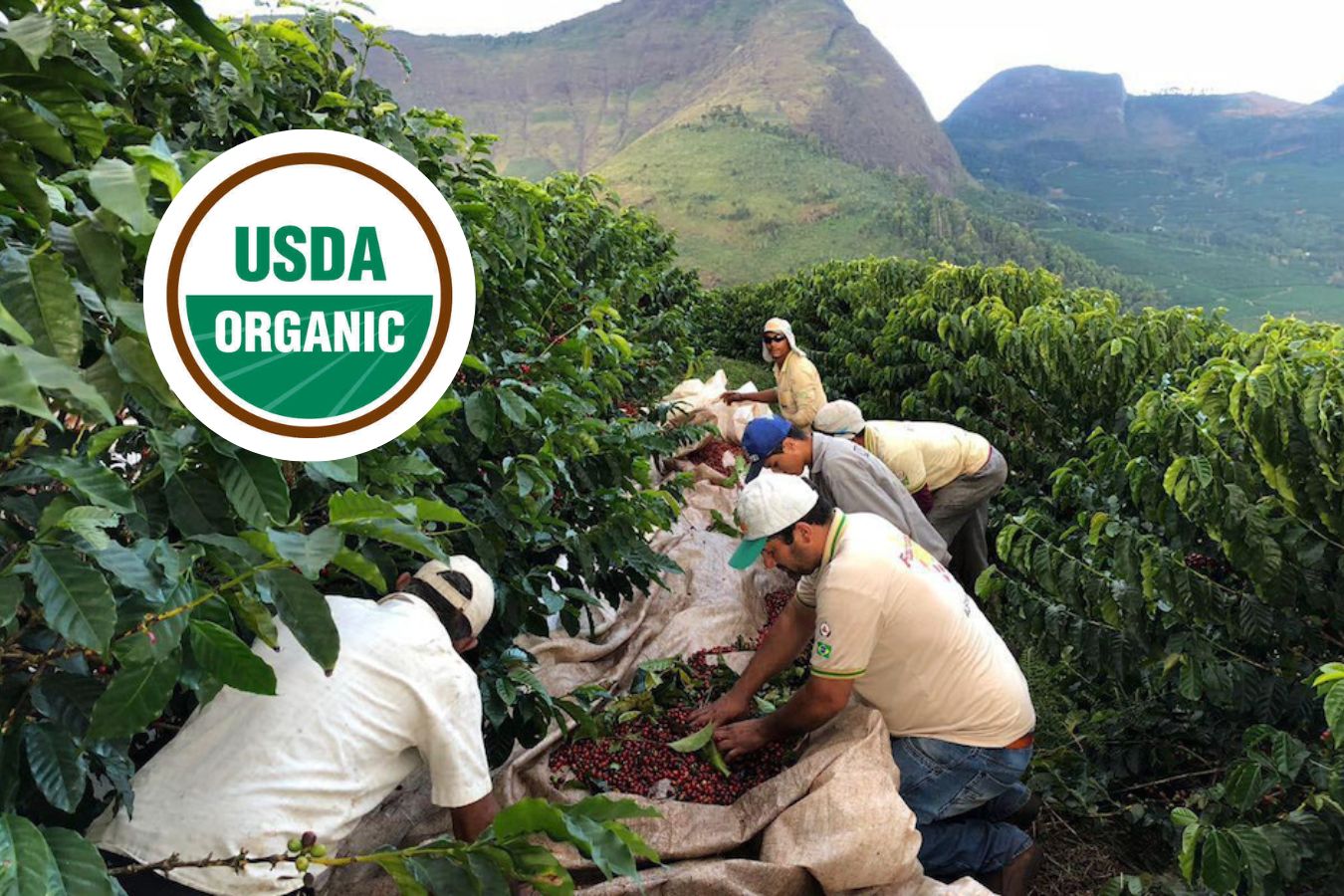
The US and European Union markets now regulate them through legislation such as the US Organic Produce Act of 1990 and the EU’s 1991 Organic Agriculture Regulations. Importing countries strictly regulate producing countries to strictly comply with the above laws before those products are recognized as organic products.
According to the Center for Tropical Agricultural Research and Teaching in Costa Rica (CATIE), 75% of the world’s organic coffee comes from Latin America. Additionally, several Asian and African countries produce organic coffee, including Indonesia and Ethiopia
Because of the higher costs associated with certification and lower yields due to “poorer” growing conditions (because no chemicals are added), organic coffee often costs more than non-organic coffee. Although many consumers appreciate the benefits not only for their own health but also for the health of farmers and the environment, there are still many downsides to organic coffee in addition to the benefits it brings. again.
Fair Trade Certification – Equal trade coffee
Fair Trade certification is used in at least 50 countries on thousands of products and many countries grow coffee. The purpose of certification is to improve living standards through Fair Trade. The Fair Trade program encourages coffee importing countries to pay higher than the standard market price for coffee with the goal of bringing higher profits to growers to raise living standards and improve working conditions. (eg occupational health and safety…) Encourage sustainable coffee farming practices.
In some cases within the coffee industry, the term is also known as Trade Fair Coffee, Fair Coffee Trade, and Fair Trade Certified.
The main purpose of Fair Trade is to provide farmers with a fair opportunity to improve their market position. In 1988, a Dutch NGO called Solidaridad launched the Max Havelaar certification system for Fair Trade coffee, later expanding it to other products, with the goal of bringing this coffee into mainstream supermarket channels. Then, in 1997, the Fair Trade Labeling Organization (FLO) was established to unite Fair Trade labeling initiatives in consumer countries.
There are currently 20 Fair Trade labeling initiatives operating across 21 countries, which has created a significant market for Fair Trade products. More than 240 cooperatives in 26 countries throughout Africa, Asia, and Latin America produce Fair Trade certified coffee.
Rainforest Alliance / UTZ
The Rainforest Alliance emerged in the early 1990s as a certification organization for environmentally friendly coffee, originally called Eco-OK but now known as “Rainforest Alliance Certified.” The mission of the Rainforest Alliance is to harmonize productive agricultural practices with biodiversity conservation and human development. The first certified coffee farm was established in 1996. As of now, 18 countries, including Vietnam, produce Rainforest Alliance certified coffee.
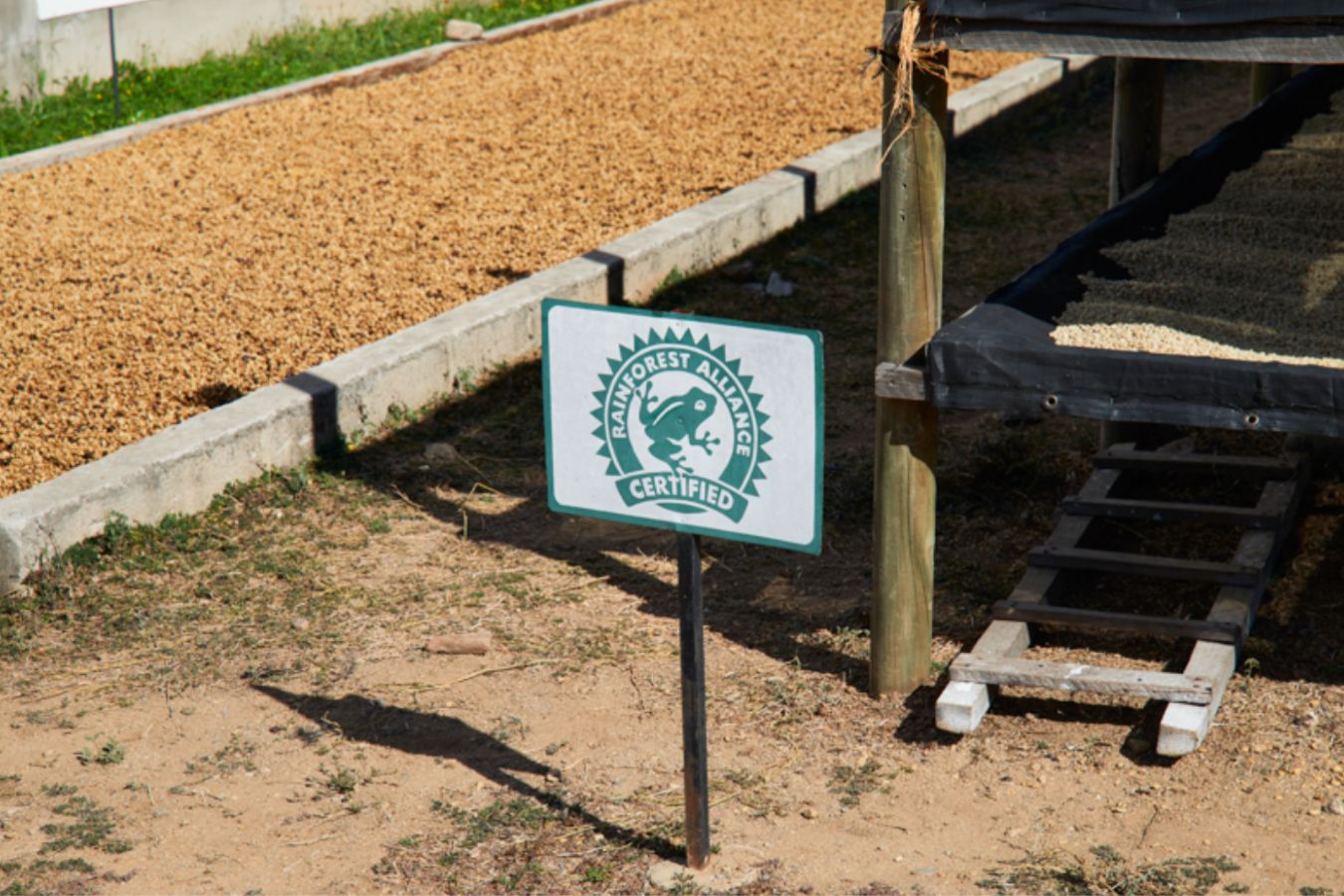
Rainforest Alliance / UTZ certification – Rainforest Alliance
In 2018, the Rainforest Alliance (RFA) merged with another certification program known as UTZ, which translates to “good coffee” in Mayan Quiché. UTZ certification was established in 2002 and focuses on a farm code of conduct that outlines standards for livestock and crop practices, as well as environmental and human rights considerations, alongside overall management standards. These standards are similar to those of the RFA. In 2020, the two organizations released a new set of combined standards, fully aligning their mission and vision under the unified name of Rainforest Alliance (or Rainforest Alliance/UTZ).
UTZ certification was established in 1997 by a Dutch retail company called Ahold in cooperation with Guatemalan coffee producers called UTZ Kapek. By 2000, UTZ became an independent organization, before changing its name. became “UTZ Certified Good Inside” in 2008.
4C Coffee Certification – Common Code for Coffee Community
The Common Code for Coffee Community – 4C (Common Code for Coffee Community) was formed by the German Coffee Association and the German government’s Agency for International Development (GTZ) to enhance sustainability in the chain. “Conventional” green coffee and increased amounts of coffee meet basic standards of sustainability.
Participating in the 4C initiative are manufacturers represented by associations, representatives of Trade Unions and non-governmental organizations (NGOs), large corporations in the industry such as Nestlé, Sara Lee/Douwe Egberts, Tchibo and Kraft…

4C works towards sustainable coffee supply chains and improving farmers’ livelihoods
4C builds on fundamental good agricultural and management practices. The Code of Conduct aims to eliminate unacceptable practices and encourage continuous improvement. Unlike the above certification systems, 4C only checks conformity and does not certify conformity, so it does not issue certificates. More specifically, the 4C audit is to consider compliance with the basic 4C standards, which include 28 indicators for a complex of environmental, social and economic concerns.
In the first operational year 2007/2008, in 21 countries, 4.5 million bags (60kg) of green coffee passed inspection for compliance with 4C standards.
Be aware that 4C does not allow the use of 4C labels or logos but does allow the use of the 4C membership statement on packaging. The membership statement has nothing to do with the quantity or quality of the coffee contained within but is a means for 4C Industry members to emphasize their support for the 4C Sustainable Approach. The 4C Association logo can be widely used on publications, websites, and brochures, but cannot be used on packaging.
Shade-Grown Coffee – Coffee grown in the shade
Shade-grown coffee is cultivated beneath the canopy of trees. These shade trees provide natural protection from the sun, help maintain a stable temperature range, and slow the growth of the coffee plants and their fruit. As a result, the coffee cherries develop with more nutrients, leading to denser beans and enhanced flavor.
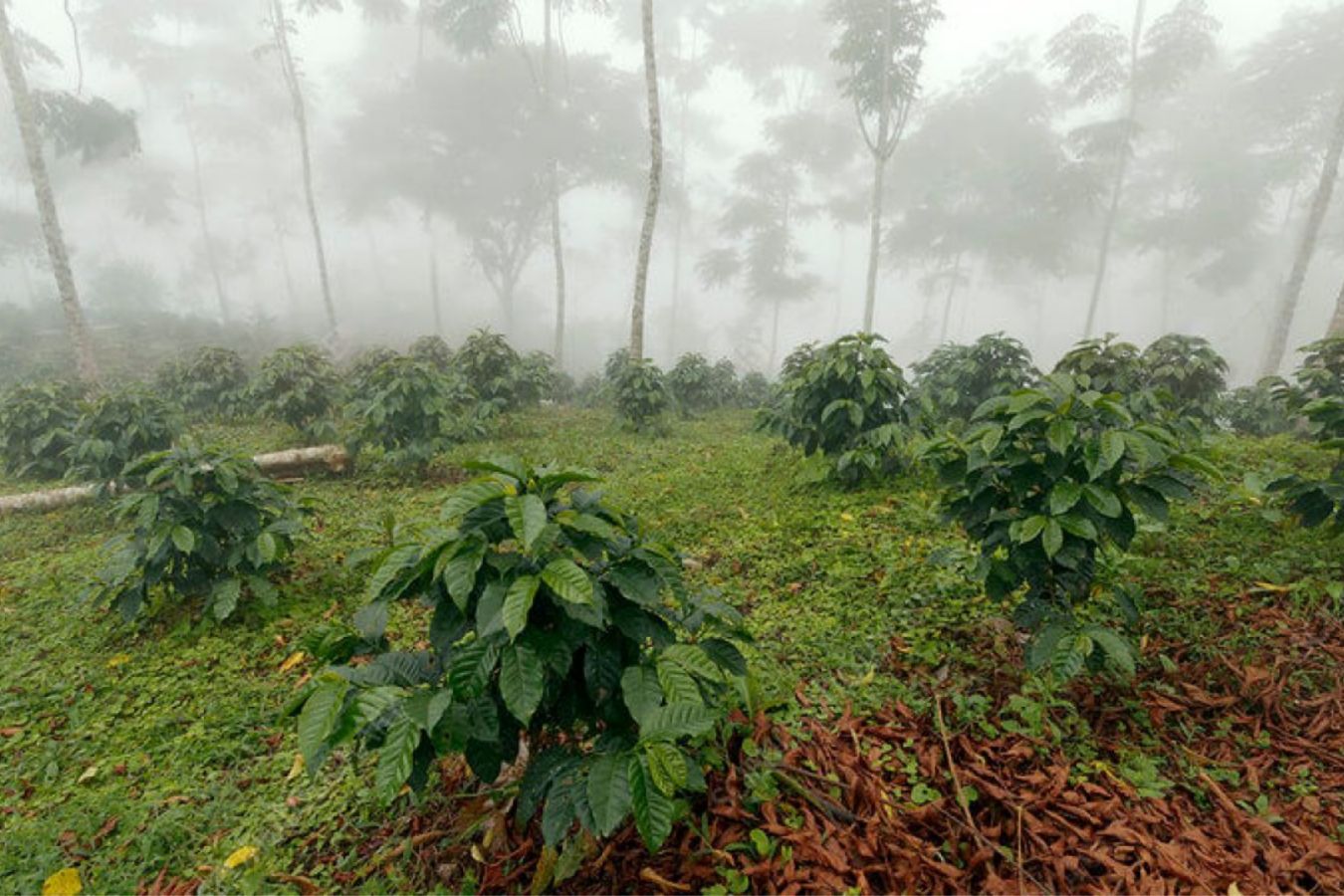
Shade-Grown Coffee It also requires organic care for coffee plants, so chemical fertilizers and pesticides will be eliminated. This brings results such as ensuring biodiversity, safety for the health of coffee farmers, protecting water sources and reducing the possibility of soil erosion, especially in high hills and rugged mountainous areas. Additionally, coffee plants with a slower growth process will ripen more slowly and produce a higher quality coffee bean.
In 2014, WWF found that 52% of the world’s biodiversity had disappeared. Fortunately, many coffee-growing regions have great biodiversity, and shade-grown coffee has the power to reverse, or at least slow, that trend.
Bird Friendly Coffee – Bird Friendly
Bird Friendly is a certification created by the Smithsonian Migratory Bird Center (Smithsonian Migratory Bird Center – SMBC). SMBC offers this certification to farmers to promote organic, shade-grown coffee and plays an important role in preserving habitat for Central and South American migratory bird populations. Bird Friendly was one of the first environmentally oriented certification programs for coffee and helped establish the environmental standards now used by other certifications.
Bird Friendly Coffee – Certified bird-friendly coffee
The criteria for shade in this certification program are more detailed than those in the Rainforest Alliance program. Bird-friendly certification requires at least 11 canopy tree species per hectare and the main canopy must be at least 40 feet tall. Additionally, the production area must have at least a 40 percent foliage forming three layers of forest, and the coffee must be certified organic.
Ultimately, the certifications above provide a variety of third-party assurances to consumers. They can endorse environmentally friendly farming methods and can move toward organic certification. They can ensure that no child labor is involved in coffee production. Some programs focus more on the prices paid to farmers. Certification programs often have different focuses, and we should educate ourselves on their differences to make personal choices based on the quality of the product and the focus of the program.