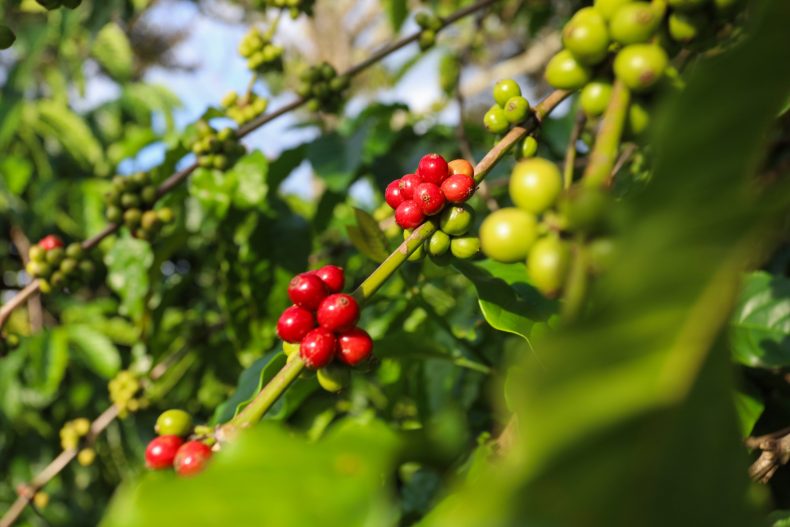
The global coffee industry is standing at a critical crossroads. On one side lies rising consumer demand for sustainability and transparency. On the other, millions of coffee farmers are facing mounting pressures from climate change, soil degradation, and volatile markets. In response, the Rainforest Alliance has introduced the new Regenerative Agriculture Certification, a program designed to go beyond sustainability and actively restore ecosystems while supporting farmers’ livelihoods.
This certification marks a pivotal moment not only for coffee but for the entire agricultural sector. Let’s explore why Regenerative Agriculture Certification is set to reshape the way we grow, trade, and consume coffee.
What is Regenerative Agriculture Certification?
Unlike traditional sustainability models, which often emphasize “doing less harm,” Regenerative Agriculture Certification aims to repair and restore ecosystems. It provides coffee farmers and companies with a science-based standard to measure and improve their impact across five key areas:
Soil health and fertility – building stronger soils that can withstand droughts and flooding.
Climate resilience – helping farms adapt to extreme weather and carbon fluctuations.
Biodiversity – promoting richer ecosystems with shade trees and wildlife protection.
Water stewardship – reducing contamination and preserving vital freshwater resources.
Livelihoods – ensuring coffee farmers can build sustainable, profitable futures.
Certified regenerative products will carry a distinct seal, making it easier for consumers to identify coffee that not only sustains but enriches the land it comes from.

Why Coffee Needs Regenerative Agriculture Now
Coffee is particularly vulnerable to climate change. Prolonged droughts, erratic rainfall, and rising temperatures have already reduced yields in many producing countries, including Brazil, Colombia, and Vietnam. According to the Rainforest Alliance, more than 70% of the world’s coffee is grown by smallholder farmers, many of whom lack the resources to adapt.
Without interventions like Regenerative Agriculture Certification, the coffee sector risks supply shortages, declining quality, and worsening farmer poverty.
Santiago Gowland, CEO of the Rainforest Alliance, put it clearly:
“Markets need to move beyond a ‘do no harm’ mindset to one that repairs and restores. Every cup of coffee should give back more than it takes from the land and the people who care for it.”
How the Certification Works
The Regenerative Agriculture Certification introduces a structured pathway for coffee farmers:
Implementation of regenerative practices such as shade-grown systems, composting, crop diversification, and organic inputs.
Independent auditing to ensure farms meet the standard’s strict requirements.
Certification seal awarded only after farms demonstrate measurable progress.
Already, farms in Brazil, Costa Rica, Mexico, and Nicaragua are adopting these standards. By 2026, consumers will begin seeing the first Rainforest Alliance Certified Regenerative coffee products on store shelves.
Benefits for Farmers and the Supply Chain
For coffee farmers, regenerative agriculture is not just an environmental initiative, it’s an economic lifeline. Research shows that regenerative farming can increase farmer incomes by 20% to 30%, thanks to improved yields, higher market premiums, and stronger resilience against climate shocks.
Key Benefits Include:
Better yields from healthier soil and biodiversity.
Market opportunities through certification, unlocking access to premium buyers.
Resilient livelihoods that reduce vulnerability to volatile global coffee prices.
For companies, sourcing certified regenerative coffee strengthens ESG performance, reduces supply chain risks, and helps meet growing consumer demand for ethical, traceable products.
Why Consumers Should Care
Every purchase is a vote for the kind of world we want. With Regenerative Agriculture Certification, coffee drinkers can feel confident that their choices directly support both farmers and ecosystems.
This is more than a label; it’s a promise of impact: restoring forests, protecting water, and improving the lives of farming families. As regenerative coffee becomes more available, consumers can shift from passive buyers to active participants in building a sustainable future.

Global Implications for Agriculture
Although coffee is the first crop covered under this certification, the Rainforest Alliance plans to expand the program to cocoa, citrus, and tea starting in 2026. This expansion demonstrates the scalable potential of regenerative agriculture as a global model for sustainable food systems.
By embedding regenerative practices into supply chains, the certification could reshape how entire industries from chocolate to fruit juice approach farming, trade, and consumer engagement.
Future Outlook: A New Era for Coffee
The launch of the Regenerative Agriculture Certification comes at a time of urgent need. With extreme weather, supply chain disruptions, and rising socioeconomic pressures threatening millions of farmers, regenerative agriculture offers a hopeful path forward.
For farmers, it provides the tools and incentives to restore their land and improve their livelihoods.
For companies, it secures resilient, high-quality supply chains.
For consumers, it ensures that every cup of coffee makes a positive difference.
As the first certified regenerative coffee products hit global markets in 2026, this initiative could become a defining shift in how coffee—and agriculture at large—is grown, traded, and consumed.

Conclusion
The Rainforest Alliance’s Regenerative Agriculture Certification is more than just a label; it’s a transformative movement. By setting clear, science-based standards and rewarding farmers who commit to restoring ecosystems, the certification is helping secure the future of coffee in an uncertain world.
As climate challenges intensify, regenerative agriculture may prove to be the lifeline that ensures both people and the planet can thrive together.
Every sip of Regenerative Agriculture Certified coffee will represent not just a beverage, but a bold step toward resilience, equity, and regeneration.
At Helena Coffee Vietnam, sustainability isn’t just a trend — it’s our guiding principle. From supporting farmers with fair practices to investing in eco-friendly processing, we align with global standards like Regenerative Agriculture Certification to ensure every cup of Helena coffee protects nature, empowers communities, and builds a stronger future for the coffee industry.
👉 Visit www.helenacoffee.vn or Info@helenacoffee.vn to explore our products and request a direct quote today!