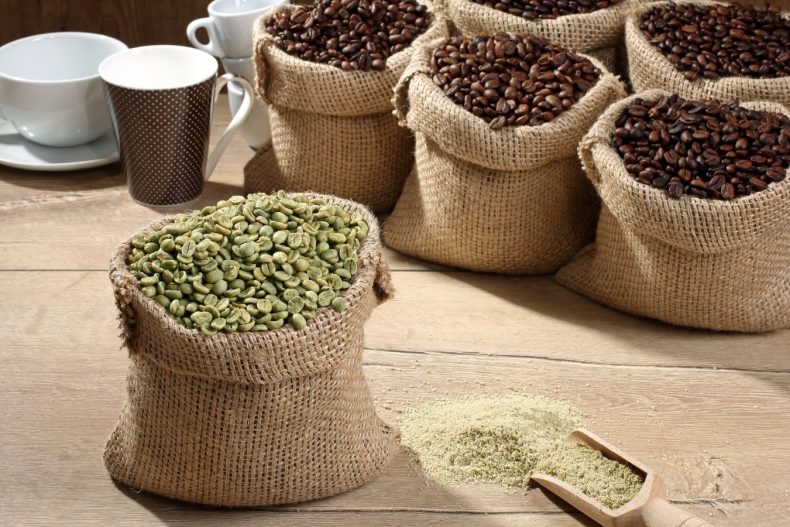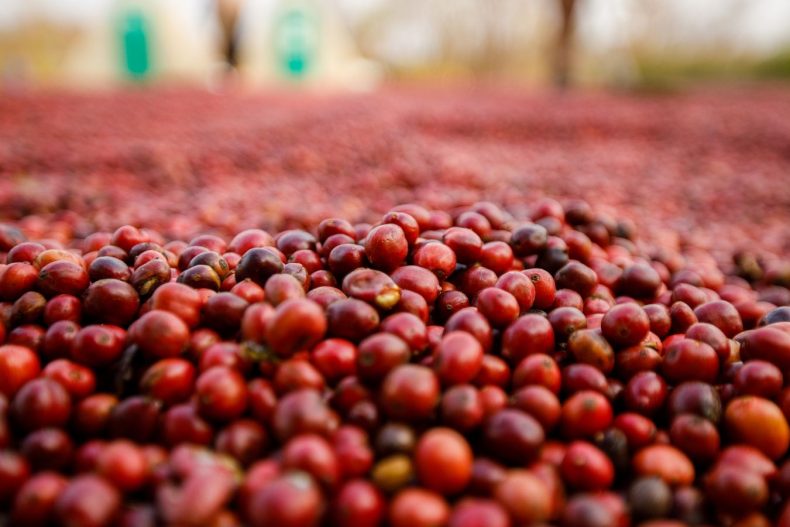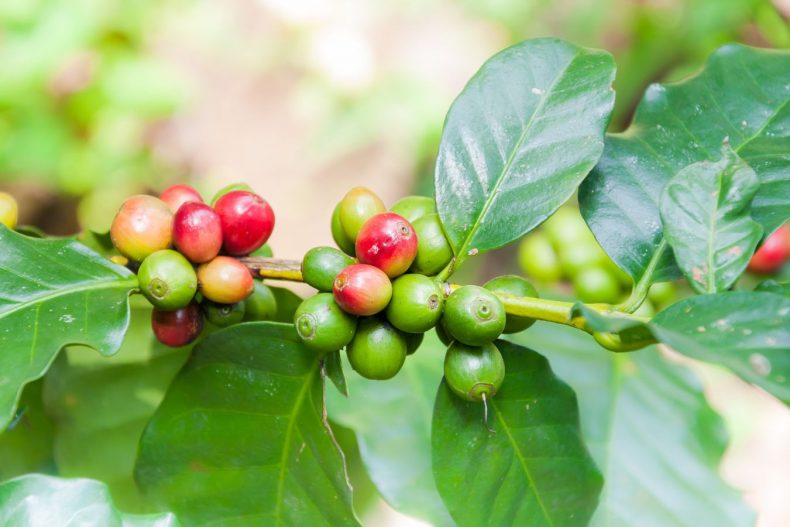
Coffee prices today, October 9, remain under downward pressure on the London and New York futures markets as supplies from Brazil increase. However, concerns about the potential impact of El Niño and drought risks in Central America are providing support to the market, particularly as global coffee production prospects for the 2027–2028 crop year remain uncertain.
1. Global Coffee Prices Today, October 9
According to trading data from October 8, Robusta and Arabica coffee futures both declined compared with the previous session.
Robusta Coffee Prices on the London Exchange
Arabica Coffee Prices on the New York Exchange
The March 2027 Arabica contract dropped by 3.65 US cents per pound, or 1.25%, to 289.05 US cents per pound. The May 2027 contract also fell by 3.55 US cents per pound to 281.35 US cents per pound.
These movements indicate continued selling pressure across international coffee markets. However, uncertainties surrounding supply in upcoming crop years could contribute to further price volatility.
2. Rising Brazilian Supply Puts Pressure on Coffee Prices
According to Reuters, Brazil’s green coffee exports in September reached their highest level in 20 months. This was one of the main factors weighing on Arabica prices, as supply from the world’s largest coffee-producing country improved.
During the first 11 months of the 2025–2026 coffee year, from October 2025 to August 2026, global coffee exports totaled 130.81 million bags, representing a 1.1% increase from the same period of the previous crop year.
Notably, Robusta exports over the 12 months ending August 2026 rose to 61.05 million bags, compared with 54.48 million bags a year earlier. Meanwhile, Arabica exports declined from 85.97 million bags to 81.39 million bags.
These figures indicate improving export availability for Robusta, while Arabica supply follows a different trend. The divergence between the two coffee varieties remains an important factor to monitor when assessing market direction.
3. El Niño and Drought Risks Provide Support for Coffee Prices
Alongside supply pressure, the market is increasingly concerned about the potential impact of El Niño on global coffee production during the 2027–2028 crop year.
In Central America, unusually dry conditions are raising concerns about future harvests. Honduras and Guatemala, which together account for approximately two-thirds of Central American coffee production, forecast that output in the 2026–2027 crop year could decline by 7% and 10%, respectively.
According to Reuters data, coffee differentials in Honduras, Guatemala, El Salvador, and Nicaragua have risen to their highest or near-highest levels in more than three years. These premiums reflect concerns about regional supply and changing supply-demand dynamics.
Central America accounts for approximately 15% of global Arabica supply. If drought conditions persist and production forecasts are revised further downward, Arabica availability could tighten, potentially supporting futures prices.
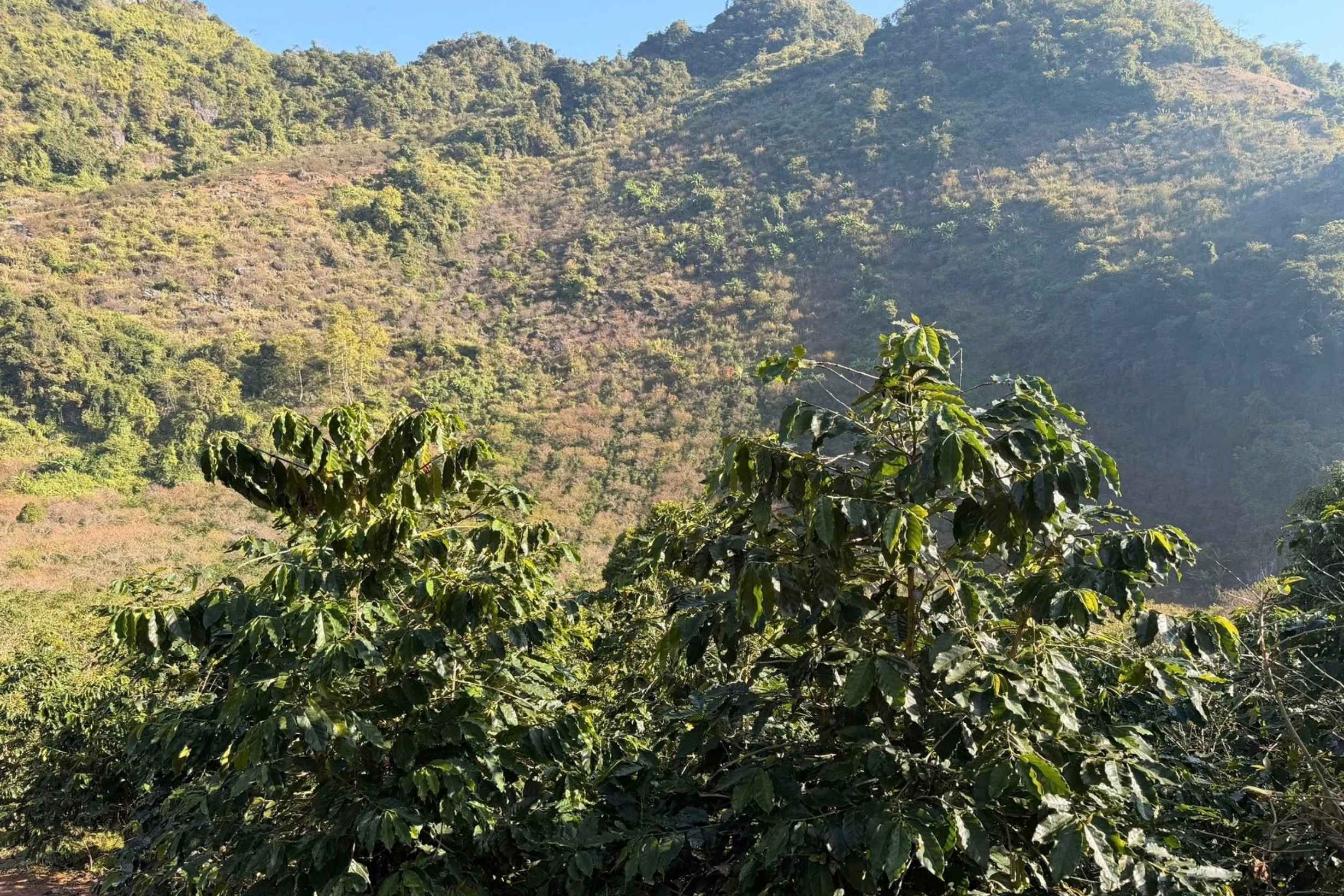
4. Coffee Market Outlook and Price Trends
In the short term, coffee prices may remain under pressure from increased Brazilian supply and profit-taking in futures markets. Conversely, weather-related risks in Central America and concerns about production in upcoming crop years could limit further declines.
For coffee importers, exporters, and roasters, monitoring futures prices, physical supply conditions, and origin-specific differentials can provide a more comprehensive understanding of market developments.
Helena Coffee Vietnam recommends that businesses regularly monitor Robusta and Arabica prices, crop conditions, and import demand to support informed purchasing decisions. In a volatile market, balancing quality requirements, supply availability, and purchasing timing is essential for effective risk management.
👉 Visit www.helenacoffee.vn or Info@helenacoffee.vn to explore our products and request a direct quote today!