For decades, the Specialty Coffee Association (SCA) has been one of the most influential organizations in the global coffee industry. Known for shaping coffee standards, promoting education, and fostering international collaboration, the SCA became synonymous with the rise of specialty coffee. But as the coffee market evolves into a multibillion-dollar global industry, questions arise: Has the SCA stayed true to its mission, or is it shifting towards broader, more commercial objectives?
The Evolution of the SCA
Originally founded as a rallying point for small coffee roasters, independent cafés, and producers committed to exceptional coffee, the SCA’s roots were firmly planted in community values. The organization aimed to champion high-quality coffee, equitable trade practices, and sustainable growth within the industry.
Today, however, the SCA operates on a much larger scale. It hosts multiple World of Coffee events each year across different continents, bringing together major multinational corporations, equipment manufacturers, indie roasters, and baristas under one umbrella. Its website now describes the SCA as “the largest global coffee trade association dedicated to making coffee better by fostering a global coffee community and supporting activities to make specialty coffee a thriving, equitable, and sustainable endeavor for the entire value chain.”
This shift toward inclusivity and expansion has raised concerns among long-time members. Can an organization serving both small specialty roasters and large commercial enterprises equally champion specialty coffee’s original mission?
The Debate Over Standards and Quality
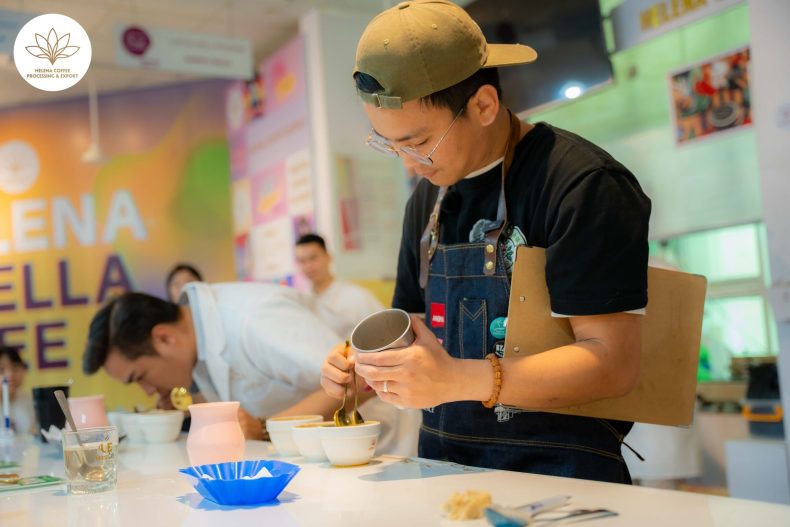
A significant point of contention revolves around the SCA’s cupping protocols. For years, the association’s strict 100-point scoring system was central to defining what qualifies as specialty coffee. Recently, however, the SCA introduced a new framework known as the Coffee Value Assessment (CVA).
Supporters argue that this new system modernizes coffee evaluation, offering a more holistic view of flavor and context. It recognizes the cultural diversity of coffee production and consumption, moving beyond rigid, Western-centric standards.
Critics, however, claim that the CVA blurs the lines between specialty and commodity coffee. By making evaluation more subjective and less tied to numerical scores, it risks diluting the meaning of specialty coffee altogether. Some industry professionals worry that this shift favors larger commercial players, making it easier for them to market products as “specialty” without adhering to strict quality benchmarks.

Expansion vs. Identity: A Strategic Crossroads
The SCA’s growth strategy is clear. With global coffee consumption projected to rise, particularly in emerging markets like India, China, and the Middle East, the association is actively expanding its footprint. Hosting multiple World of Coffee trade shows and forging international partnerships allows the SCA to engage more producers, roasters, and consumers worldwide.
While this expansion increases visibility and inclusivity, it also risks losing the distinctive identity that set specialty coffee apart in the first place. In its early years, the SCA focused on elevating small, quality-driven businesses and fostering deep connections between producers and roasters. Today, some argue that the organization is more focused on scale and revenue generation through trade shows and corporate memberships.
Coffee consultant Christopher Feran notes, “It’s a contradiction to be both niche and mass-market. Specialty coffee has always relied on the scale of the overall coffee industry to thrive, but the SCA now seems more interested in promoting coffee broadly rather than guarding specialty’s distinctiveness.”
A Broader Definition of Specialty?
As definitions of quality evolve, the SCA appears to be embracing a broader understanding of coffee value. The revised cupping forms and the introduction of CVA suggest an organization adapting to a more inclusive, diverse market. Rather than acting as a gatekeeper of elite quality, the SCA is positioning itself as a facilitator of collaboration across the entire coffee spectrum.
Some see this as progress. The global coffee industry has changed dramatically since the SCA’s founding, with consumers demanding new experiences and producers innovating with processing methods and varietals. Maintaining a narrow definition of specialty might no longer serve the realities of today’s market.
Others believe this broader approach undermines the very concept of specialty coffee, making it harder for producers of exceptional quality to stand out and secure higher prices. Without clear, enforceable standards, specialty coffee risks becoming just another marketing term.
Achievements and Ongoing Contributions
Despite the controversy, the SCA has undeniably contributed to the advancement of the coffee industry:

Standardizing barista and brewing education globally
Organizing world-renowned competitions, including the World Barista Championship
Supporting research initiatives that advance coffee science and sustainability
Connecting stakeholders from across the supply chain through trade shows and events
In emerging markets where coffee culture is still developing, the SCA’s efforts have been instrumental in professionalizing the industry and fostering interest in quality coffee.
The Future Role of SCA in Specialty Coffee
The Specialty Coffee Association now faces a crucial challenge: balancing its global growth ambitions with its foundational mission to champion exceptional, ethically sourced coffee.
As the meaning of specialty coffee continues to evolve, the SCA must decide whether to:
Reaffirm strict quality standards to preserve the uniqueness of specialty coffee
Fully embrace inclusivity and scale, promoting coffee broadly rather than focusing on niche excellence
Find a middle ground, maintaining high standards while fostering diversity and innovation
Christopher Feran suggests the industry may be circling back to its origins: “Early founders believed in keeping the romance in coffee rather than enforcing rigid standards. In many ways, today’s changes bring us back to that ethos—a broader appreciation of coffee without strict definitions.”

Conclusion: Relevance Through Adaptation
The SCA remains a powerful force shaping the global coffee sector. Its influence on education, research, and networking is unmatched. However, its transformation from a niche advocate for specialty coffee to a global trade association raises valid questions about its evolving identity.
Whether this shift is viewed as necessary adaptation or mission drift, one thing is clear: the SCA will continue to play a central role in how coffee is defined, valued, and consumed worldwide. Its challenge lies in ensuring that as it grows and diversifies, it does not lose sight of the values and quality standards that gave birth to specialty coffee.
Helena Coffee – Elevating Vietnamese Specialty Coffee to Global Standards
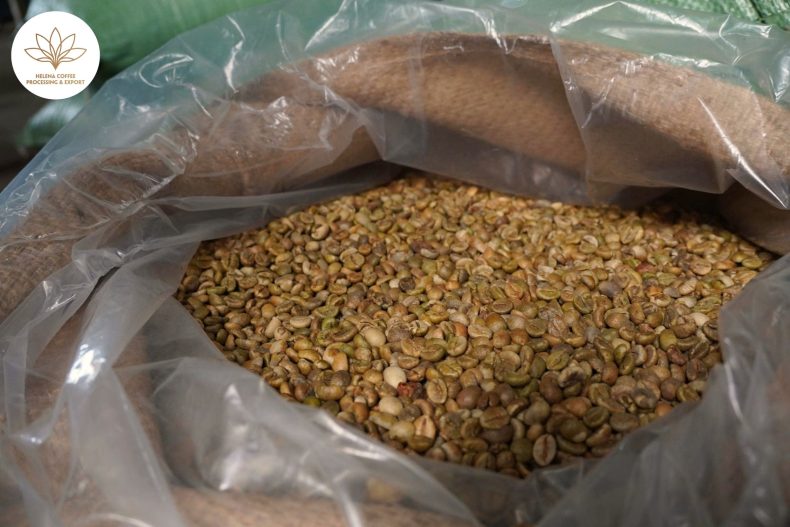
At Helena Coffee, we share the same commitment to quality and sustainability that has shaped specialty coffee worldwide. From ethically sourced green beans to expertly crafted instant and roasted coffee, we follow strict international standards – ensuring every batch meets the demands of top roasters, cafés, and buyers globally. With Helena Coffee, you’re not just buying coffee – you’re partnering with a trusted producer dedicated to transparency, innovation, and long-term collaboration.
Helena Coffee – From Vietnam’s Highlands to the World’s Specialty Coffee Community.
👉 Visit www.helenacoffee.vn or Info@helenacoffee.vn to explore our products and request a direct quote today!