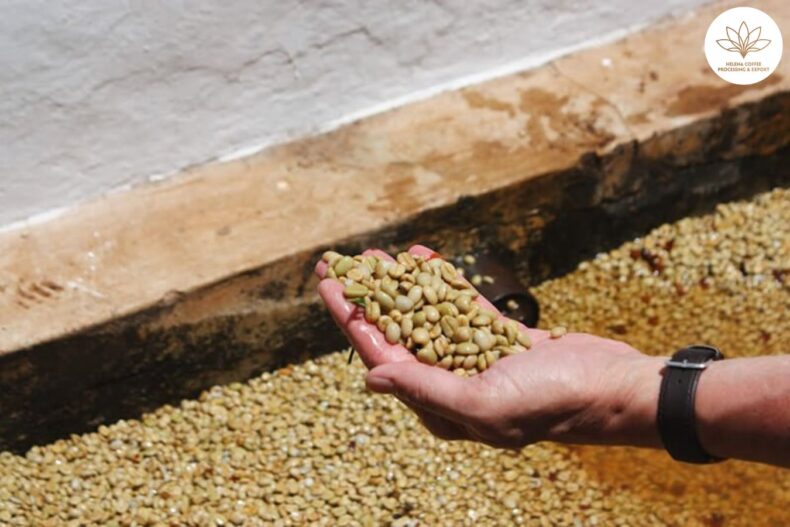
The wet processing method, often known as the “washed process” has long been one of the most highly regarded techniques in the coffee world. For decades, it has been celebrated for its ability to bring out the clean, bright, and complex flavors of the coffee bean, showcasing the terroir and varietal more clearly than other methods. But in today’s ever-evolving specialty coffee landscape—where experimentation is thriving and consumer preferences are diversifying—the question arises: Is wet processing still the leading standard, or is it being gradually eclipsed by new techniques?
What Makes Wet Processing So Popular?
Wet processing became widely adopted in the early 20th century, particularly in coffee-growing regions with access to abundant water resources. The technique involves removing the outer fruit layer of the coffee cherry before drying the beans, reducing the chance of over-fermentation and resulting in a more consistent flavor profile.
Key benefits include:
- Clean, crisp flavor: Washed coffees often display floral and citrusy notes, high acidity, and a clean aftertaste, making them ideal for highlighting the unique characteristics of a specific origin.
- Consistency: Because the process is more controlled, washed coffees tend to have stable flavor profiles year after year, which is highly valued by both roasters and consumers.
- Ease of roasting and brewing: The clarity and balance of wet-processed coffee make it a flexible choice for a variety of roast levels and brewing methods.

Innovation and the Rise of Alternative Processing Methods
In recent years, alternative coffee processing methods have gained traction, driven by both producers’ desire to differentiate their product and consumers’ growing appetite for unique flavor experiences. These include:
- Natural (Dry) Process: The oldest method, which involves drying the whole cherry, is being revived with modern improvements. Naturals often have fruity, wine-like notes and fuller body.
- Honey Process: A hybrid approach where some mucilage is left on the bean during drying. It offers a sweet and complex cup, somewhere between washed and natural.
- Experimental Fermentations: Methods like anaerobic fermentation, carbonic maceration, lactic fermentation, and thermal shock have emerged, inspired by wine-making and food science. These often produce bold, funky, and unpredictable flavor profiles.

As these new methods grow in popularity, especially among younger, adventurous drinkers, the role of wet processing is evolving.
Are Specialty Coffees Moving Away from Wet Processing?
Not necessarily. While alternative methods may be stealing the spotlight in competitions and boutique cafés, wet processing continues to be a cornerstone of many specialty coffee programs. It remains the preferred choice for producers and buyers aiming to showcase clarity, complexity, and terroir in a reliable and accessible way.
However, shifting dynamics in cost, environmental sustainability, and market demand are driving producers to explore new techniques:
Water Usage: Wet processing requires significant water resources, which poses a challenge in drought-prone regions or where climate change is impacting water availability.
Cost and Infrastructure: Building and maintaining wet mills is expensive. Smallholder farmers may opt for natural or honey processes, which require less infrastructure.
Premium Pricing for Alternative Methods: Specialty natural and anaerobic coffees often command higher prices, making them attractive options for producers willing to take on the extra risk.
The Case for Revitalizing Wet Processing
To maintain and expand the role of wet processing, the industry must invest in infrastructure and education. Modernizing wet mills and offering premium incentives for ripe cherry deliveries can ensure higher-quality output and improve income for farmers. Furthermore, combining wet processing with precision fermentation techniques could create new flavor opportunities while preserving the method’s hallmark clarity.

Examples from Ethiopia’s Cup of Excellence competitions and other global auctions show that washed coffees continue to perform exceptionally well and command high prices. Yet, there is growing experimentation and a blurring of lines between traditional categories. This duality reflects a healthy evolution of the coffee world.
Looking Ahead: A Balanced Future
The future of coffee processing is not about replacing wet processing, but expanding the toolkit available to producers. Wet, natural, honey, and experimental methods each offer distinct benefits and cater to different markets. As sustainability becomes a larger concern and consumers seek more transparency and traceability, the ability to adapt and innovate will be key.
Wet processing will likely remain a mainstay—especially in regions where it is already well-established—but it will increasingly coexist with other methods in a more diversified specialty coffee ecosystem.
Conclusion
Wet processing has not lost its relevance. It continues to produce high-quality, nuanced coffees that are beloved by roasters and drinkers alike. However, the rise of new techniques has reshaped what it means to produce “specialty” coffee. Rather than viewing it as a binary choice, the coffee industry is embracing diversity—recognizing that different processes serve different purposes.
In this ever-changing landscape, wet processing remains a vital foundation, offering stability and clarity while allowing room for innovation and experimentation. For producers, roasters, and consumers, the real opportunity lies in understanding and leveraging each method’s strengths to tell richer, more flavorful coffee stories.
Are you using wet-processed coffee? Share your experience with Helena Coffee!