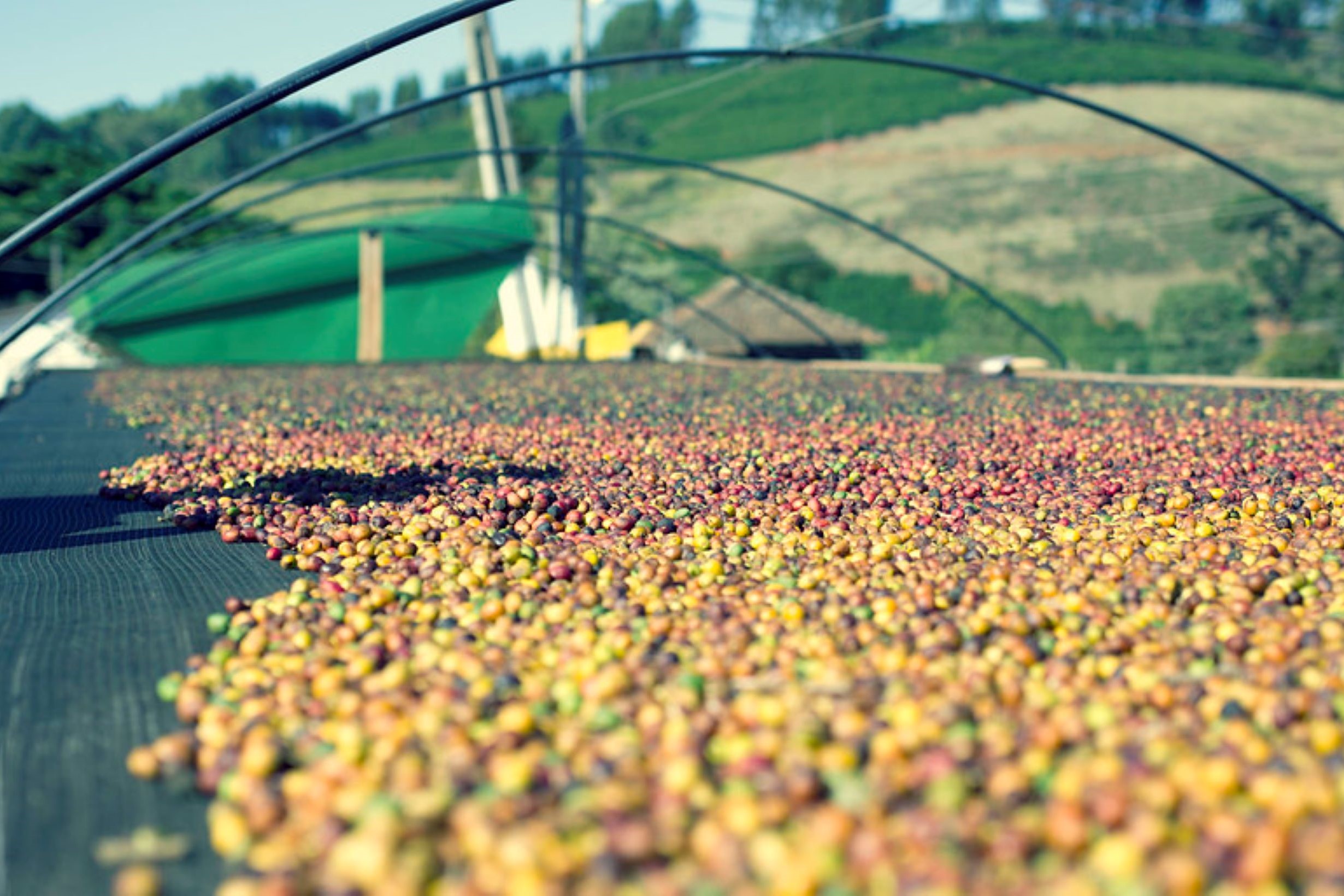
Specialty coffee is no longer a niche trend—it has become a global movement. Yet one question keeps popping up: Why does it cost so much? With some cups priced 3–5 times higher than regular coffee, many wonder if the value justifies the cost. Let’s explore what makes specialty coffee more expensive, and why millions of people are happy to pay more for it.
Specialty Coffee vs. Commodity Coffee
Coffee has historically been treated as a commodity, traded globally like rice or wheat. Prices for commodity-grade green coffee fluctuate constantly on international stock exchanges. In contrast, specialty coffee which accounts for just 4% of the global market is judged by much higher standards: quality, traceability, sustainability, and ethics.
From the farm to the cup, every step in the specialty coffee supply chain is more complex and costly.
The Cost of Quality Starts at the Farm
Arabica Over Robusta
Specialty coffee primarily uses Arabica beans, which are more delicate, require higher altitudes, and need ideal soil and climate conditions. They produce richer and more complex flavor profiles, but are more labor-intensive and expensive to grow than Robusta.
Strict Quality Control
Each batch is meticulously sorted, screened, and scored often multiple times. Beans that fail to meet quality benchmarks are discarded. Standards set by the SCA (Specialty Coffee Association) and CQI (Coffee Quality Institute) ensure that only the finest beans make it to your cup.
Experimentation & Innovation
Specialty coffee producers constantly invest in new techniques: fermentation methods, drying innovations, and post-harvest handling that enhances flavor. Unlike large commercial farms, which prioritize quantity, specialty farms are like craft studios focused on creating standout lots.

Transparency and Ethical Sourcing
Consumers today are more conscious about where their coffee comes from. Specialty brands often share detailed origin stories, support direct trade relationships, and prioritize ethical sourcing. This builds trust—and adds to the cost.
✔️ Many are willing to pay more for:
Fair Trade & Organic certifications
Coffee from women-led cooperatives
Farms that invest in community development (schools, clinics, clean water)
According to surveys, consumers are willing to pay $1.36 more per pound for sustainably grown, ethically sourced coffee.
Craftsmanship Beyond the Farm
Even after the coffee is harvested, the journey is far from over.
Specialty coffee is roasted in small batches to preserve and highlight the unique flavor profiles of each origin. Baristas are true artisans mastering extraction ratios, brew time, grind size, and every detail needed to craft a cup that meets the highest standards.

Personalization and Premium Experiences
At Helena Coffee, we believe a great cup of coffee isn’t just a beverage it’s a personalized experience tailored to your taste. With specialty coffee, you have the freedom to choose from the origin and roast profile to the brewing method something commercial coffee simply can’t offer.
As part of the Third Wave movement, coffee is evolving beyond quality alone. It’s about the ambiance, the connection, and the story behind every cup. From thoughtfully designed spaces to passionate baristas who truly understand the craft, every detail contributes to the elevated value of specialty coffee.
Why are customers willing to pay more?
According to empower.com, 62% of millennials are willing to spend $7 per day on coffee—not just for caffeine, but for joy, identity, and experience.
The SCA divides coffee consumers into two groups:
Acceptors (70%): They want a consistently enjoyable experience and are happy to pay more for it.
Connoisseurs (30%): They care deeply about origin, roast profile, and flavor notes.
For both, price reflects perceived value and that value includes ethics, flavor, personalization, and experience.
Can Specialty Coffee Be More Affordable?
Not everyone is willing (or able) to pay 5–10x more for a cup of coffee—and that’s okay. Mass-market chains still dominate due to affordability and consistency. But the future of specialty coffee depends on making its value clear—not just through emotional storytelling, but through genuine quality, transparency, and fairness.
Conclusion: You’re Not Just Paying for Coffee
When you pay more for specialty coffee, you’re not just buying a drink—you’re investing in:
Higher farming standards
Environmental protection
Fair wages
Unique flavor experiences
A sustainable future for the coffee industry
In the end, not all expensive coffee is specialty, but all true specialty coffee is worth more for reasons beyond the cup.
Ready to try specialty coffee? Explore Helena Coffee’s curated selection of fine Robusta and Arabica—from single-origin farms to your cup.