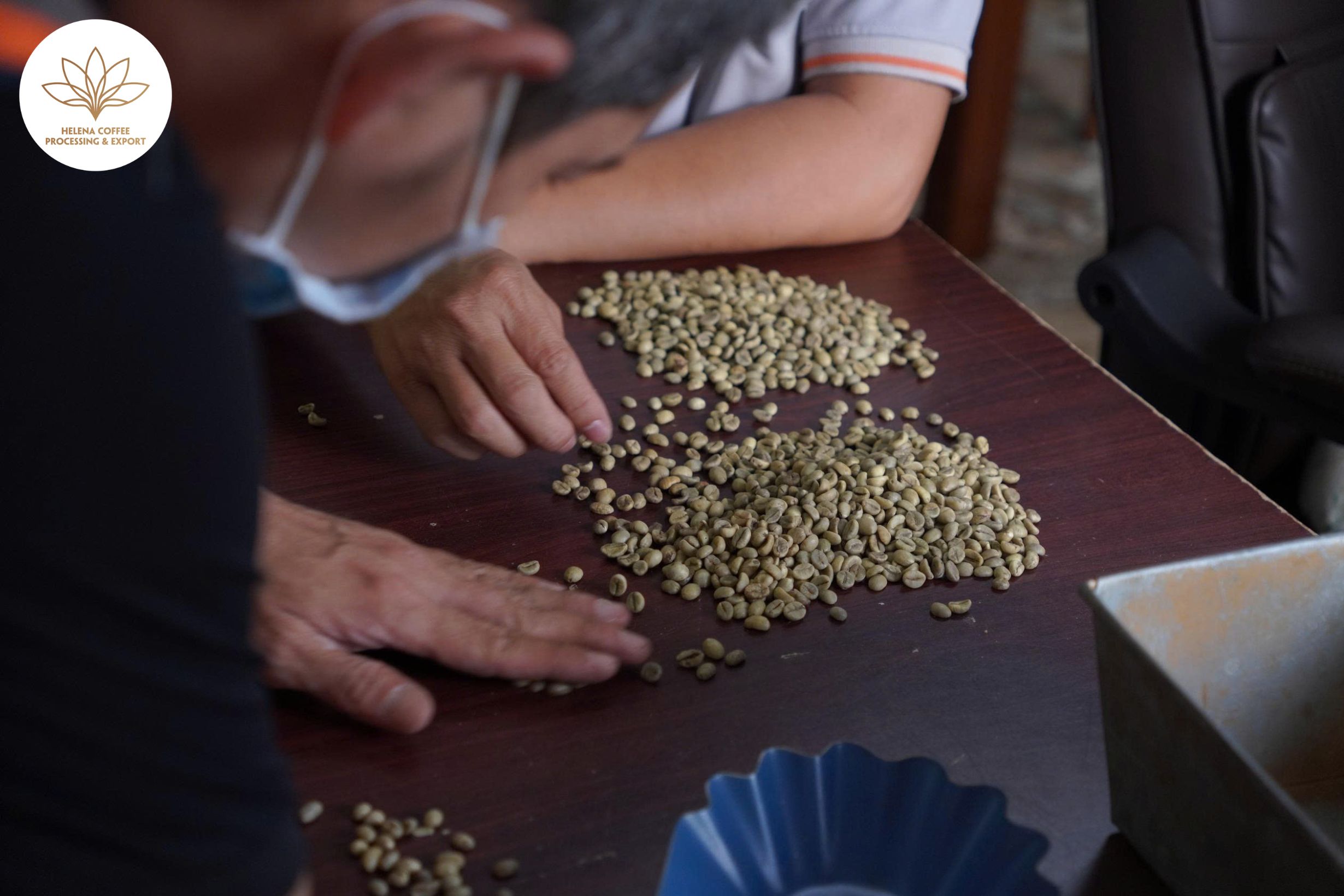
On the international coffee market, classifications such as Kenya AA, Ethiopia G1, and Colombia Supremo help buyers identify coffee grades according to each country’s classification system. Beyond facilitating commercial transactions, these systems contribute to how coffee is evaluated and recognized by origin.
So, where does Vietnam’s coffee grading system stand today? How can existing standards help increase the value and global competitiveness of Vietnamese coffee?
1. Introduction – Replace the First Two Paragraphs
On the international coffee market, classifications such as Kenya AA, Ethiopia G1, and Colombia Supremo help buyers identify coffee grades according to each country’s classification system. These systems support commercial transactions and influence how coffee is evaluated and recognized by origin.
So, where does Vietnam’s coffee grading system stand today? Understanding Vietnam’s coffee grading system helps importers, roasters, and manufacturers assess green coffee beans based on screen size, physical quality, and processing methods. These criteria can also help increase the value and global competitiveness of Vietnamese coffee.
2. Vietnam’s Coffee Grading System: Three Key Classification Criteria
Vietnam is one of the world’s major coffee producers and exporters, particularly of Robusta. In commercial transactions, Vietnamese green coffee is commonly described through a combination of screen size, physical quality specifications, and processing methods.
Classification by Bean Size (Screen Size)
Coffee screen size is commonly expressed in units of 1/64 of an inch. It is one of the most familiar specifications in green coffee trading.
- Screen 18 (S18): A nominal screen aperture of 18/64 inch, approximately 7.14 mm. S18 coffee is commonly used in specifications for larger beans. Certain export contracts require more than 90% of the beans to meet or exceed this screen size.
- Screen 16 (S16): A nominal aperture of 16/64 inch, approximately 6.35 mm. This is a common commercial grade used in roasting and blending applications.
- Screen 13 (S13): A nominal aperture of 13/64 inch, approximately 5.16 mm. Smaller beans may be used in different processing applications, including soluble coffee production, depending on the buyer’s specifications.
Screen size indicates the physical dimensions of the beans, not their overall quality. A larger bean is not necessarily better in flavor, and the required screen distribution depends on the product specification and intended application.
Classification by Quality Grade
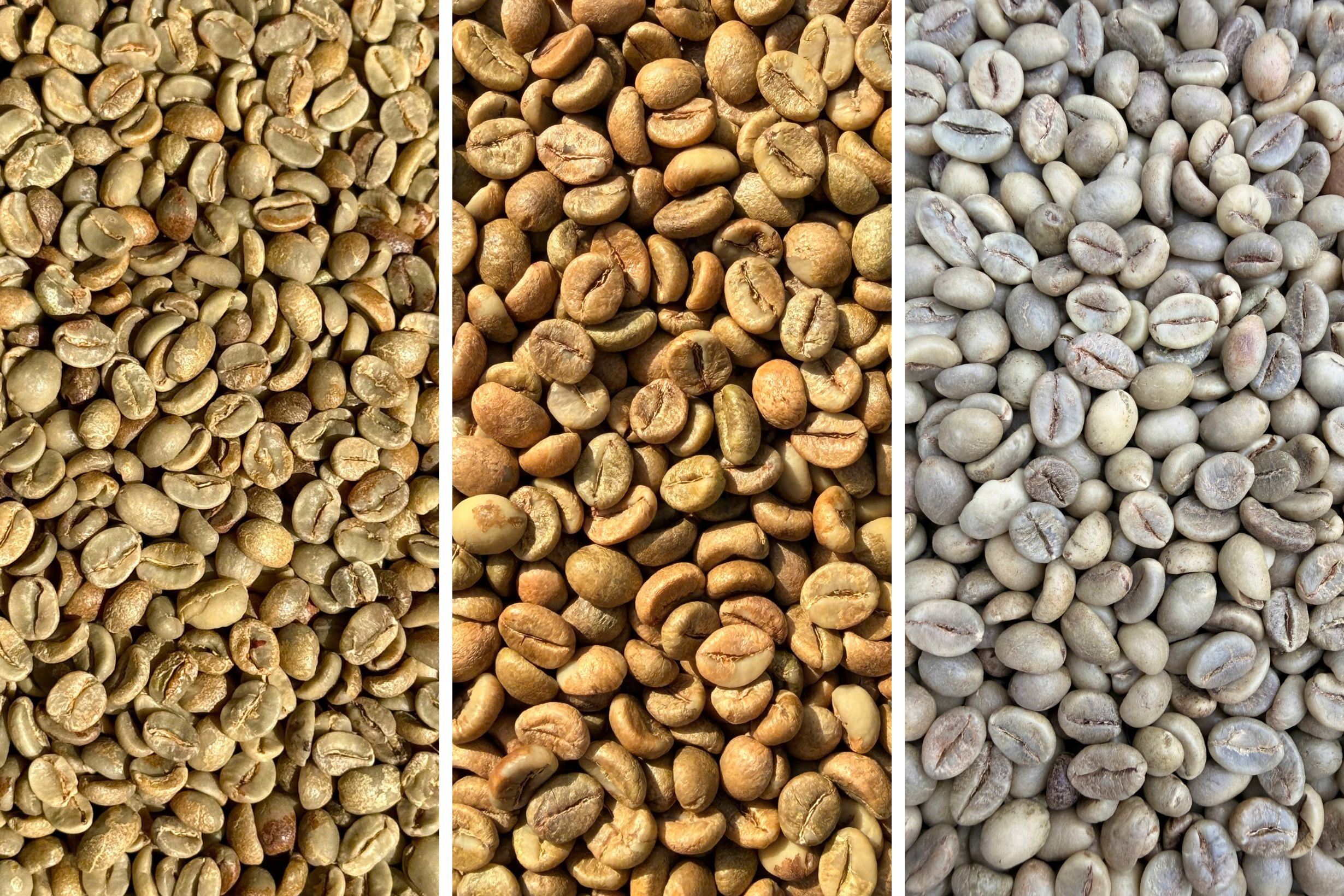
Physical quality grading evaluates characteristics such as black beans, broken beans, insect damage, foreign matter, and moisture content.
Commercial specifications may include the following categories:
- Grade 1: Generally associated with stricter physical quality requirements and lower permitted defect levels.
- Grade 2: Allows higher defect tolerances than Grade 1 under the relevant specification.
- Grade 3: May allow higher defect levels and serve particular domestic or industrial applications, depending on buyer requirements.
For export transactions, moisture content is often specified at a maximum of 12.5% or 13%, depending on the contract and applicable standard. Defect tolerances also vary by coffee type and grading system.
It is important to note that Grade 1, Grade 2, and Grade 3 should not be treated as universal classifications with identical limits across all Vietnamese coffee products. Buyers and suppliers should confirm the applicable standard and inspect the detailed specifications before concluding a transaction.
Classification by Processing Method
Processing methods influence the physical characteristics and potential flavor profile of green coffee.
- Unwashed / Natural: The coffee cherries are dried with the fruit surrounding the beans before hulling. This method is widely used for Robusta in Vietnam and can contribute to fruity or sweet flavor characteristics, depending on drying and processing conditions.
- Washed / Fully Washed: The fruit and mucilage are removed through a wet-processing procedure before drying. This method can produce a cleaner and more defined sensory profile when properly managed.
- Wet Polished (WP): A processing or finishing method used for certain commercial green coffee specifications. It involves wet polishing to improve the surface appearance of the beans. Its exact processing requirements and resulting characteristics depend on the producer and contract specification.
Processing method is not, by itself, a quality grade. The final result also depends on raw material quality, fermentation where applicable, drying, storage, and quality control.
3. Why Does Vietnam Need a More Standardized Coffee Grading System?
A clear and consistent grading framework can deliver several benefits to Vietnam’s coffee industry.
First, it improves transparency in trade. Standardized specifications help buyers compare coffee lots, assess compliance, and establish clear contractual expectations.
Second, it strengthens international recognition. Combining physical grades with information about growing regions, varieties, and processing methods can help Vietnamese coffee develop a more distinctive commercial identity.
Third, it supports higher-value market segments. Sensory evaluation (cupping), traceability, and consistent product specifications allow buyers to assess value beyond bean size and physical appearance.
The goal is not simply to introduce a new grading label. It is to establish stronger connections between technical standards, actual product quality, traceable origin, and market expectations.
4. Helena Coffee Vietnam: Supporting the Quality of Vietnamese Coffee
An effective grading system must be supported by transparent quality control and reliable product specifications. This is the foundation on which Helena Coffee Vietnam connects Vietnamese coffee with international importers, roasters, and B2B partners.
Helena Coffee supplies Vietnamese green Robusta and Arabica from established growing regions, including Dak Lak and Lam Dong. Products are selected and evaluated according to the technical requirements applicable to each product line and customer order.
Depending on the specification, quality assessment may include moisture content, screen size, defect rates, processing method, and sensory evaluation where appropriate. These checks help buyers understand the characteristics of each lot and support more consistent purchasing decisions.
For importers and roasters seeking reliable Vietnamese coffee suppliers, clear specifications and transparent communication are essential to building long-term business relationships.
As Vietnam continues to strengthen its position in the global coffee industry, quality standardization will remain an important foundation for creating value beyond volume.
👉 Visit www.helenacoffee.vn or Info@helenacoffee.vn to explore our products and request a direct quote today!
