



Wet Polished Robusta Green Coffee Beans S18/S16 – Grade 1 from Daklak, Vietnam
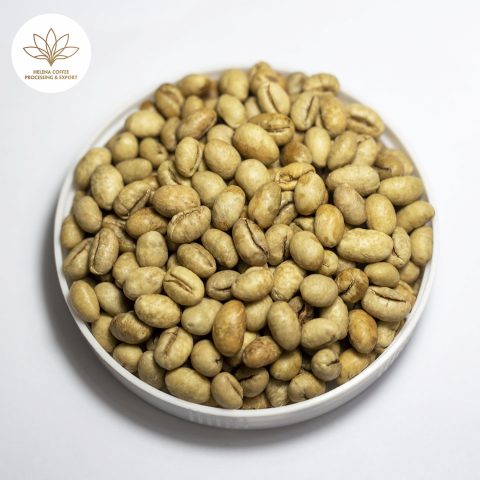
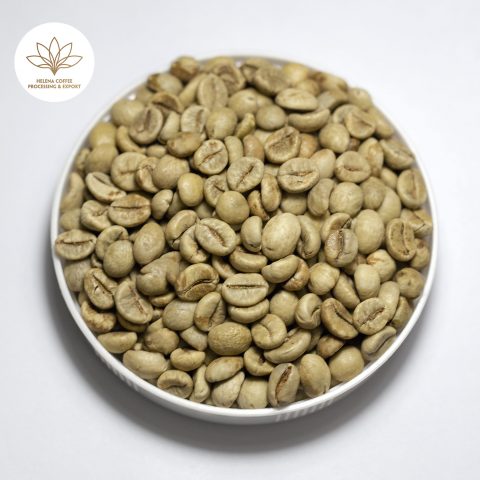
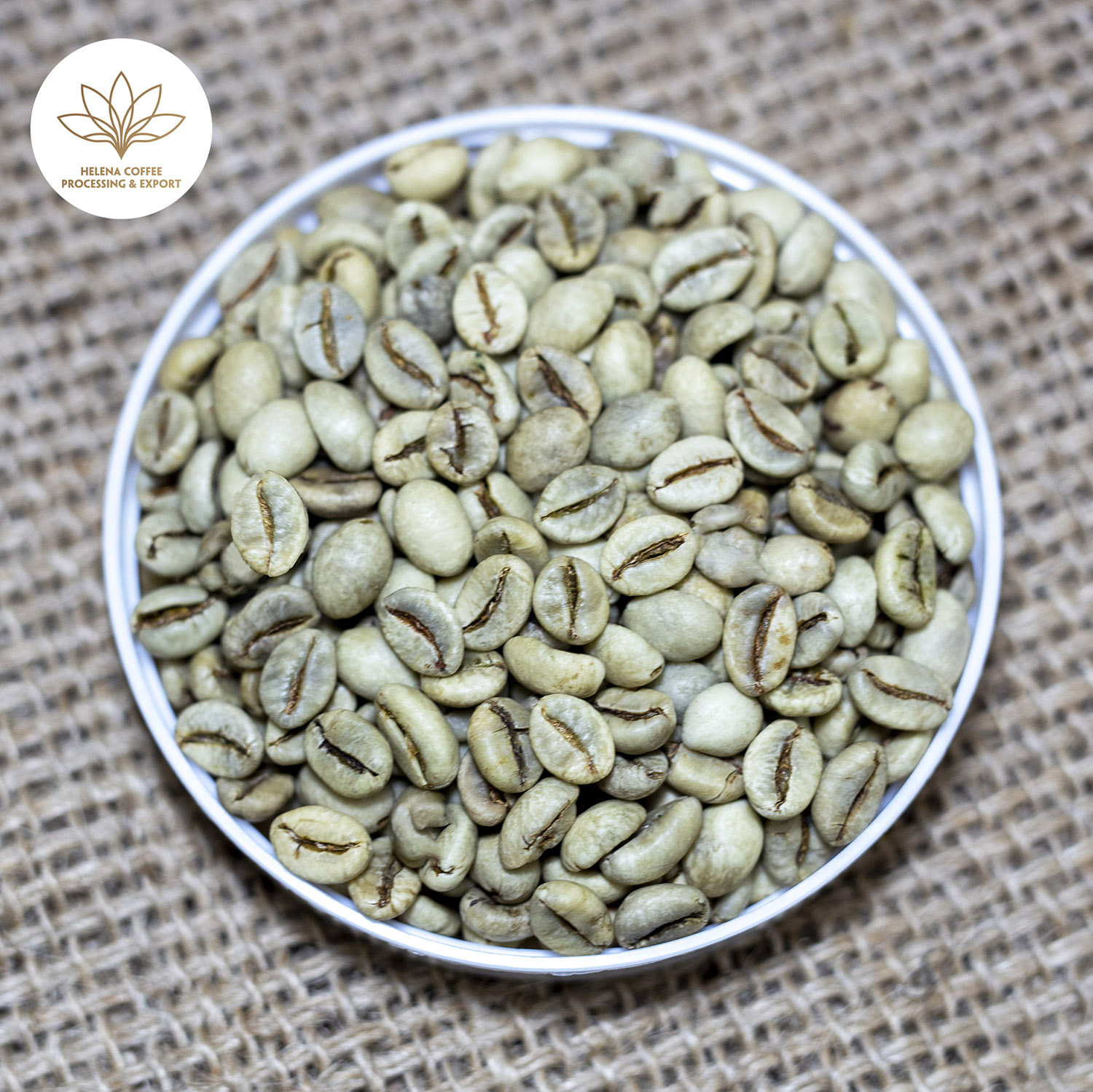
Wet polished robusta is the grade that put Vietnamese coffee on the shelves of European and American roasters: natural Daklak robusta that is hulled and then polished with water to remove the silver skin, leaving a smooth, uniform green bean. Helena Coffee Vietnam produces around 5,000 tons a year of this Grade 1 lot in S18 and S16 screens, with 0.3% maximum black and broken beans, 0.1% foreign matter and 12.5% moisture.
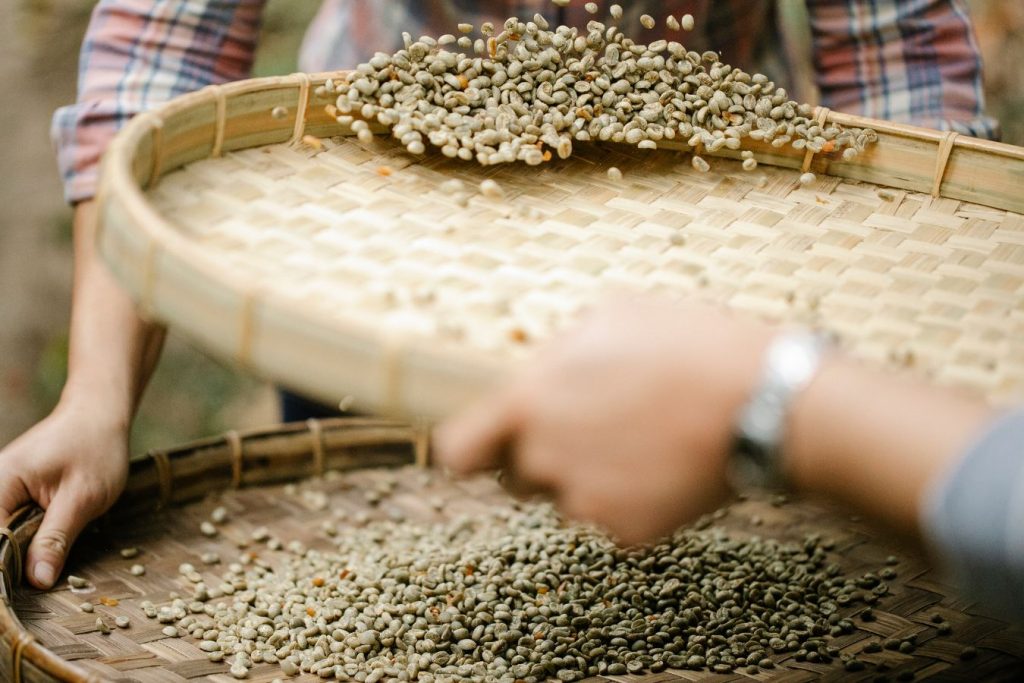
How our wet polished robusta is produced
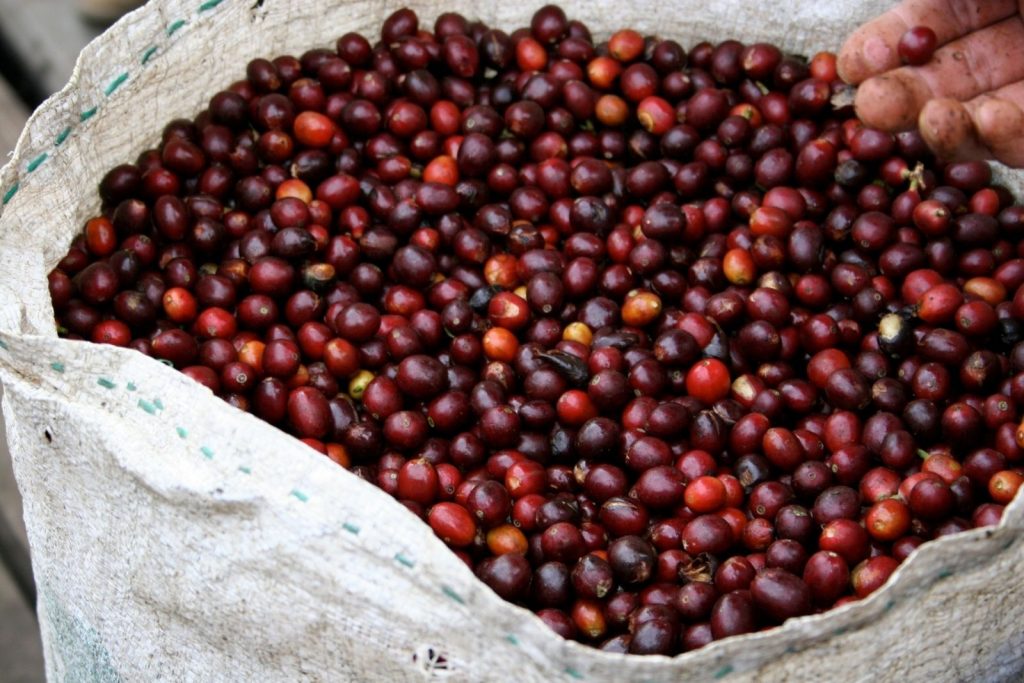
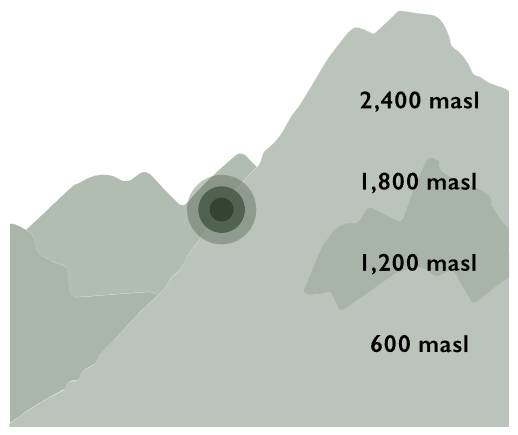
Ripe cherries (90–95% ripe rate) are harvested from partner farms at about 800 m on the Daklak plateau and sun-dried to 12.5% moisture. After hulling, the beans are fed through a wet polisher, re-dried, screened and finished on gravity tables and optical sorters. The polishing step takes away the chaff and much of the astringency that roasters associate with robusta; what is left is a dense, bluish-green bean that roasts evenly. Coffea canephora, the species behind every robusta lot, is documented on Wikipedia.
Specifications
| Origin | Daklak Province, Vietnam |
|---|---|
| Variety | Robusta (Coffea canephora) |
| Elevation | About 800 m |
| Ripe rate | 90–95% |
| Grade | Grade 1 wet polished |
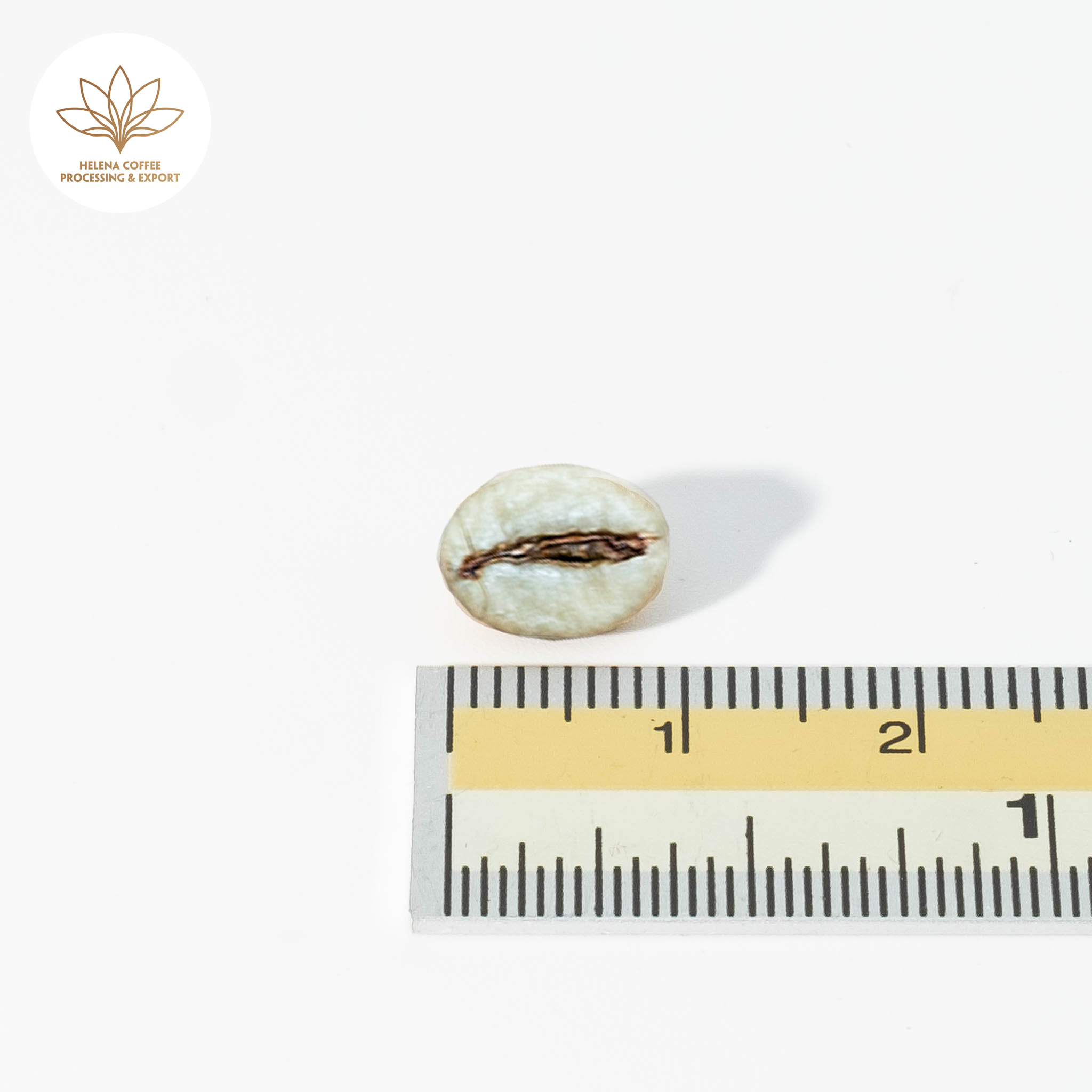
| Screen size | 90% min above screen 18 (S18) or 16 (S16) |
| Moisture | 12.5% max |
| Black and broken | 0.3% max |
| Foreign matter | 0.1% max |
| Capacity | 5,000 tons/year |
| Packaging | 60 kg jute bags, GrainPro liner optional |
Flavour notes and roasting
Expect a strong, bold, earthy robusta with lower acidity and more bitterness than Arabica, but smoother and cleaner than unpolished coffee: hints of dark chocolate, nuts and wood, a full-bodied texture and a pleasant, lasting aftertaste. Wet polished robusta is the classic crema component in Italian espresso blends at 20–40%, and it also makes a clean single-origin robusta for Vietnamese phin brewing and cold brew.
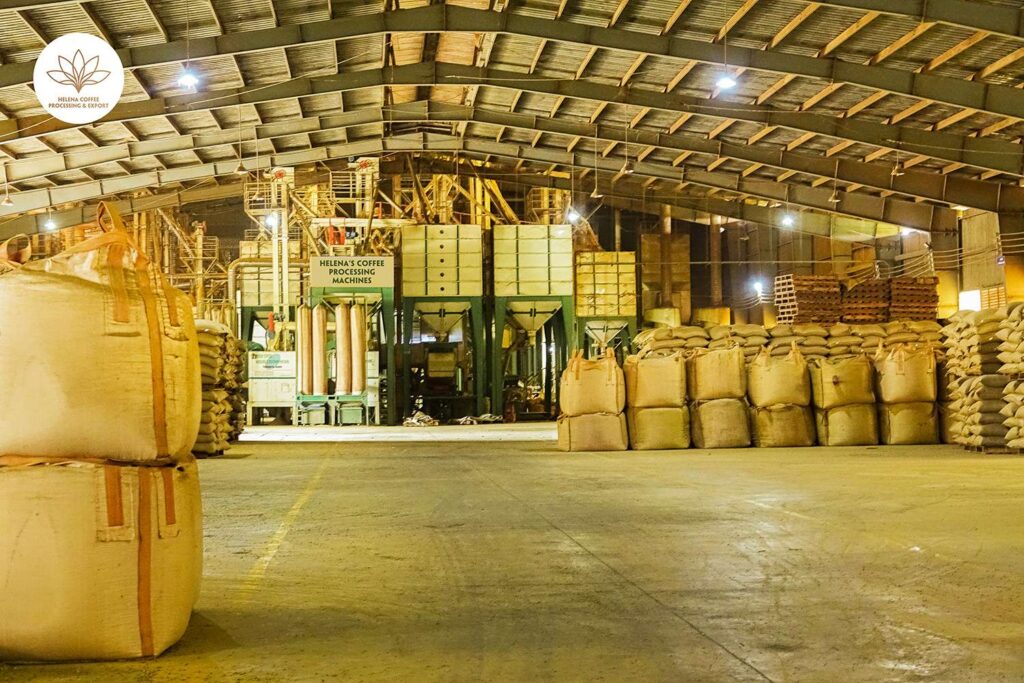
Because the lot is produced every month from our own processing line, wet polished robusta is also the easiest grade to put on a forward contract: we can fix the specification, packing and shipment calendar for a full season and price each container against the market at the time of the PI.
Wholesale terms
- MOQ: 1 × 20 ft container (320 bags × 60 kg ≈ 19.2 MT).
- Packaging: 60 kg jute bags; GrainPro liners, 25 kg vacuum bags or jumbo bags available.
- Pricing: FOB Ho Chi Minh City, CFR or CIF; quoted daily and fixed by signed PI.
- Payment: 30% T/T deposit and 70% balance by T/T, or irrevocable L/C at sight.
- Lead time: 2–3 weeks from PI confirmation; annual supply contracts welcome.
- Documents: commercial invoice, packing list, bill of lading, Certificate of Origin, ICO certificate, phytosanitary and fumigation certificates; SGS, Cotecna or Cafecontrol inspection on request.

Frequently asked questions
Should I choose S18 or S16 wet polished robusta?
S18 beans are larger and roast a little slower, which suits espresso and dark roasts. S16 beans cost less and are ideal for roast-and-ground, 3-in-1 and instant coffee. Many buyers mix both in one container.
Is wet polished robusta washed coffee?
No. The cherry is dried naturally; only the hulled green bean is polished with water. Fully washed robusta is a different process with a lighter, brighter cup.
How much can you supply per month?
Our wet polished line produces about 5,000 tons a year, so regular monthly shipments of several containers are no problem.
Related products from Helena Coffee
You may also be interested in Vietnam Robusta wet polished SCR18, Blue Dragon beans S16 S18, Wet processed robusta coffee beans, or browse our full range of Vietnamese Robusta green coffee beans.
Looking for a reliable wet polished robusta supplier? Helena Coffee ships from Daklak every month and answers enquiries within 24 hours with an FOB/CIF offer and a free sample. Email info@helenacoffee.vn, WhatsApp +84 789 818 828, or use our contact page.



Related products
Robusta Fully Washed Processed Coffee Beans – S18, S16
Original price was: $7.00.$6.59Current price is: $6.59. Request a Quote / Ask for SampleAdd to cart