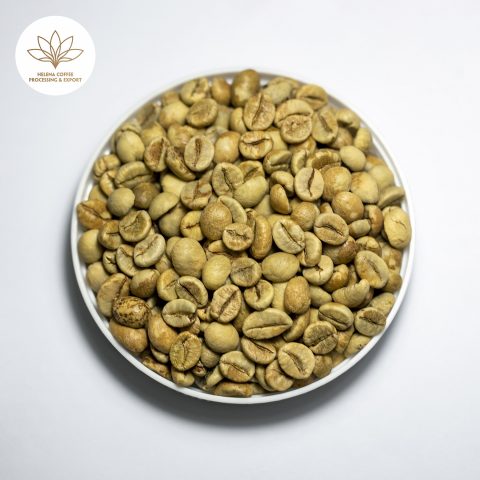


Excelsa Coffee Grade 2 | Vietnam Origin

Vietnamese Coffee Exporter

Excelsa Coffee Grade 2 | Vietnam Origin

5/5

  • Moisture Content: 12.5% max
  • Foreign Matter: 1% max
  • Defective Beans: 5.0% max
  • Screen Size: 90% min above screen 16
  • Cleanliness: Thoroughly cleaned to remove impurities
John Doe
John Doe@JohnDoe.99
Dear Helena Coffee Vietnam, Thanks to your company and the excellent service and coffee beans provided by your delightful employees. All our customers enjoyed your coffee beans with Honey Processing and Fully Washed. I would love to recommend your company to anyone who needs a coffee supplier in the future. Sincerely!
Donald Packer
Donald Packer@DonaldPacker99
Hi Helena Coffee, I want you to know how much I appreciate the excellent service and green coffee beans you provided on the last shipment. Your attention to detail, great communication skills, and ready smile made the experience even better than I expected. I won't hesitate to bring future clients to your establishment. If I can put in a good word for you with the Import and Export manager, don't hesitate to ask. Your happy customer!
Elizabeth Turner
Elizabeth Turner@ElizabethTurner
I wanted to drop you a note and thank you for the wonderful, amazing service and coffee you provided during my business time. Next time I go back to your office, I hope to have a couple of my closest partners with me. Relaxed and happy!

Coffee Beans Product Information

Excelsa Coffee Grade 2 – Cleaned Vietnam Excelsa for Blending

Excelsa Coffee Grade 2 is the value grade of one of the most unusual coffees Vietnam produces. Helena Coffee Vietnam cleans it to 90% above screen 16, 5% maximum defective beans, 1% foreign matter and 12.5% moisture, which makes it ideal for roasters who want to add excelsa’s tart, dark-fruit character to blends at a sensible price.
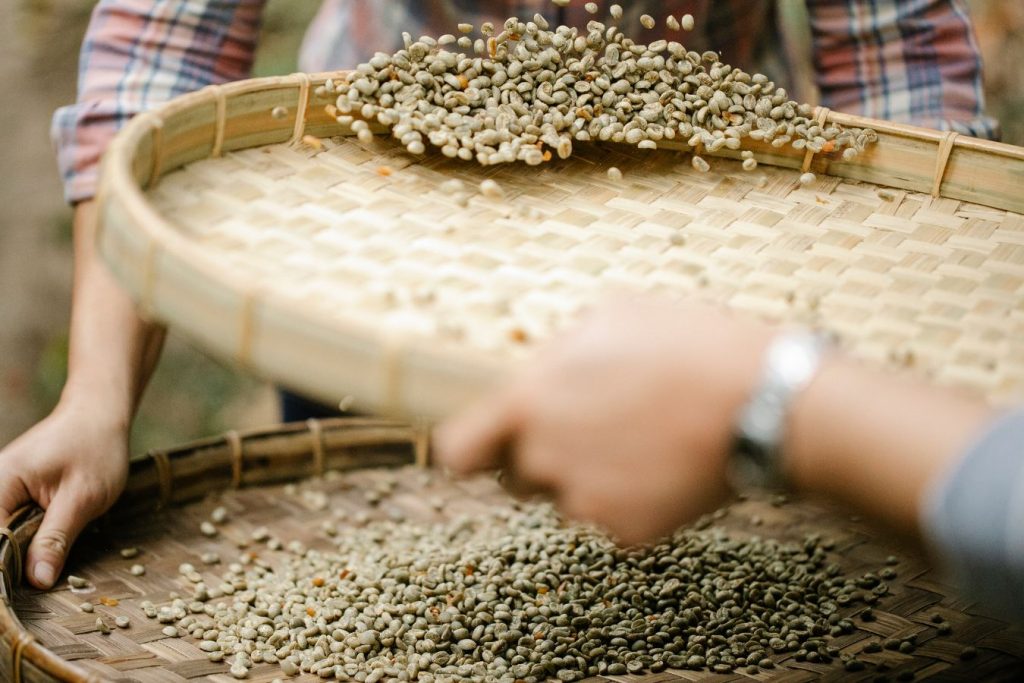
Cleaning excelsa coffee grade 2 green beans by hand

Excelsa coffee in a nutshell

Excelsa was long classified as a variety of Coffea liberica (var. dewevrei), and recent genomic research proposes treating it as a species of its own. Whatever the label, roasters know it for a cup that is completely different from Arabica and robusta: tart and fruity, with dark fruit, a light body and a long, complex finish. Excelsa is grown on a limited number of farms in Vietnam, mostly alongside robusta, and is harvested and processed in small volumes.

Our Excelsa Coffee Grade 2 is dried naturally and cleaned on the same equipment as our robusta grades, then screened above 16 to remove small and broken beans. Every lot is cupped before shipping so you know exactly what the excelsa character will bring to your blend.

Specifications

OriginVietnam
SpeciesExcelsa (Coffea liberica var. dewevrei)
GradeGrade 2, cleaned
Screen size90% min above screen 16
Moisture12.5% max
Foreign matter1% max
Defective beans5% max
CleanlinessThoroughly cleaned to remove impurities
Packaging60 kg jute bags

How roasters use excelsa coffee grade 2

In the cup, Excelsa Coffee Grade 2 shows the tart, dark-fruit notes the species is known for, with a distinctive complexity that adds depth to blends. Roasters typically blend 10–30% excelsa with robusta to lift aroma and give a more layered cup, or combine it with Arabica in house blends that need a signature note. The Grade 2 specification keeps cost down while the cleaning process removes impurities and the worst defects.

If you plan to sell excelsa as a single origin or a specialty product, our Grade 1 screen 16 lot with only 2% defects is the better choice; Excelsa Coffee Grade 2 is designed for blending and for commercial products where the excelsa flavour matters more than appearance.
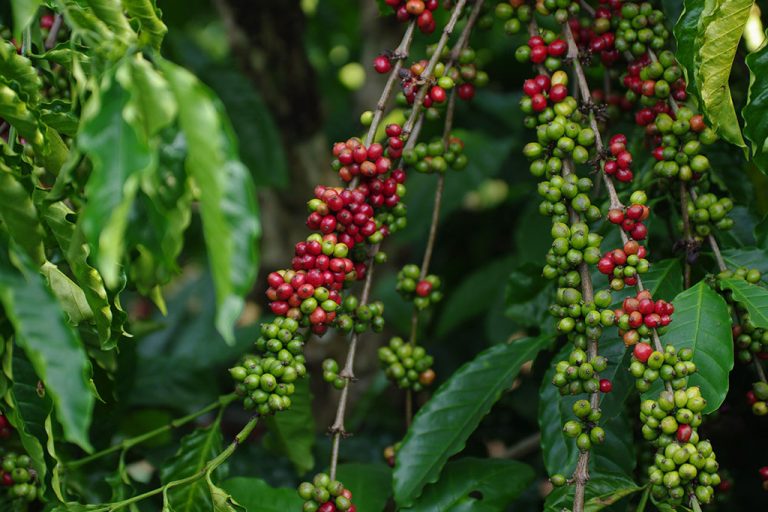
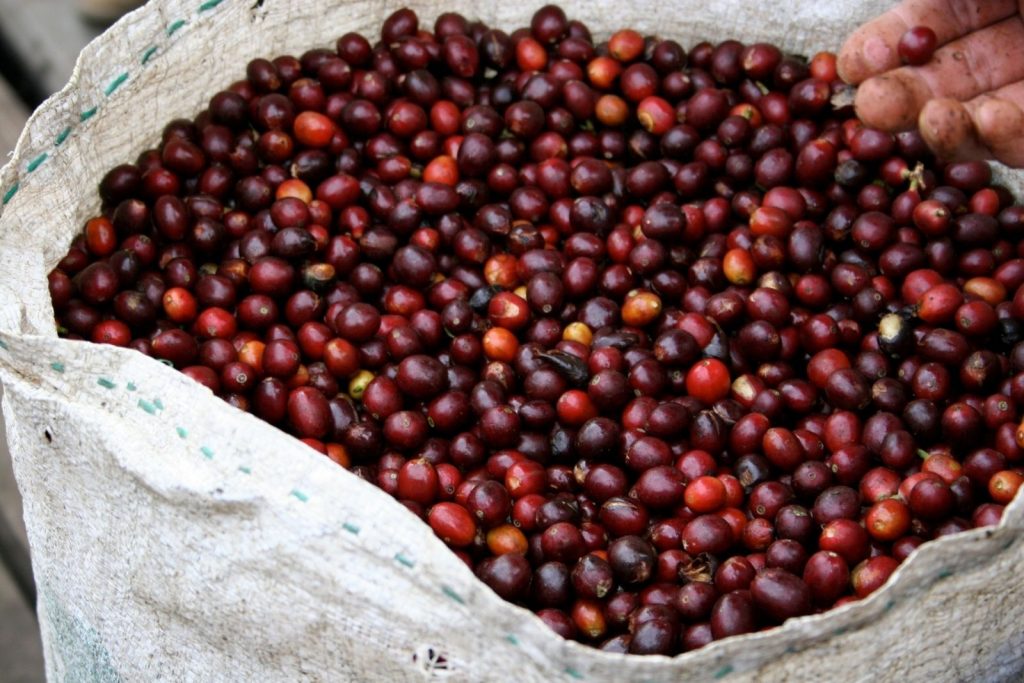
Ripening coffee cherries on the branch

Wholesale terms

  • Availability: limited volumes each harvest; ask for current stock.
  • Packaging: 60 kg jute bags; GrainPro liners on request.
  • Pricing: FOB Ho Chi Minh City, CFR or CIF, confirmed by signed PI.
  • Payment: 30% T/T deposit and 70% balance by T/T, or irrevocable L/C at sight.
  • Shipping: full or mixed containers with other grades; LCL for small quantities.
  • Documents: commercial invoice, packing list, bill of lading, Certificate of Origin, ICO certificate, phytosanitary and fumigation certificates.
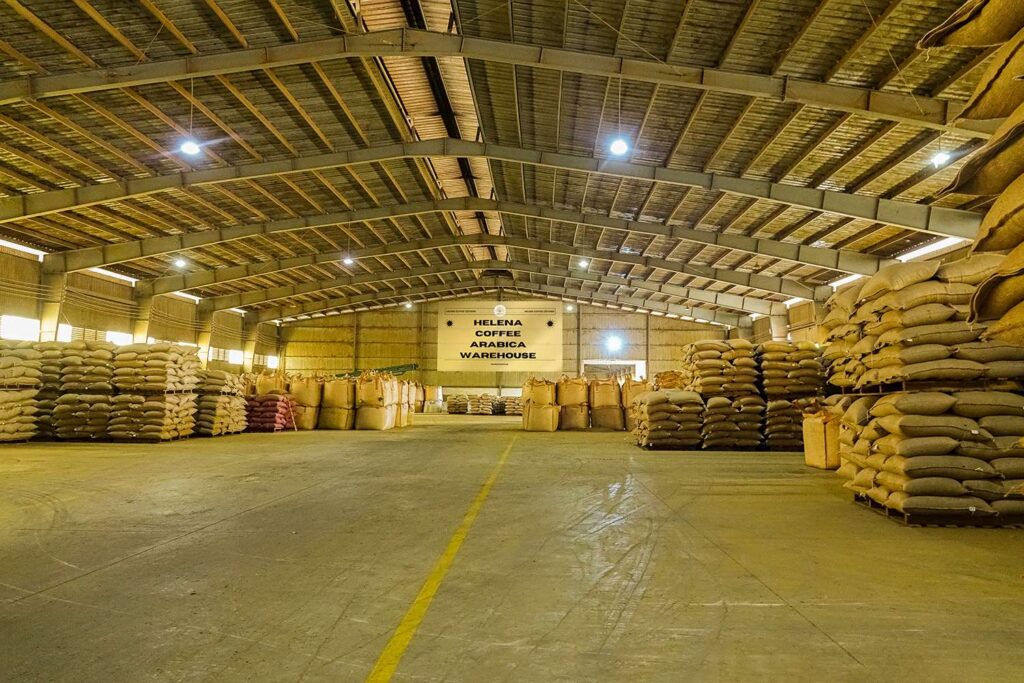
Jute bags of green coffee stacked in the Helena Coffee warehouse

Frequently asked questions

What is the difference between excelsa Grade 1 and Grade 2?

Grade 1 allows up to 2% defective beans and 0.5% foreign matter, while Grade 2 allows up to 5% defects and 1% foreign matter. Both are cleaned and screened above 16; Grade 2 is priced for blending.

Does excelsa taste like liberica?

They are related but taste different. Excelsa is tarter and more fruit-driven, while liberica is fuller, woodier and smokier.

Can excelsa coffee grade 2 be mixed with robusta in one container?

Yes. Many buyers load excelsa together with robusta grades to save freight; we mark the bags separately.

Related products from Helena Coffee

You may also be interested in Excelsa coffee Grade 1 screen 16, Vietnam Liberica coffee beans, Robusta Grade 1 screen 18, or browse our full range of Vietnamese Robusta green coffee beans.

Bring a new flavour to your blends with Excelsa Coffee Grade 2. Ask Helena Coffee for a sample and price: email info@helenacoffee.vn, WhatsApp +84 789 818 828, or use our contact page.

Certifications

Rainforest Alliance Certified
Fairtrade Cetified
USDA Certified

Exploring Vietnam Robusta: Bold Flavor Profile and Unique Taste

Vietnam shines as the top global exporter of robust and flavorful Robusta coffee, with its lush Central Highlands provinces—Kon Tum, Gia Lai, Dak Lak, Dak Nong, and Lam Dong—dedicating around 90% of their coffee fields to this thriving crop.

This bountiful bean also thrives in midland regions like Vung Tau and Dong Nai, known for their high yields. Delve into the aromatic world of Robusta coffee through renowned growing regions such as Pleiku, Ayun Pa, Buon Ho, and the iconic Buon Ma Thuot—celebrated as Vietnam’s coffee capital.

fine_robusta_coffee

Attitude

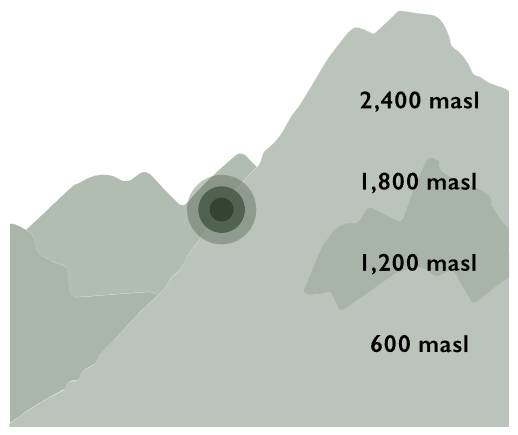
Nestled at an elevation of 500m-600m above sea level, the Central Highlands of Vietnam boast rich red basalt soil and a cool, rainy climate—perfect conditions for cultivating exquisite Robusta coffee for centuries. This region’s beans are famed for their potent caffeine content, bold flavors, and low acidity, enticing coffee aficionados worldwide.

Yet, the allure of Central Highlands coffee lies in its unique regional nuances. Some beans enchant with silky notes of butter, oil, or caramel, while others capture the essence of the sun-kissed highlands and crisp mountain breezes. Discover the captivating tastes that have made Central Highlands coffee a cherished treasure for generations.

Attitude of coffee

Environment

Climate factors such as precipitation, temperature, and humidity play a crucial role in shaping a coffee’s maturation, overall flavor, and quality. Coffee-producing countries either boast naturally ideal conditions for growth or employ innovative techniques to enhance their ecosystems.

Robusta coffee, in particular, thrives in a harmonious dance with its environment, flourishing under the tender care of nature’s elements. As you indulge in its rich, bold flavors, you’ll savor the exquisite results of this intricate interplay. 

Precipitation

500m – 800m

Temperature

17℃

Humidity

71%

Processing

Coffee processing involves separating the bean from the cherry, with popular methods like washed, dry, and honey, among others. Each technique emphasizes different aspects to create unique flavors, inviting you to explore and savor the diverse world of coffee.

Washed

Fully Washed

Dried

Sun-dried

Natural

Fully Washed

Timeline

Harvest and export times are based off when a particular coffee will be at its peak quality. Cherries picked at the start of the harvest season tend to be underdeveloped, and those picked at the end are often overdeveloped, so producers aim for that sweet

Harvest
Oct – Apr
Export

Dec – Sept

dak-lak

Dak Lak Viet Nam

Dak Lak Province, nestled in Vietnam’s Central Highlands, earns its title as the “capital” of Vietnamese coffee with its sprawling green coffee fields cascading across the region’s basaltic hills, bathed in sunlight and caressed by gentle winds. Home to numerous distinguished coffee brands, Dak Lak’s exceptional beans have captured hearts worldwide, with exports reaching over 80 countries and territories, solidifying its global reputation for exceptional coffee.