Robusta Yellow Honey Coffee Beans – TR4 Variety, Daklak Origin – S18, S16


Robusta Yellow Honey Coffee Beans – TR4 Variety, Daklak Origin – S18, S16
$6.80 Original price was: $6.80.$6.67Current price is: $6.67.
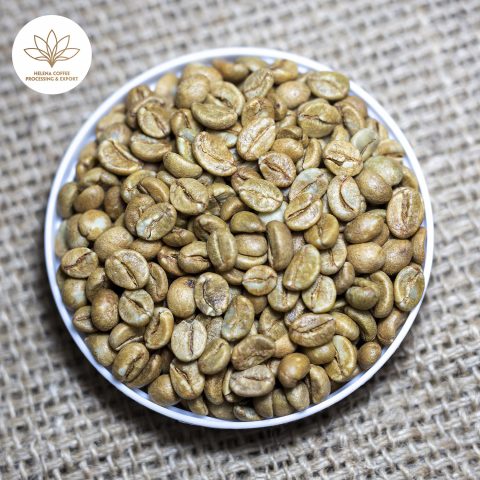
Robusta yellow honey coffee beans from Daklak, Vietnam: the TR4 variety, pulped and dried for about 12 days with part of its mucilage left on, until the parchment turns golden yellow. The result is a sweet, syrupy, chocolate-forward robusta that pulls dense crema, sold in S18 and S16.
- Density 740–760 g/l · moisture 13% max · caffeine 1.5–2%
- Altitude 750–820 m · hulled to order · stored below 25 °C
- GrainPro inner bag in 60 kg jute · FOB Ho Chi Minh City (Cat Lai) · CFR/CIF on request



Coffee Beans Product Information
Robusta yellow honey coffee beans are our fastest-drying honey lot and the easiest one to put on a specialty menu: TR4 robusta from 750–820 m in Daklak, pulped on harvest day and dried for about 12 days with some of the mucilage still on the parchment. Yellow honey keeps less mucilage and dries faster than red or black honey, so the cup is sweet and clean rather than heavily fermented. Screens 18 and 16 are available, hulled to order from parchment stock.
How Does the Yellow Honey Process Work?
The cherry skin is removed, but a thin layer of mucilage stays on the parchment while it dries. “Yellow” is the color the parchment turns after about 12 days of drying with regular turning; red and black honey keep more mucilage, dry slower and taste more fermented. Less mucilage and faster drying mean a lower mold risk and a cleaner, sweeter cup. Perfect Daily Grind explains yellow, red and black honey coffees in more depth.
| Yellow honey (this lot) | Red honey | Black honey | |
|---|---|---|---|
| Mucilage left on | Least | More | Most |
| Drying | About 12 days, turned often | Longer, partly shaded | Longest, mostly shaded |
| Cup | Sweet, clean, chocolate | Sweeter, more fruit | Heavy, winey, fermented |
Specifications
| Parameter | Specification |
|---|---|
| Origin | Daklak, Vietnam |
| Variety | Robusta TR4 (a high-yielding clone selected by WASI, Vietnam’s Western Highlands coffee research institute) |
| Altitude | 750–820 m |
| Processing | Yellow honey, about 12 days drying |
| Screen size | S18 and S16 (screen 15 fraction on request) |
| Moisture | 13% max |
| Density | 740–760 g/l |
| Caffeine | 1.5–2% |
| Black & broken, foreign matter | Available on request with the current lot’s analysis |
| Storage | Cool storage below 25 °C, hulled to order |
| Packing | GrainPro inner bag, 60 kg jute outer bag |
Cup Profile & Applications
TR4 gives large, dense beans that roast evenly, and the honey step keeps their natural sugars, so the cup is rounder and less bitter than a natural robusta: honey-like sweetness and fruity undertones over a cocoa base, with the heavy body Vietnamese robusta is known for.
- Espresso: medium-dark roast, on its own or blended with washed arabica; the crema is thick and dense.
- Filter and cold brew: medium roast to keep the fruit and sweetness; works well as a single-origin robusta.
- Specialty menus: a clear origin story (variety, process, altitude, density) for roasters who print cards.
Not the right fit for soluble or 3-in-1 production; a natural grade 1 does that at lower cost, and the honey sweetness is lost under sugar.
Processing & Quality Control
- Ripe TR4 cherries are pulped on the day they are picked.
- Parchment with part of its mucilage dries on beds for about 12 days, turned often so the sugars dry evenly without over-fermenting, until it turns golden yellow.
- The parchment rests in cool storage below 25 °C and is hulled to order, so beans ship fresh-hulled.
- At our Daklak mill (100 tons/day), screens separate S18 from S16; density grading and optical color sorting remove light, black and discolored beans.
- You approve a pre-shipment sample (PSS) before loading; third-party inspection on request.
The mill is ISO 22000:2018 and HACCP certified, Halal-certified and an FDA-registered facility. For roast curves, see our note on the honey robusta coffee roasting technique.
Packing, Shipping & Ordering
- MOQ: from 1 MT; smaller trial lots for specialty roasters on request, consolidated by LCL or air with other Helena coffees. A full 20 ft container holds 19.2 MT (320 × 60 kg).
- Packing: GrainPro inner bag in 60 kg jute; 25 kg vacuum bags on request.
- Terms: FOB Ho Chi Minh City (Cat Lai); CFR/CIF on request; fixed by signed PI.
- Lead time: about 2–4 weeks from PI, subject to the harvest; larger volumes by arrangement each crop.
- Payment: 30% T/T deposit and 70% against copy of B/L, or irrevocable L/C at sight.
- Documents: commercial invoice, packing list, B/L, certificate of origin, ICO certificate of origin, phytosanitary certificate; fumigation certificate and COA on request.
- Samples: roasting samples of 200–500 g couriered worldwide; free cupping samples for qualified buyers.
Related Products
- Fine robusta honey coffee beans: the selective S18 honey lot from 850 m with a Fine Robusta cup.
- Vietnam robusta honey processed coffee: the two-screen honey lot for monthly volume.
- Fine robusta anaerobic Vietnam: the 84.5-point CQI anaerobic lot for fruit-forward menus.
- All Robusta green coffee beans.
Frequently Asked Questions
What is the difference between yellow, red and black honey robusta?
The amount of mucilage left on the parchment and how long it dries. Yellow honey keeps the least and dries fastest, about 12 days here, for a sweet, clean cup. Red and black honey keep more mucilage, dry longer and often in shade, and taste more fruity and fermented.
Are robusta yellow honey coffee beans suitable for espresso?
Yes. Roasted medium-dark they give a sweet, chocolatey shot with dense crema and less bitterness than natural robusta. Use them alone or with washed arabica; start trials at 30–40% robusta and adjust.
Can a small order be shipped together with other coffee?
Yes. Trial lots can travel in a shared container with other Helena coffees, by LCL, or by air for very small quantities. Tell us the quantity and destination and we will quote the best option.
Certifications



Exploring Vietnam Robusta: Bold Flavor Profile and Unique Taste
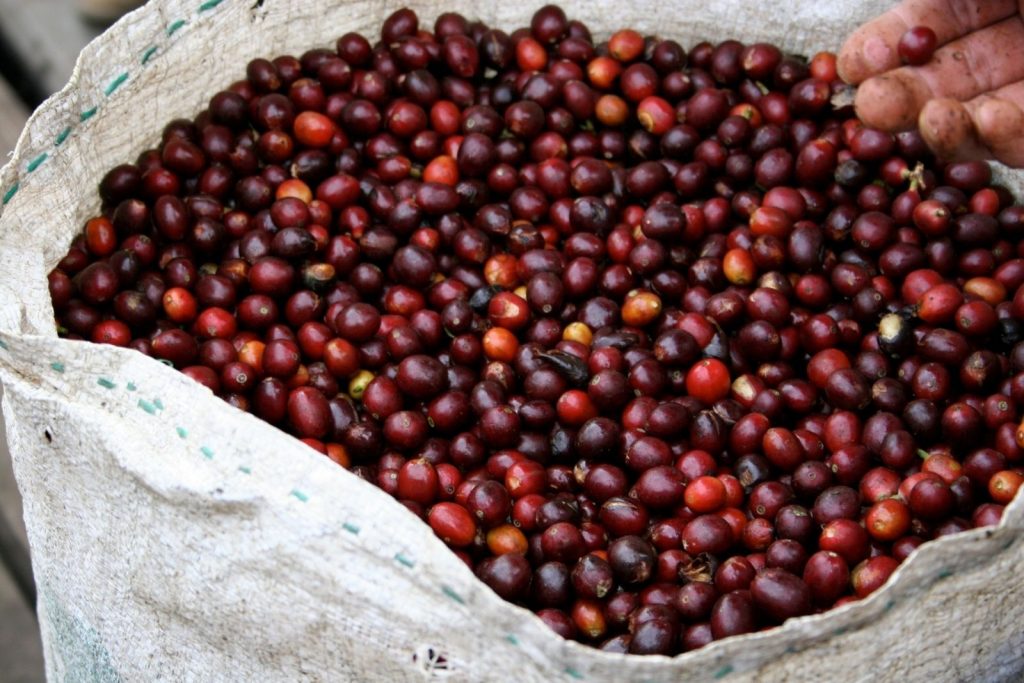
Vietnam shines as the top global exporter of robust and flavorful Robusta coffee, with its lush Central Highlands provinces—Kon Tum, Gia Lai, Dak Lak, Dak Nong, and Lam Dong—dedicating around 90% of their coffee fields to this thriving crop.
This bountiful bean also thrives in midland regions like Vung Tau and Dong Nai, known for their high yields. Delve into the aromatic world of Robusta coffee through renowned growing regions such as Pleiku, Ayun Pa, Buon Ho, and the iconic Buon Ma Thuot—celebrated as Vietnam’s coffee capital.
Attitude
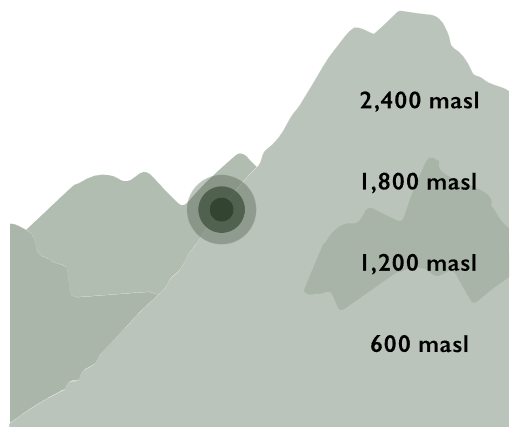
Nestled at an elevation of 500m-600m above sea level, the Central Highlands of Vietnam boast rich red basalt soil and a cool, rainy climate—perfect conditions for cultivating exquisite Robusta coffee for centuries. This region’s beans are famed for their potent caffeine content, bold flavors, and low acidity, enticing coffee aficionados worldwide.
Yet, the allure of Central Highlands coffee lies in its unique regional nuances. Some beans enchant with silky notes of butter, oil, or caramel, while others capture the essence of the sun-kissed highlands and crisp mountain breezes. Discover the captivating tastes that have made Central Highlands coffee a cherished treasure for generations.
Environment
Climate factors such as precipitation, temperature, and humidity play a crucial role in shaping a coffee’s maturation, overall flavor, and quality. Coffee-producing countries either boast naturally ideal conditions for growth or employ innovative techniques to enhance their ecosystems.
Robusta coffee, in particular, thrives in a harmonious dance with its environment, flourishing under the tender care of nature’s elements. As you indulge in its rich, bold flavors, you’ll savor the exquisite results of this intricate interplay.
Precipitation
500m – 800m
Temperature
17℃
Humidity
71%
Processing
Coffee processing involves separating the bean from the cherry, with popular methods like washed, dry, and honey, among others. Each technique emphasizes different aspects to create unique flavors, inviting you to explore and savor the diverse world of coffee.
Washed
Fully Washed
Dried
Sun-dried
Natural
Fully Washed
Timeline
Harvest and export times are based off when a particular coffee will be at its peak quality. Cherries picked at the start of the harvest season tend to be underdeveloped, and those picked at the end are often overdeveloped, so producers aim for that sweet
Harvest
Export
Dec – Sept
Dak Lak Viet Nam
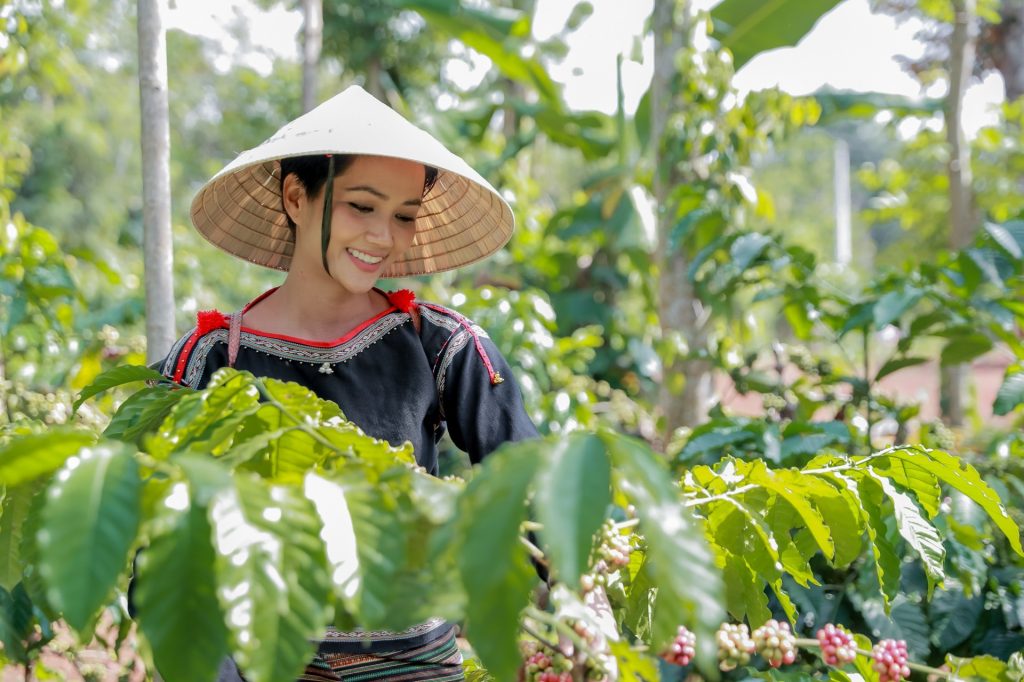
Dak Lak Province, nestled in Vietnam’s Central Highlands, earns its title as the “capital” of Vietnamese coffee with its sprawling green coffee fields cascading across the region’s basaltic hills, bathed in sunlight and caressed by gentle winds. Home to numerous distinguished coffee brands, Dak Lak’s exceptional beans have captured hearts worldwide, with exports reaching over 80 countries and territories, solidifying its global reputation for exceptional coffee.