Among all premium Arabica varieties, Moka Coffee has earned a reputation for being one of the most expensive and difficult coffees to produce. While many coffee lovers appreciate its delicate floral aroma and elegant sweetness, few understand why this variety commands such a premium price.
Unlike commercial coffee cultivars that prioritize productivity, it is valued for its exceptional cup quality, limited availability, and labor-intensive cultivation. Every stage from growing and harvesting to processing requires significantly more effort than conventional coffee varieties.As demand for specialty coffee continues to rise worldwide, understanding what makes Moka so rare helps explain why it remains one of Vietnam’s most prized specialty coffees.
Moka Coffee Produces Lower Yields Than Most Arabica Varieties
One of the biggest reasons Moka Coffee is expensive is its naturally low productivity.
Modern Arabica cultivars such as Catimor were developed to produce higher yields while offering better resistance to diseases. Moka, however, remains an older variety that was never bred for maximum production.
Compared with commercial cultivars, Moka trees generally produce:
- fewer cherries per branch
- lower harvest volumes
- slower overall production
For farmers, this means lower income per hectare unless the coffee can be sold at a premium price. As a result, many growers have gradually replaced Moka with higher-yielding varieties, making genuine Moka Coffee increasingly rare.

Moka Coffee Requires More Care Throughout the Growing Season
Growing Moka Coffee is far more demanding than cultivating many other Arabica varieties. The trees are highly sensitive to environmental conditions and require careful management throughout the year.
Farmers must pay close attention to:
- soil nutrition
- shade management
- irrigation
- pruning
- disease prevention
Unlike hardier coffee varieties, Moka responds quickly to environmental stress, making production more challenging and costly. This additional care translates directly into higher production costs and contributes to its premium market value.
Disease Susceptibility Makes Production Riskier
Another major challenge is that Moka Coffee is particularly vulnerable to diseases. Coffee leaf rust and other fungal infections can significantly reduce yields if plantations are not carefully managed.
This creates two major concerns for producers:
- higher production risks
- increased spending on farm management
In regions with unpredictable weather patterns, these challenges become even greater. Because of these risks, relatively few farmers continue cultivating Moka Coffee on a commercial scale.
Selective Harvesting Increases Labor Costs
Unlike commercial coffee production, harvesting Moka Coffee requires exceptional attention to detail. Only perfectly ripe cherries should be picked to preserve the variety’s delicate sweetness and aromatic complexity.
Instead of mechanical harvesting or strip picking, farmers often rely on:
- hand picking
- multiple harvesting rounds
- careful cherry selection
This process demands considerably more labor while reducing harvesting efficiency. The result is better cup quality but also higher production costs.
Post-Harvest Processing Plays a Critical Role
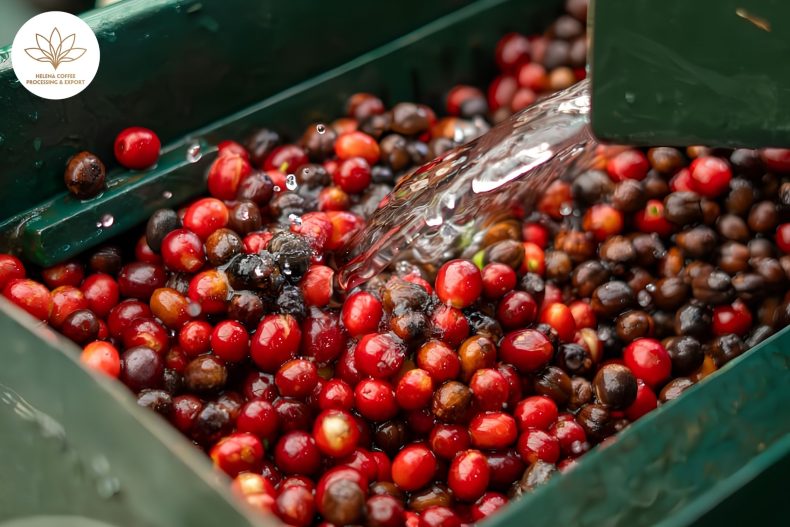
Harvesting is only the beginning. To maintain the distinctive flavor profile of Moka Coffee, post-harvest processing must be carried out with precision. Whether using washed, honey, or natural processing methods, producers must carefully control:
- fermentation
- drying speed
- moisture content
- storage conditions
Any mistakes during processing can mask the floral aromas and sweetness that make Moka Coffee so valuable. This meticulous approach requires both technical expertise and significant investment.
Limited Supply Meets Growing Specialty Coffee Demand
While production remains limited, global demand continues to grow.
Today’s specialty coffee consumers increasingly seek coffees that offer:
- unique origins
- distinctive varieties
- traceability
- exceptional sensory experiences
Moka Coffee fits perfectly into this trend. Its rarity makes it attractive to specialty cafés, boutique roasters, and coffee enthusiasts looking for something beyond mainstream Arabica coffees. This imbalance between limited supply and increasing demand naturally pushes prices higher.
Why Specialty Roasters Value Moka Coffee
For specialty coffee roasters, Moka Coffee offers something that many commercial coffees cannot.
Its complex flavor profile allows roasters to showcase their roasting skills while creating memorable coffee experiences.
Depending on the roast profile, Moka Coffee may reveal notes of:
- chocolate
- caramel
- jasmine
- honey
- ripe berries
- stone fruits
Its elegant acidity and natural sweetness make it particularly suitable for premium single-origin offerings. Many specialty roasters are willing to pay higher prices because these characteristics help differentiate their products in a competitive market.
Moka Coffee Represents Quality Rather Than Quantity

Unlike commercial coffee production, where efficiency often determines value, Moka Coffee represents a different philosophy.
Its value comes from:
- limited production
- exceptional craftsmanship
- careful cultivation
- unique terroir
- outstanding cup quality
Every cup tells the story of a coffee that prioritizes excellence over volume. For consumers, purchasing Moka Coffee is not simply buying coffee, it is investing in a rare and authentic specialty coffee experience.
The Future of Moka Coffee in Vietnam
Although Moka Coffee occupies only a small share of Vietnam’s coffee production today, its future looks increasingly promising. As specialty coffee markets continue expanding across Europe, North America, Japan, South Korea, and the Middle East, demand for rare Arabica varieties is expected to grow steadily.
This trend encourages more producers to preserve traditional Moka plantations rather than replacing them with higher-yielding cultivars. Combined with improvements in farm management and post-harvest processing, this distinctive variety has the potential to become one of Vietnam’s flagship specialty coffees on the global stage.
Conclusion
The premium price of Moka Coffee reflects far more than its rarity. Lower yields, higher production risks, labor-intensive harvesting, and meticulous processing all contribute to making it one of Vietnam’s most valuable Arabica varieties. As specialty coffee consumers continue to seek authentic origins and exceptional cup quality, this distinctive variety stands out as a coffee that rewards patience, craftsmanship, and dedication qualities that justify both its reputation and its price.
Experience Premium Vietnamese Moka Coffee with Helena Coffee
At Helena Coffee, we are committed to preserving the exceptional quality of Vietnam’s finest Moka Coffee. Sourced from carefully selected farms in Da Lat, our Moka Coffee is processed with strict quality standards to highlight its signature sweetness, floral aroma, and refined complexity. Whether you are a coffee roaster, importer, distributor, or specialty café, Helena Coffee offers reliable sourcing, consistent quality, and customized supply solutions to help you bring premium Vietnamese Moka Coffee to your customers worldwide.
👉 Visit www.helenacoffee.vn or Info@helenacoffee.vn to explore our products and request a direct quote today!