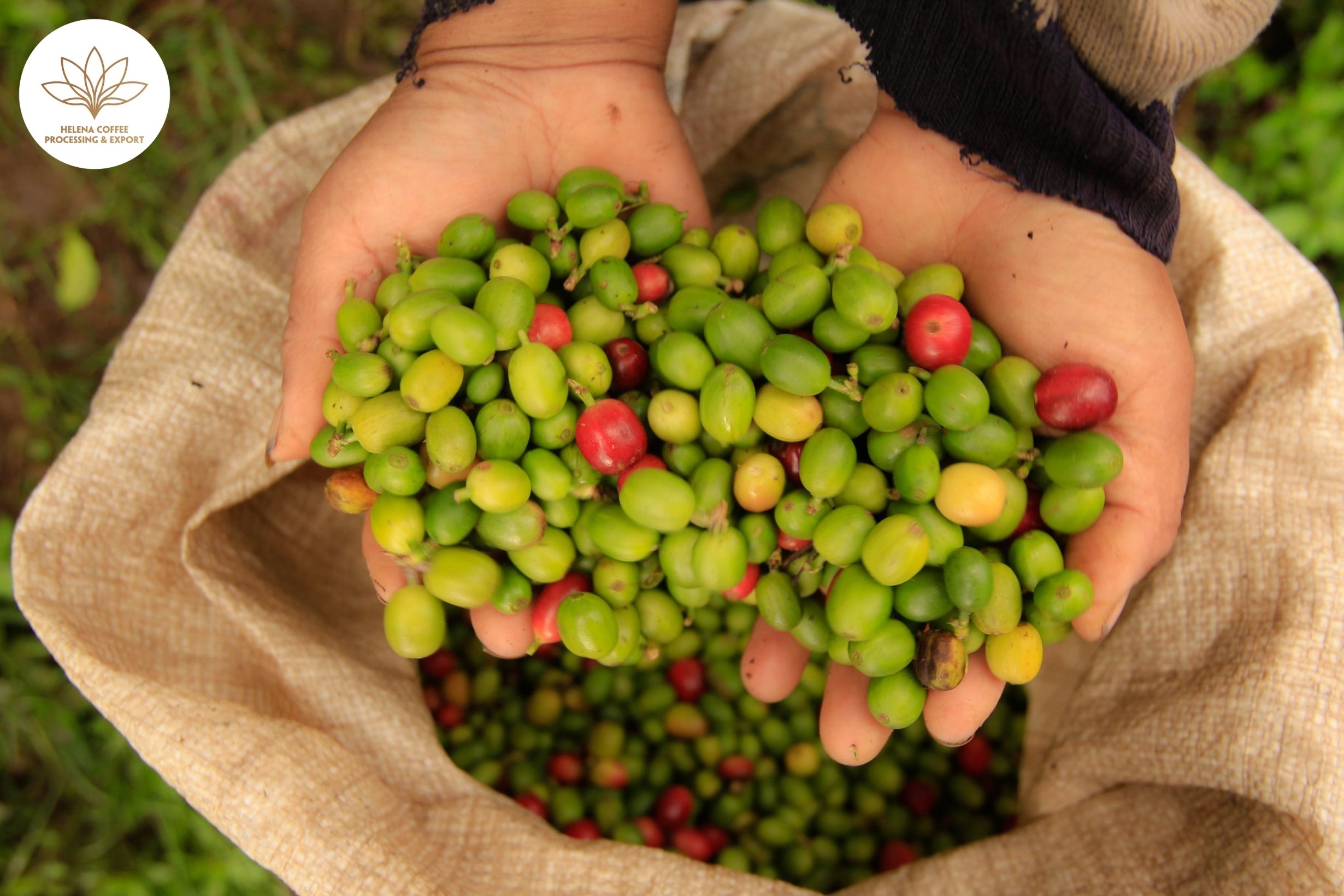
Coffee quality is not only about flavor and aroma, it is also about food safety. One of the industry’s biggest concerns is Ochratoxin A (OTA), a naturally occurring mycotoxin that can affect coffee quality, consumer health, and international trade.
The good news is that Ochratoxin A is largely preventable. With proper harvesting, drying, storage, and transportation practices, producers can significantly reduce contamination risks and comply with global food safety standards. In this article, we’ll explore what Ochratoxin A (OTA) is, how it develops, and the best ways to prevent it in the coffee supply chain.
What Is Ochratoxin A (OTA)?
Ochratoxin A (OTA) is a naturally occurring mycotoxin produced primarily by several species of fungi belonging to the genera Aspergillus and Penicillium.
The fungal species most commonly associated with coffee include:

- Aspergillus ochraceus
- Aspergillus carbonarius
- Aspergillus niger (some strains)
- Certain Penicillium species
These fungi do not automatically produce OTA whenever they are present. Instead, toxin production depends on environmental conditions such as:
- High moisture content
- Warm temperatures
- Poor ventilation
- Prolonged storage under humid conditions
- Rewetting after drying
In other words, poor post-harvest management not the fungi alone is usually responsible for OTA contamination.
Why Is Ochratoxin A Important?
OTA has become one of the most closely monitored contaminants in international coffee trade because of its potential health risks.
Scientific studies have associated long-term exposure to high levels of OTA with:
- Kidney toxicity
- Liver damage
- Immune system suppression
- Possible carcinogenic effects
How Does Ochratoxin A Develop in Coffee?
OTA contamination rarely begins during roasting. Instead, it usually develops much earlier, during post-harvest handling. Several critical stages influence the risk.
Delayed Cherry Processing
Fresh coffee cherries contain high moisture and sugars. If harvested cherries remain piled for too long before processing, fungal populations can rapidly increase. Warm temperatures accelerate this process.
Slow or Uneven Drying
Drying is one of the most important control points. Coffee that remains above safe moisture levels for extended periods creates ideal conditions for fungal growth.
Rewetting After Drying
Even perfectly dried coffee can become contaminated later. Rain exposure, condensation, or humid warehouse conditions may increase bean moisture again, allowing fungi to resume growth. This is one of the most common causes of storage-related OTA contamination.
Poor Warehouse Conditions
Improper storage dramatically increases fungal activity.
Major risk factors include:
- High relative humidity
- Poor airflow
- Wet warehouse floors
- Damaged bags
- Long storage periods
Good storage is just as important as proper drying.
Does Roasting Remove Ochratoxin A?
This is one of the biggest misconceptions in coffee.
The answer is: Only partially.
Numerous studies show that roasting can reduce OTA concentrations, but it does not completely eliminate the toxin.
However:
- Reduction is inconsistent.
- Initial contamination levels vary.
- Complete removal cannot be guaranteed.
Therefore, prevention remains the most effective strategy.
International Regulations for OTA
Because OTA affects food safety, many countries have established legal limits.
Examples include:
- European Union: Maximum OTA level of 5 μg/kg for roasted coffee beans and ground roasted coffee, and 10 μg/kg for soluble (instant) coffee under Commission Regulation (EU) 2023/915.
- Many importing countries conduct routine laboratory testing before products enter the market.
Failure to meet these standards can result in:
- Shipment rejection
- Financial losses
- Product recalls
- Damage to supplier reputation
For exporters, OTA compliance is both a food safety requirement and a commercial necessity.
Can Processing Methods Affect OTA Risk?
Yes. Different processing methods create different levels of risk.
Natural Process
Natural coffee dries with the entire fruit intact. Because drying takes longer and the fruit contains abundant sugars, careful management is essential. If drying is slow or uneven, fungal growth becomes more likely.
Washed Process
Washed coffee removes the fruit shortly after harvest. With less sugar surrounding the seed, fungal pressure is generally lower. However, improper drying can still lead to contamination.
Honey Process
Honey coffee retains part of the mucilage. Its OTA risk depends largely on drying management rather than the processing method itself. In every case, good post-harvest practices matter far more than the processing style alone.
Best Practices to Prevent Ochratoxin A
Preventing OTA requires attention throughout the supply chain.
Key recommendations include:
- Harvest only ripe cherries whenever possible.
- Avoid leaving cherries in piles before processing.
- Dry coffee quickly but evenly.
- Maintain green coffee moisture around 10.5–12.5%.
- Prevent rewetting after drying.
- Store coffee in cool, dry, well-ventilated warehouses.
- Use clean packaging materials.
- Monitor moisture content regularly.
- Remove visibly moldy beans during sorting.
- Apply Good Agricultural Practices (GAP) and Good Manufacturing Practices (GMP).
Prevention costs far less than dealing with contaminated shipments.

OTA and Coffee Quality Go Hand in Hand
Interestingly, the same practices that reduce OTA contamination also improve coffee quality.
Proper drying and storage help preserve:
- Aroma compounds
- Acidity
- Sweetness
- Bean density
- Roasting consistency
- Shelf life
In other words, investing in food safety often results in better sensory quality as well.
The Future of OTA Monitoring
Coffee quality control is becoming increasingly sophisticated.
Modern laboratories now use technologies such as:
- High-Performance Liquid Chromatography (HPLC)
- Liquid Chromatography–Mass Spectrometry (LC-MS/MS)
- Rapid immunoassay screening kits
- Portable food safety sensors
These tools allow exporters and importers to detect OTA before coffee reaches consumers. As food safety regulations continue to tighten, proactive monitoring will become an even more important part of international coffee trading.
Conclusion
Ochratoxin A (OTA) may be invisible, but its impact on coffee quality, food safety, and international trade is significant. While roasting can reduce OTA levels to some extent, it should never be viewed as a substitute for proper post-harvest management.
The most effective defense against OTA begins at origin with careful harvesting, efficient drying, controlled storage conditions, and continuous quality monitoring. By following these best practices, producers and exporters can protect both consumer health and the long-term value of their coffee.
As global food safety standards become more demanding, understanding Ochratoxin A is no longer optional. It is an essential part of producing coffee that is not only exceptional in flavor but also safe, reliable, and trusted in international markets.
Why Helena Coffee Vietnam Prioritizes Food Safety
At Helena Coffee Vietnam, food safety is integrated into every stage of our coffee production process. From selective harvesting and controlled drying to moisture testing, storage management, and strict quality inspections, we work to minimize the risk of Ochratoxin A while preserving the natural characteristics of every coffee lot.
Whether supplying green coffee, roasted coffee, or private label solutions, our commitment is simple: deliver coffee that meets international quality standards, supports consistent roasting performance, and provides confidence for importers, roasters, and coffee brands worldwide.
👉 Visit www.helenacoffee.vn or Info@helenacoffee.vn to explore our products and request a direct quote today