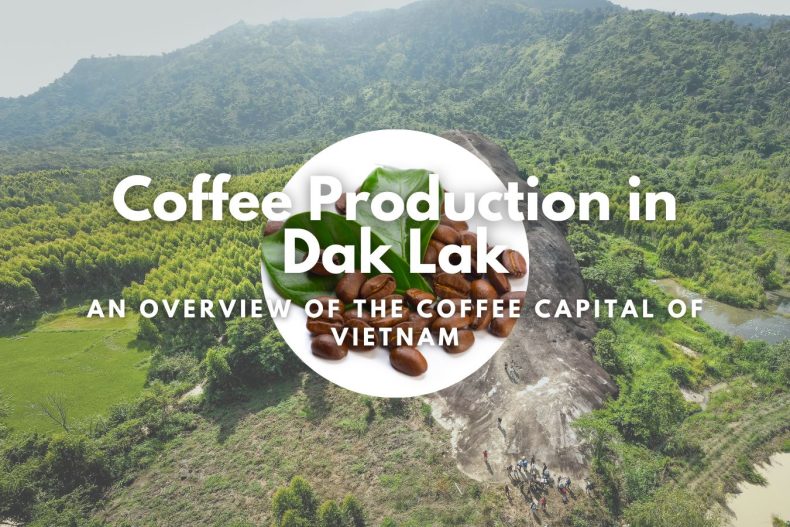
Sustainable Agricultural Cooperative: In Dak Lak Province, home to many ethnic minority communities (EMCs), cooperatives led by EMCs are pioneering the use of digital technology to improve their production and business capabilities, while also enhancing the livelihoods of their members. These are not just stories of simple success—they are powerful examples of the proactive spirit, adaptability, and immense potential of EMCs in the digital age.
Digital transformation is no longer an unfamiliar concept in today’s socio-economic development landscape. Its importance becomes even clearer when applied to unique communities such as the EMCs in Đắk Lắk.
Elevating the Coffee Bean
For many years, cooperatives have been a critical pillar in the agricultural economic development of EMC areas. However, accessing markets, managing production, and increasing product value have remained persistent challenges. This is where digital transformation offers a promising new direction.
A shining example is the Helena – Chư Kbô Sustainable Agricultural Cooperative in Krông Búk District, where many Ê Đê ethnic members participate in coffee production. Previously, the cooperative’s sales relied heavily on small traders, with prices fluctuating and market information often opaque. Since embracing digital technology, everything has changed dramatically. Cooperative members began by creating a simple website and using social media platforms like Zalo and Facebook to promote their products. Initially, there was some hesitation, but when people saw sales improve and prices increase, everyone was excited and motivated.

Beyond marketing, the Helena – Chư Kbô Cooperative has invested in digitizing production management processes—from tracking crop growth cycles using smartphone apps to keeping electronic agricultural logs. This enables the cooperative to maintain tighter quality control and transparent traceability, building consumer trust.
Moreover, using e-commerce platforms has helped the cooperative’s high-quality coffee reach more customers nationwide. Revenues have grown significantly, and members’ incomes have improved markedly. The story of the Helena – Chư Kbô Cooperative is not just about applying technology; it’s about a mindset shift from fragmented, small-scale production to integrated, market-oriented value chains.
Community-Based Tourism on Digital Platforms
Digital transformation is not limited to agriculture. It is also creating new opportunities for community-based tourism, a sector with significant potential in EMC areas.
In Đắk Lắk, the Jun Village Tourism Cooperative of the M’nông people in Lắk District has recognized the importance of digital technology in managing operations and interacting with tourists.
The cooperative has turned traditional longhouses, dugout canoes, and elephants into unique attractions, promoting them through online booking platforms.
Previously, tourists only learned about the cooperative through word-of-mouth or tour operators. Now, with just a few clicks, visitors can find them on popular booking sites. Cooperative members also use Zalo and Facebook to share their rich culture, cuisine, and immersive experiences.
Digitizing information about tourist sites, accommodations, local dishes, and cultural activities has allowed the cooperative to reach a wider audience. With support from the Provincial Cooperative Alliance and local authorities, members have been trained in communication skills, online booking management, and using apps to interact with tourists.
This has not only increased visitor numbers but also empowered the cooperative to manage pricing, scheduling, and service quality proactively. Importantly, direct interactions with tourists through digital platforms have given local residents more confidence, helping them refine communication and life skills while showcasing their cultural identity to a broader audience.
The Jun Village Tourism Cooperative story is a testament to how digital transformation can be a bridge—not only for economic growth but also for cultural preservation and promotion in EMC communities.

A Powerful Tool for Sustainable Development
Despite these benefits, the journey of digital transformation for EMC cooperatives in Dak Lak still faces many challenges. Limited IT infrastructure, gaps in digital skills, and language barriers are issues that need to be addressed. However, these cooperatives have shown remarkable determination and resilience.
For instance, the Ea Tu Fair Trade Agricultural and Service Cooperative (in Buon Ma Thuot City), with 90% of its members being E De, initially struggled with complex management software.
To overcome this, the cooperative sought help from NGOs and volunteer IT experts. Together, they implemented simple, user-friendly software tailored to the needs and capabilities of the EMC members. According to the cooperative’s management board, many initially didn’t know how to use smartphones, but with patient guidance, they quickly adapted. Most importantly, these apps are intuitive and easy to use—even those with limited literacy can navigate them.
In addition, local government support and initiatives from the Provincial Cooperative Alliance have played a crucial role. Training programs, financial aid, and telecom infrastructure development have all contributed to these cooperatives’ digital efforts. Favorable policies and a supportive legal environment have further strengthened their success.

A Vision for a Fairer, More Prosperous Future
Overall, EMC cooperatives in Đắk Lắk are proving that digital transformation is not just a trend—it is a vital tool for economic growth, improved livelihoods, and cultural preservation. These inspiring stories are not only about technology but also about blending local knowledge with modern solutions, community strength, and the support of local authorities for sustainable development.
Experts affirm that digital transformation in EMC communities is not solely about technology—it’s about people, empowerment, and building a more prosperous, equitable future.