Finding the right coffee exporter is about much more than securing a competitive price. A reliable supplier should consistently deliver quality, meet shipping schedules, provide complete export documentation, and support your business as it grows. With Vietnam being one of the world’s largest coffee-producing countries, buyers have countless sourcing options but not every exporter offers the same level of transparency, quality control, or long-term reliability. This guide outlines the key criteria, warning signs, and due diligence steps every importer should know before choosing a Vietnamese coffee export partner.
How to Choose a Reliable Vietnamese Coffee Exporter
Vietnam is one of the largest coffee producing countries in the world, supplying both Robusta and Arabica to roasters, distributors, and private label brands across dozens of markets. For importers, this scale creates opportunity, but it also creates noise. Finding a reliable Vietnamese coffee exporter among hundreds of trading companies, processing facilities, and intermediaries is not always straightforward.
Supplier selection is one of the most consequential decisions a coffee buyer makes. A wrong choice can mean inconsistent cup quality, missed shipping windows, or documentation errors that delay customs clearance. This article walks through the criteria, red flags, and due diligence steps that experienced buyers use to evaluate a Vietnamese coffee exporter before signing a contract.

Why Choosing the Right Coffee Exporter Matters
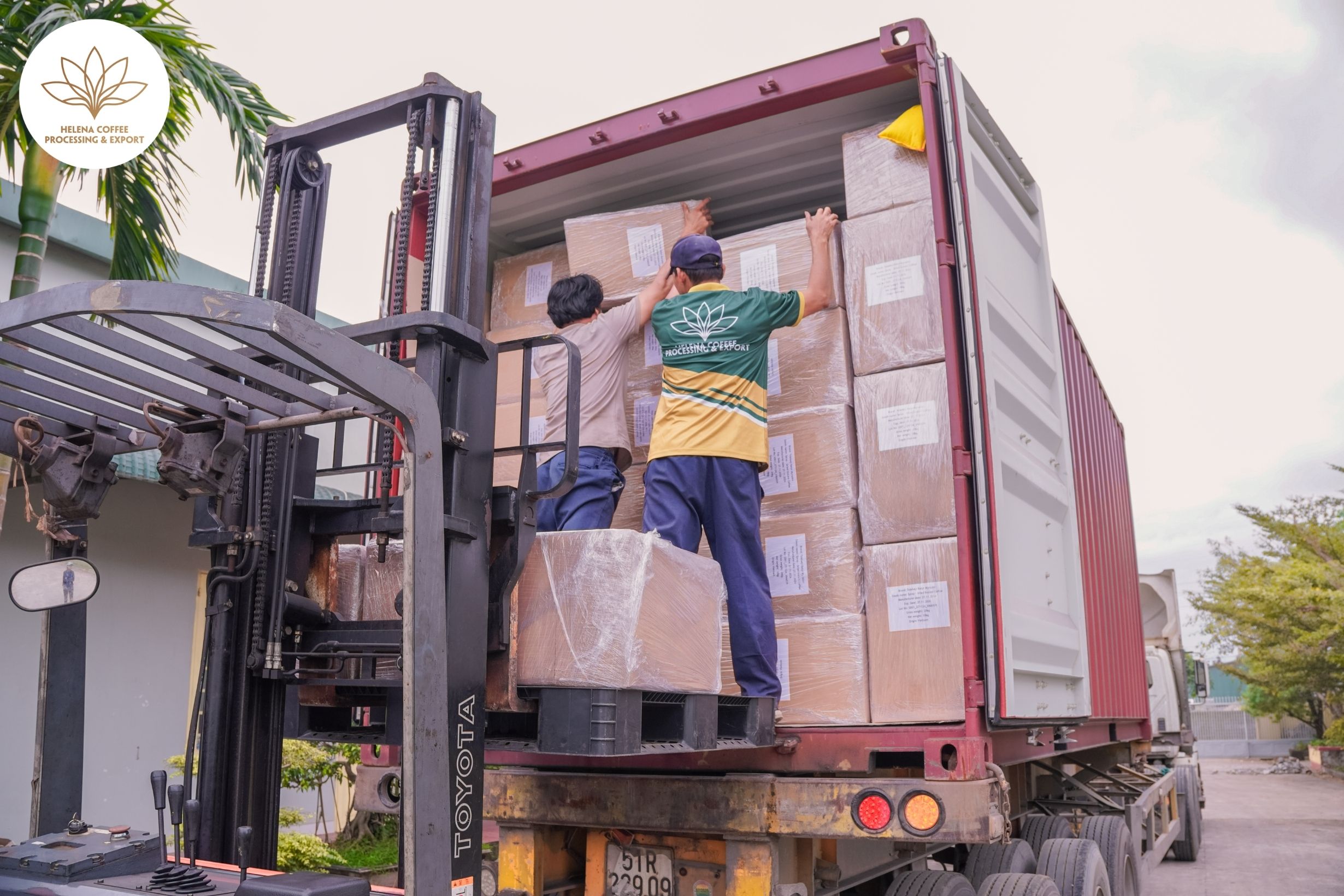
A coffee supplier is not just a vendor; it is an extension of your supply chain. When a Vietnam coffee exporter performs well, shipments arrive on schedule, quality stays consistent batch after batch, and paperwork is clean enough to clear customs without delay. When they don’t, the costs are rarely limited to the price of the beans.
Hidden costs of choosing the wrong supplier often show up later than expected. They can include rejected containers, blending inconsistencies that affect roast profiles, demurrage charges from delayed documentation, and damaged relationships with your own downstream customers. For a purchasing manager working on thin margins, these issues can outweigh any savings from a lower quoted price.
Key Criteria to Evaluate a Vietnamese Coffee Exporter
Experience
Years in the export business is a reasonable starting filter, but it should be paired with evidence of relevant experience. A supplier who has shipped consistently to your target market, whether that’s the EU, North America, or Northeast Asia, will already understand the documentation, packaging, and quality expectations specific to that region.
Quality Control
Coffee quality control in Vietnam varies significantly between exporters. Ask how green beans are sorted, what moisture and defect standards are applied, and whether cupping is done in-house or outsourced. A supplier who can walk you through their process step by step, rather than giving vague assurances, is generally more trustworthy.
Certifications
Certifications such as ISO, HACCP, Rainforest Alliance, or organic certification indicate that a supplier has been independently audited against defined standards. They are not proof of perfect quality, but they do show a willingness to be evaluated by a third party, which says something about transparency.
Production Capacity
A coffee supplier checklist should always include a capacity check. Ask about warehouse volume, processing throughput, and how the exporter handles demand spikes during peak harvest season. A supplier whose stated capacity doesn’t match their facility size is worth questioning further.
Traceability
Buyers increasingly need to know where their coffee comes from, down to the region or even the farm cooperative. A reliable Vietnam coffee exporter should be able to provide traceability documentation, including origin region, harvest period, and processing method (washed, natural, or honey).
Red Flags That Every Coffee Buyer Should Watch For
Certain warning signs tend to repeat across problematic sourcing relationships. Buyers conducting due diligence should watch for:
- Unrealistically low prices that sit well below market benchmarks without a clear explanation.
- Missing or inconsistent documents, such as phytosanitary certificates or certificates of origin.
- Poor or slow communication, especially around quality questions or shipping delays.
- Inconsistent samples, where pre-shipment samples don’t match the bulk cargo received.
- No verifiable references from other international buyers.
- Lack of transparency about farm origin, processing methods, or warehouse conditions.
Any one of these alone may have an innocent explanation. Several appearing together is a stronger signal to slow down and investigate further.
Due Diligence Checklist Before Placing an Order
Before committing to a coffee supplier checklist, importers should confirm the following:
- Business license and export registration verified
- Quality control process explained and documented
- Relevant certifications provided and checked for validity
- Pre-shipment sample matches agreed specification
- Export documentation reviewed, including certificate of origin and phytosanitary certificate
- References from existing international buyers contacted
- Production capacity matches order volume and timeline
- Payment terms and Incoterms clearly agreed in writing
- Traceability information available for the specific lot
This checklist won’t eliminate all risk, but it significantly reduces the chance of an unpleasant surprise after the container has shipped.
Request a Quotation from Helena Coffee Vietnam
If you’re evaluating suppliers for an upcoming order, Helena Coffee Vietnam can provide product specifications, samples, and a formal quotation based on your volume and quality requirements. [Contact our team] to start the conversation.

Building a Long-Term Partnership with Your Supplier
Sourcing decisions work best when treated as the start of a relationship rather than a single transaction. Open communication, especially around harvest timing, pricing shifts, and quality feedback, tends to prevent the kinds of misunderstandings that derail one-off purchases.
Trust is built incrementally. A supplier who proactively flags a quality issue before shipment, rather than waiting for the buyer to discover it, demonstrates the kind of transparency that supports a long-term partnership. Consistency over several orders, not just one strong sample, is what ultimately separates a reliable coffee import from Vietnam partner from a short-term vendor.
Why Helena Coffee Vietnam
Helena Coffee Vietnam works with international buyers across green coffee beans and instant coffee, including OEM and private label production. Our quality control process covers sorting, moisture testing, and cupping prior to shipment, and our export documentation is prepared in line with destination market requirements.
We hold international certifications relevant to food safety and export compliance, and we work with importers who are building long-term sourcing relationships rather than one-time purchases. We don’t position ourselves as the cheapest option in the market; we focus on consistency, documentation accuracy, and clear communication throughout the order cycle.
Conclusion
Choosing a reliable Vietnamese coffee exporter requires looking beyond the quoted price per kilogram. Experience, quality control practices, certifications, production capacity, and traceability all factor into whether a supplier will perform consistently over multiple orders. Watching for red flags early, and working through a structured due diligence checklist, can save significant time and cost later in the relationship.
👉 Visit www.helenacoffee.vn or Info@helenacoffee.vn to explore our products and request a direct quote today!