For millions around the world, coffee is more than just a morning beverage—it’s a daily ritual, a moment of comfort, and a vital boost of energy. But as research continues to uncover new insights into the health impacts of our favorite foods and drinks, one surprising fact has emerged: how you brew your coffee could significantly affect your cholesterol levels.
New findings published in the journal Nutrition, Metabolism & Cardiovascular Diseases and supported by long-term studies from around the globe show that certain brewing methods increase the presence of compounds that raise LDL (low-density lipoprotein) cholesterol, commonly known as “bad cholesterol.”
If you’re someone who drinks coffee daily, understanding this connection could help you make small adjustments with big health benefits—without having to give up your beloved cup of joe.
The Science: Diterpenes and Their Dual Role
Coffee naturally contains compounds called diterpenes, primarily cafestol and kahweol, which are found in the coffee bean oil. These compounds are at the center of the coffee-cholesterol debate.
How They Affect Cholesterol
Scientific studies have shown that cafestol and kahweol can elevate LDL cholesterol levels, potentially increasing the risk of cardiovascular disease if consumed in high amounts over time. They do this by inhibiting the body’s natural processes for breaking down cholesterol, leading to its accumulation in the blood.
But It’s Not All Bad News
Interestingly, diterpenes also offer potential health benefits:
- Anti-inflammatory effects
- Antioxidant properties
- Possible liver-protective roles
- Potential anti-cancer properties

So while these compounds can be harmful in excess for people with high cholesterol or heart conditions, they also offer therapeutic value, particularly in moderate, well-managed intake.
Brewing Methods and Their Cholesterol Impact
Here’s where it gets practical: the amount of diterpenes in your coffee depends heavily on how it’s brewed.
High-Diterpene Brewing Methods (Unfiltered)
These methods allow coffee oils (and diterpenes) to pass directly into your cup:
- French Press
- Boiled Coffee (Turkish, Scandinavian)
- Espresso
- Metal-filtered brewers (common in workplaces)
Low-Diterpene Brewing Methods (Filtered)
These methods trap most diterpenes in paper filters, producing coffee with much lower cholesterol-raising potential:
- Drip Coffee Makers
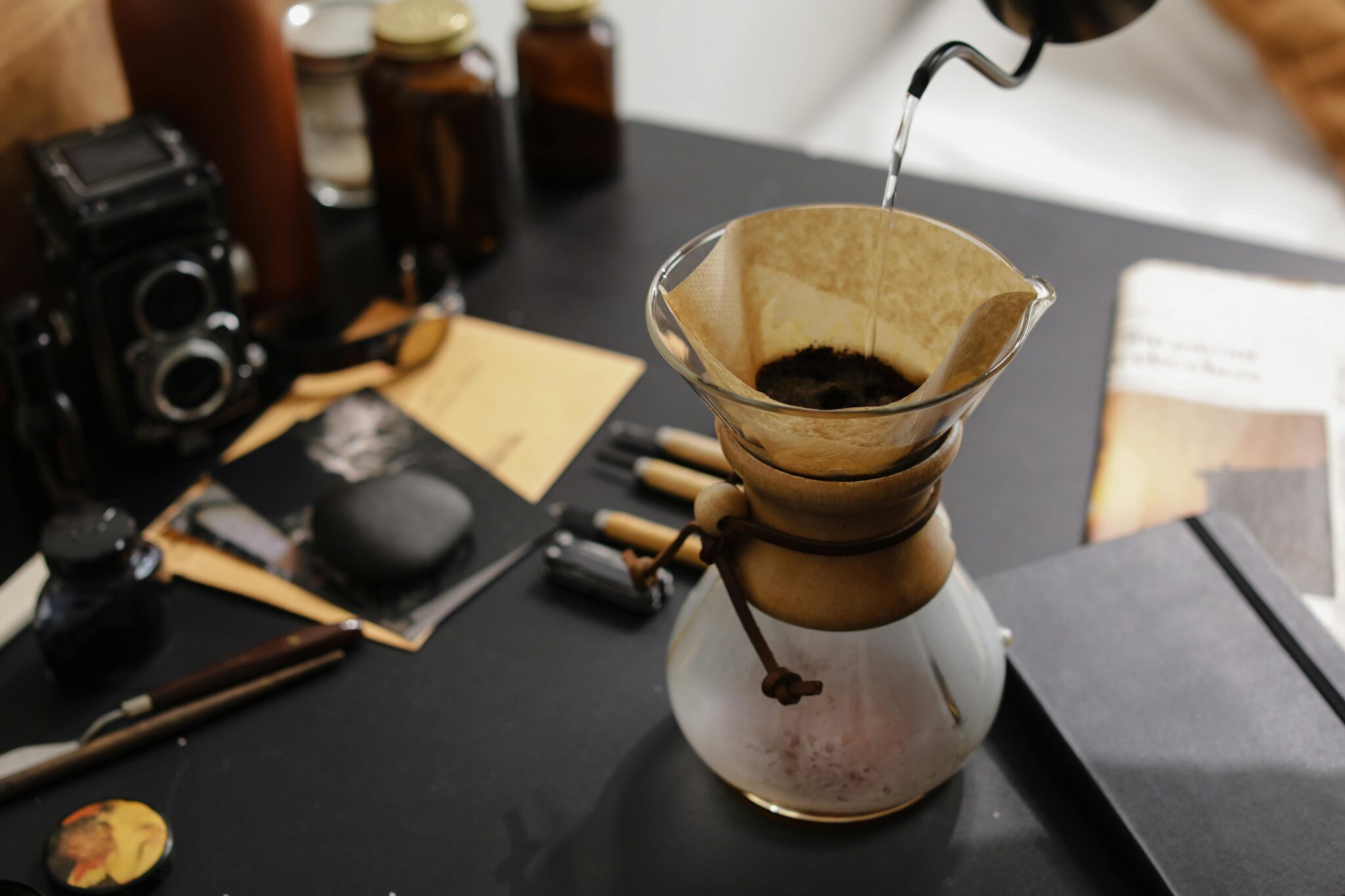
- Pour-Over (V60, Chemex)
- Single-serve paper pod machines

What About Instant Coffee?
Instant coffee contains almost no diterpenes, as the industrial processing eliminates coffee oils. It’s considered one of the safest options for those managing cholesterol.
Recent Research Supporting These Findings
1. Uppsala University Study (2025)
This study found that workplace coffee machines, which typically use metal filters or no filters, produce coffee with significantly higher levels of diterpenes than home-use paper filter brewers.
2. 20-Year Norwegian Longitudinal Study
The long-term study linked unfiltered coffee consumption to increased cardiovascular mortality, particularly among those who regularly consumed boiled coffee or French press.
3. Global Comparative Brewing Analysis
Researchers compared diterpene levels across brewing methods:
- Boiled coffee contained the highest diterpene content.
- Espresso came next.
- Paper-filtered drip coffee was found to be the healthiest option for cholesterol control.
What This Means for Your Health
If you’re concerned about your cholesterol or cardiovascular risk, you don’t need to give up coffee. Instead, opt for brewing methods that reduce your exposure to harmful compounds while preserving flavor, caffeine, and beneficial antioxidants.
Here’s a quick summary:
| Brewing Method | Diterpene Level | Cholesterol Impact |
| Boiled (Turkish, etc.) | Very High | Strongly Increases |
| French Press | High | Increases |
| Espresso | Moderate | Mild Impact |
| Metal Filter Machines | High | Increases |
| Paper Filter Drip | Low | Neutral |
| Pour-Over | Very Low | Minimal |
| Instant Coffee | Negligible | Safe |
Final Thoughts: Small Choices, Big Difference
Your daily cup of coffee doesn’t have to be a guilty pleasure. By simply switching your brewing method—say from a French press to a pour-over—you can significantly reduce your intake of cholesterol-raising compounds while still enjoying your favorite beverage.
Remember, coffee isn’t the problem—it’s how you brew it that matters.
So the next time you reach for a cup, think about the process behind it. That small detail may just be one of the simplest ways to support your heart health without sacrificing flavor.
Choose Smarter, Brew Better – With Helena Coffee Vietnam
At Helena Coffee Vietnam, we understand that every detail in your coffee matters—from origin and processing to how it’s brewed. That’s why we offer a curated selection of high-quality Arabica and Robusta beans, known for their clean profile and clarity in the cup.
Whether you’re a roaster, retailer, or coffee lover seeking specialty-grade green beans, Helena Coffee provides consistent quality, expert support, and flexible solutions for both wholesale and OEM needs.
👉 Ready to take your coffee to the next level?
📩 Contact us today for samples, price lists, or to discuss custom roasting and sourcing solutions.
🌐 Visit www.helenacoffee.vn | 📧 info@helenacoffee.vn
📱 Follow us on Instagram & TikTok: @helenacoffeevn
Helena Coffee – From Vietnam to the world, one meaningful cup at a time.