

Arabica Coffee Fully Washed Grade 2 – Commercial Arabica from Lam Dong
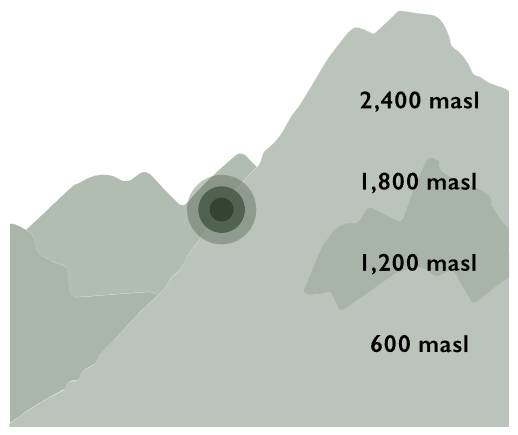
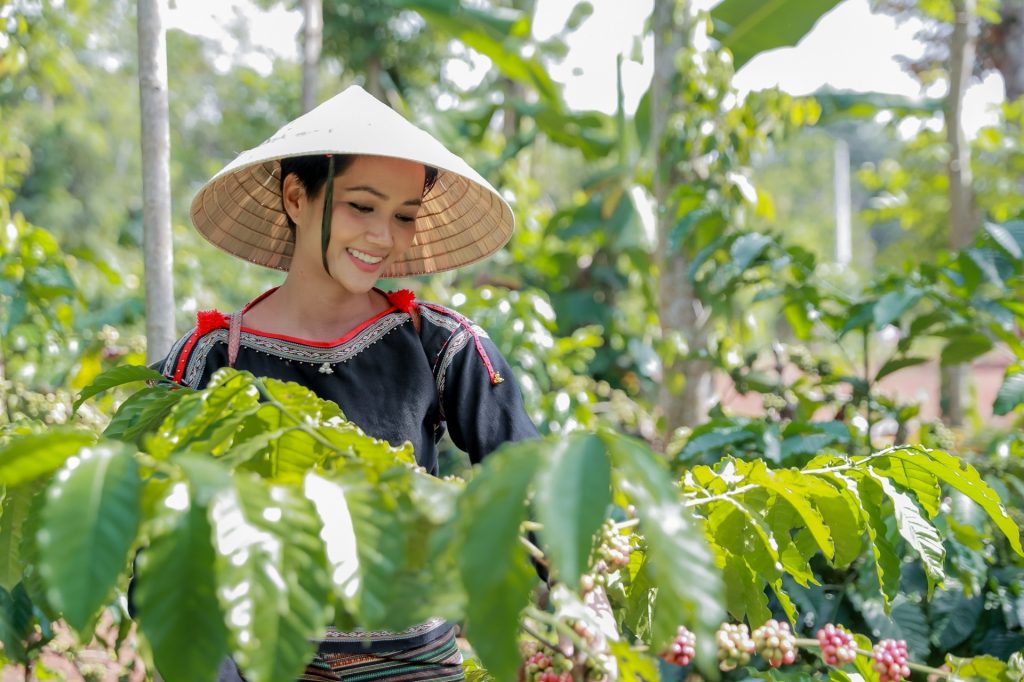
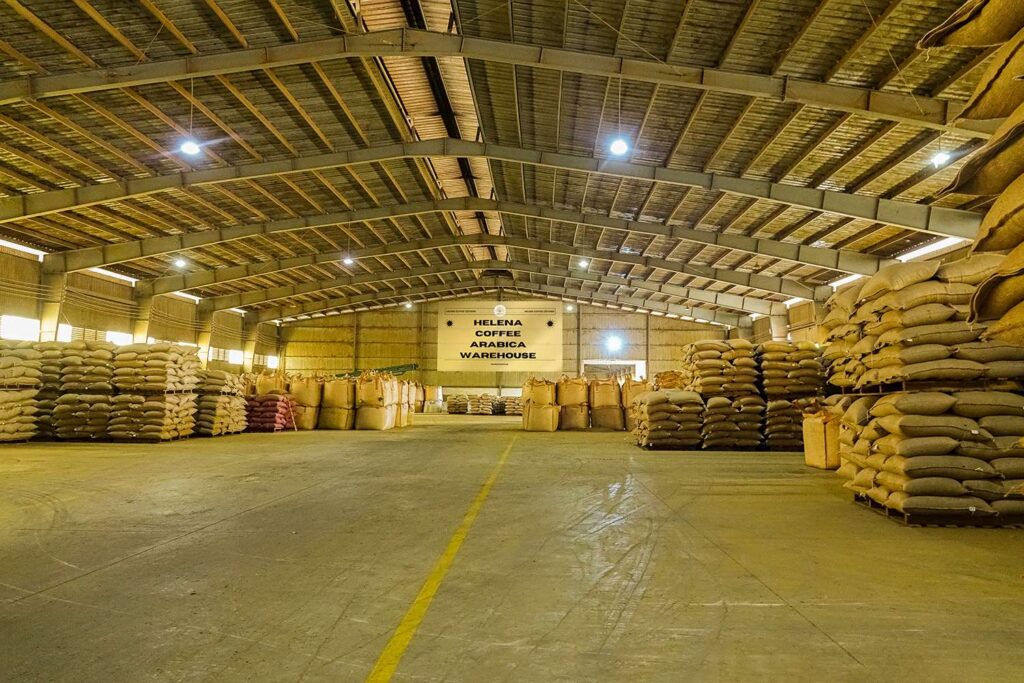
Arabica Coffee Fully Washed Grade 2 is the value grade of Helena Coffee Vietnam’s washed Arabica: coffee grown above 1,150 m in Lam Dong, fully washed and screened to S18 and S16, with 12.5% moisture and up to 5% black and 2% broken beans. With an annual capacity of 6,000 tons, it gives roasters and traders a reliable, affordable Arabica for large-volume blends.
Where Grade 2 fits in your blend
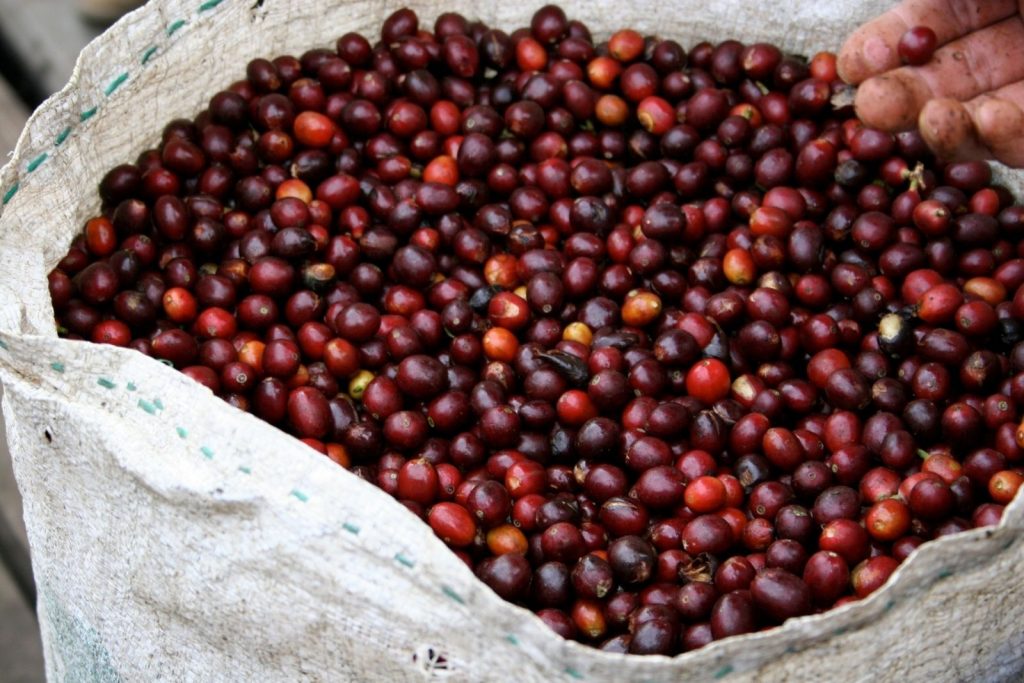
Most commercial blends do not need a specialty Arabica; they need a clean, consistent Arabica at the right price. The fully washed process gives this lot the clean cup of washed coffee, while the Grade 2 tolerance for black and broken beans keeps the price close to the market. Cherries are picked at 90–92% ripeness, pulped, fermented, washed and dried before hulling and screening. For global Arabica supply and price data, see the International Coffee Organization.
Arabica Coffee Fully Washed Grade 2 is especially popular with roasters producing ground coffee for supermarkets, coffee for the food service sector, and capsules where a dependable flavour at a competitive cost is more important than a high cupping score.
Specifications
| Origin | Lam Dong, Vietnam |
|---|---|
| Species | Arabica (Coffea arabica) |
| Elevation | Above 1,150 m |
| Processing | Fully washed |
| Grade | Grade 2 commercial |
| Ripe rate | 90–92% |
| Bean size | S18, S16 – 90% on sieve |
| Moisture | 12.5% max |
| Black beans | 5% max |
| Broken beans | 2% max |
| Capacity | 6,000 tons/year |
| Packaging | 60 kg jute bags; jumbo bags on request |
Cup profile of Arabica Coffee Fully Washed Grade 2
Expect a clean, medium-bodied cup with mild acidity, nutty and chocolate notes and a smooth finish. Arabica Coffee Fully Washed Grade 2 performs best at medium to medium-dark roasts and blends easily with Brazilian naturals or Vietnamese robusta. In a typical 70/30 Arabica-robusta blend it provides the aroma and smoothness, while the robusta brings body and crema.
If you need a cleaner appearance for whole-bean retail packs, step up to our Grade 1 wet processed Arabica; for ground and blended products, this commercial Arabica coffee gives you the best value per kilo.

Wholesale terms
- MOQ: 1 × 20 ft container (320 bags × 60 kg ≈ 19.2 MT).
- Packaging: 60 kg jute bags; 1,000 kg jumbo bags on request.
- Pricing: FOB Ho Chi Minh City, CFR or CIF, quoted against the New York Arabica market and fixed by signed PI.
- Payment: 30% T/T deposit and 70% balance by T/T, or irrevocable L/C at sight.
- Lead time: 2–3 weeks from PI confirmation.
- Documents: commercial invoice, packing list, bill of lading, Certificate of Origin, ICO certificate, phytosanitary and fumigation certificates.

Frequently asked questions
What does Grade 2 mean for Arabica?
Grade 2 allows a higher share of black and broken beans than Grade 1, in this lot up to 5% black and 2% broken. The coffee is still fully washed and screened; the grade mainly affects appearance and price.
How much can you supply?
Our annual capacity for this lot is about 6,000 tons, so we can support monthly container programmes.
Is Arabica Coffee Fully Washed Grade 2 good for espresso?
Yes, as part of a blend. Combined with robusta or a Brazilian natural, it gives a smooth, balanced espresso at a competitive cost.
Do you offer a cleaner grade of Arabica coffee fully washed?
Yes. Our wet processed Arabica Grade 1 from Cau Dat is sorted to 0.1% black and broken beans and suits whole-bean retail packs and single-origin roasts.
Related products from Helena Coffee
You may also be interested in Wet processed Arabica Grade 1, Arabica Grade 1 S18 washed, Arabica natural processed S18/S16, or browse our full range of Vietnamese Arabica green coffee beans.
Get a competitive offer on Arabica Coffee Fully Washed Grade 2 for your next blend. Contact Helena Coffee at info@helenacoffee.vn, WhatsApp +84 789 818 828, or via our contact page.