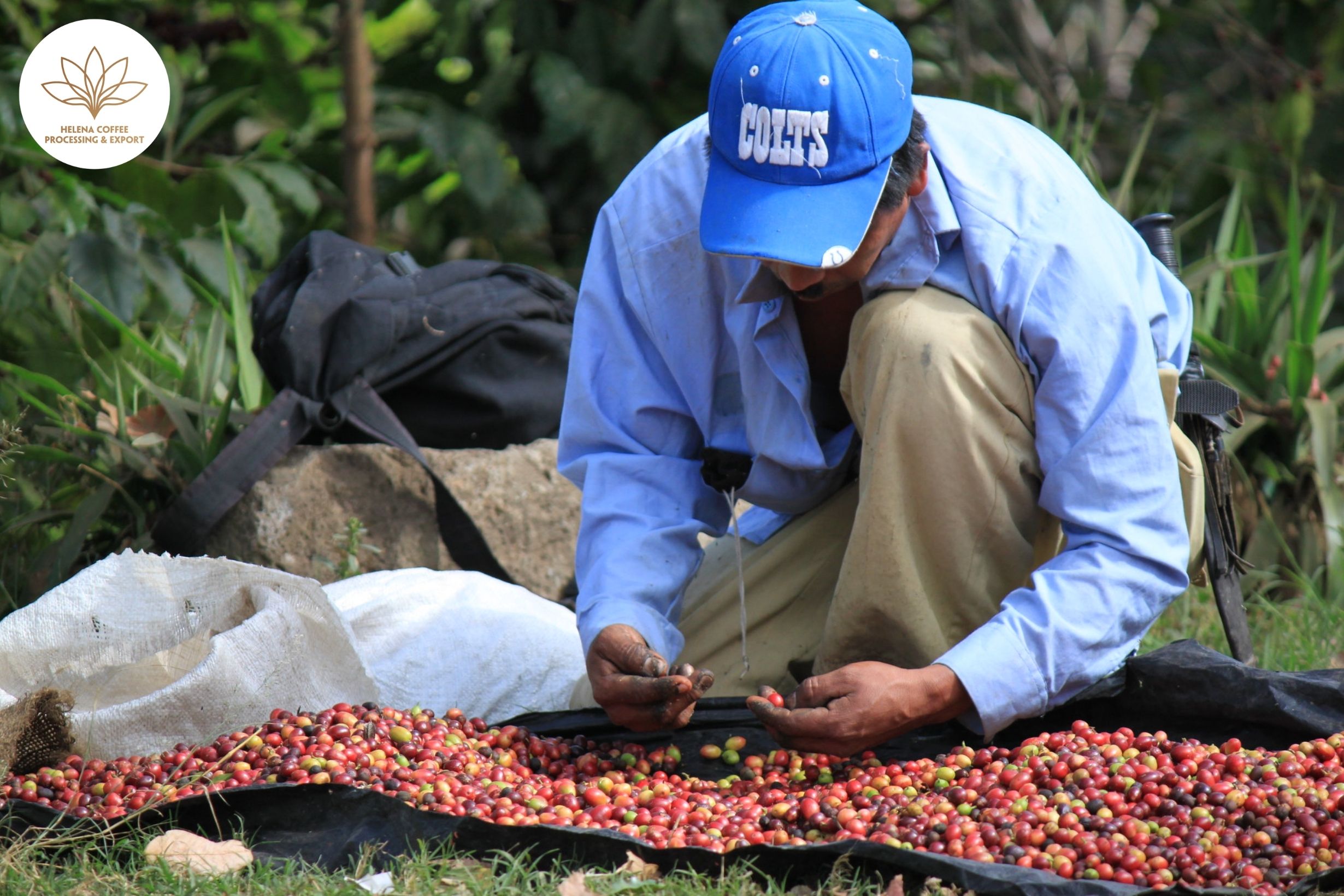
In the coffee industry, the word “defect” often seems straightforward. A black bean, a sour bean, or a moldy bean is generally considered undesirable. Green coffee grading systems classify these defects according to internationally recognized standards, allowing producers, traders, and roasters to communicate quality using a common language.
However, coffee quality is not determined by physical appearance alone. As specialty coffee evolves, a growing number of professionals recognize that some green coffee defects exist in a gray area where chemistry, sensory science, and cultural preference intersect. A flavor considered unacceptable in one market may be welcomed or even celebrated in another. Likewise, certain fermentation characteristics once rejected as processing failures are now intentionally developed to create distinctive cup profiles.
This raises an important question: Are all green coffee defects truly defects, or are some simply misunderstood expressions of coffee?
Green Coffee Defects Are Both Scientific and Cultural
Physical defects are measurable. Scientists can analyze volatile compounds, moisture content, density, microbial activity, and chemical composition using laboratory techniques. Buyers can count defective beans according to international grading standards.
Yet sensory evaluation introduces another variable:
Human perception. Coffee drinkers from different regions develop different expectations based on history, tradition, and local consumption habits. What one market describes as a defect may represent familiarity in another. Understanding green coffee defects therefore requires looking beyond physical grading into the science of flavor perception.
The Rio Defect: One of Coffee’s Most Controversial Flavors
Perhaps no example illustrates this better than the Rio defect. Traditionally associated with certain Brazilian coffees, Rio flavor is commonly described as:

- Medicinal
- Phenolic
- Iodine-like
- Musty
- Cellar-like
Scientific studies have linked this characteristic primarily to 2,4,6-trichloroanisole (TCA), an aromatic compound that can develop through microbial transformation of chlorophenols during post-harvest handling and storage.
The remarkable aspect of TCA is its extremely low sensory threshold. Even minute concentrations can suppress desirable aromas while introducing unpleasant medicinal notes. For many specialty buyers, Rio flavor is considered a serious defect. Yet historically, some traditional coffee markets became accustomed to this flavor profile and accepted it as part of their regional coffee identity.
This demonstrates an important distinction: Science identifies the compound. Culture determines whether consumers accept it.
Potato Taste Defect: When One Bean Can Ruin an Entire Cup
Unlike many other green coffee defects, potato taste does not require multiple defective beans to influence flavor. A single contaminated bean may dominate an entire brew.
Most commonly associated with East African coffees, potato taste presents aromas resembling:
- Raw potato
- Earth
- Vegetable skin
Research suggests the defect develops through interactions between insect damage and microbial activity, producing compounds known as methoxypyrazines. These compounds possess exceptionally low odor thresholds. As a result, even one defective bean hidden within a high-quality coffee lot can negatively affect an entire batch. This explains why potato defect remains one of the coffee industry’s most economically significant quality challenges.
When Fermentation Becomes Innovation
Only a decade ago, many fruity fermentation flavors were considered processing mistakes. Today, controlled fermentation has become one of specialty coffee’s most exciting innovations.
Coffee producers intentionally manipulate:
- Fermentation duration
- Oxygen exposure
- Yeast cultures
- Microbial populations
- Temperature
These controlled processes generate complex flavor compounds that create tasting notes such as:
- Strawberry
- Tropical fruit
- Wine
- Berry
- Floral aromas
Ironically, some of these characteristics closely resemble flavors that older grading systems once associated with defective processing. The difference is not necessarily the flavor itself. The difference is control. Controlled fermentation creates repeatable, stable, and safe flavor development. Uncontrolled fermentation creates inconsistency.
Not Every Unusual Flavor Is a Defect
One of the biggest misconceptions in coffee evaluation is assuming unfamiliar equals defective.
Consumers today actively seek coffees with:
- Exotic fruit notes
- Bright acidity
- Wine-like character
- Funky fermentation
- Experimental processing
These coffees challenge traditional sensory expectations. Rather than representing poor quality, they often reflect advanced processing techniques developed intentionally by skilled producers. This shift illustrates how coffee quality continues to evolve alongside consumer preferences.
Why Roasting Cannot Fix Green Coffee Defects
Some believe darker roasting can eliminate green coffee defects. Unfortunately, roasting does not repair damaged beans. Instead, roasting translates existing chemistry into new aroma compounds.
For example:
Immature beans contain fewer sugars. Sour beans contain altered fermentation metabolites. Black beans possess degraded cellular structures. Fungus-damaged beans already carry chemical changes before entering the roaster. Roasting may hide certain defects beneath darker flavors, but it cannot restore the original chemistry of the bean. This is why professional roasters emphasize sourcing high-quality green coffee rather than relying on roast profiles to compensate for poor raw material.
Coffee Chemistry Explains Why Defects Taste Different
Every coffee bean contains thousands of chemical compounds. When defects develop, these compounds change.
Researchers studying defective coffee have identified differences in:
- Pyrazines
- Organic acids
- Alcohols
- Sulfur compounds
- Aldehydes
- Lactones
These molecules influence:
- Aroma
- Sweetness
- Bitterness
- Body
- Acidity
- Aftertaste
During roasting, the Maillard reaction transforms these altered compounds into entirely different flavor expressions. This explains why green coffee defects often become even more noticeable after roasting.

Technology Is Changing Defect Detection
Traditional green coffee grading relies heavily on trained human inspectors. While visual inspection remains essential, modern technology is transforming quality control. Today’s coffee industry increasingly employs:
Optical Color Sorting
High-speed cameras identify defective beans based on color differences.
Density Separation
Advanced equipment separates immature and damaged beans according to density.
Near-Infrared and Hyperspectral Imaging
These systems analyze internal bean characteristics invisible to the human eye.
Artificial Intelligence
Machine learning algorithms can classify defective beans with increasing accuracy by combining visual, spectral, and density data.
Laboratory Analysis
Techniques such as gas chromatography-mass spectrometry (GC-MS) allow researchers to identify volatile compounds responsible for specific defects, including Rio flavor and potato taste.
As these technologies become more accessible, green coffee grading will likely become faster, more objective, and more consistent.
The Future of Green Coffee Quality
The coffee industry is gradually moving beyond simply counting defective beans.
Future quality evaluation will combine:
- Physical grading
- Moisture analysis
- Water activity
- Sensory evaluation
- Chemical profiling
- Artificial intelligence
- Traceability
Rather than asking only “How many defects are present?”, buyers increasingly ask:
- What caused them?
- Are they stable?
- Are they safe?
- How do they affect roasting?
- Will consumers notice them?
This more holistic approach creates better communication between producers, exporters, roasters, and consumers.
Conclusion
Green coffee defects are more than physical imperfections—they reflect the biological, chemical, and cultural journey of coffee from farm to cup. While some defects clearly reduce quality and compromise safety, others challenge traditional assumptions about what great coffee should taste like. As specialty coffee continues to evolve, understanding the science behind defects, the role of sensory perception, and the influence of cultural preferences becomes essential for making informed sourcing and roasting decisions. Ultimately, quality is not defined solely by what is removed from a coffee lot, but by understanding the story every bean has to tell.
Frequently Asked Questions (FAQs)
Are all green coffee defects considered bad?
Not always. While defects such as mold contamination or potato taste are widely recognized as undesirable, some fermentation-related characteristics may be appreciated in certain specialty coffee markets.
What is the Rio defect in coffee?
The Rio defect is a medicinal, phenolic off-flavor commonly associated with 2,4,6-trichloroanisole (TCA) and is traditionally found in some Brazilian coffees.
Can roasting remove green coffee defects?
No. Roasting changes the bean’s chemistry but cannot reverse defects that developed during harvesting, processing, drying, or storage.
Choose Quality with Helena Coffee
At Helena Coffee, we understand that every green coffee bean tells a story. That’s why our quality control extends beyond physical grading to include careful evaluation of processing methods, moisture levels, bean consistency, and cup performance. By working closely with trusted farmers across Vietnam, we supply exporters, roasters, and coffee brands with premium Arabica and Robusta green coffee that delivers consistency, traceability, and exceptional quality in every shipment. Whether you’re sourcing specialty microlots or commercial-grade coffee, Helena Coffee is committed to helping you build products your customers can trust.
👉 Visit www.helenacoffee.vn or Info@helenacoffee.vn to explore our products and request a direct quote today!